


Introduction
The purpose of this article is to guide property owners through the process of creating winning pressure‑washing and exterior‑cleaning bids, emphasizing the importance of a clear, detailed scope of work. Understanding key concepts—such as defining service areas, selecting eco‑friendly methods, and outlining pricing—helps ensure compliance, protect property value, and boost curb appeal. It also highlights documentation practices and quick e‑signature acceptance to speed decisions process.
The Five‑Step Bidding Process for Exterior Cleaning
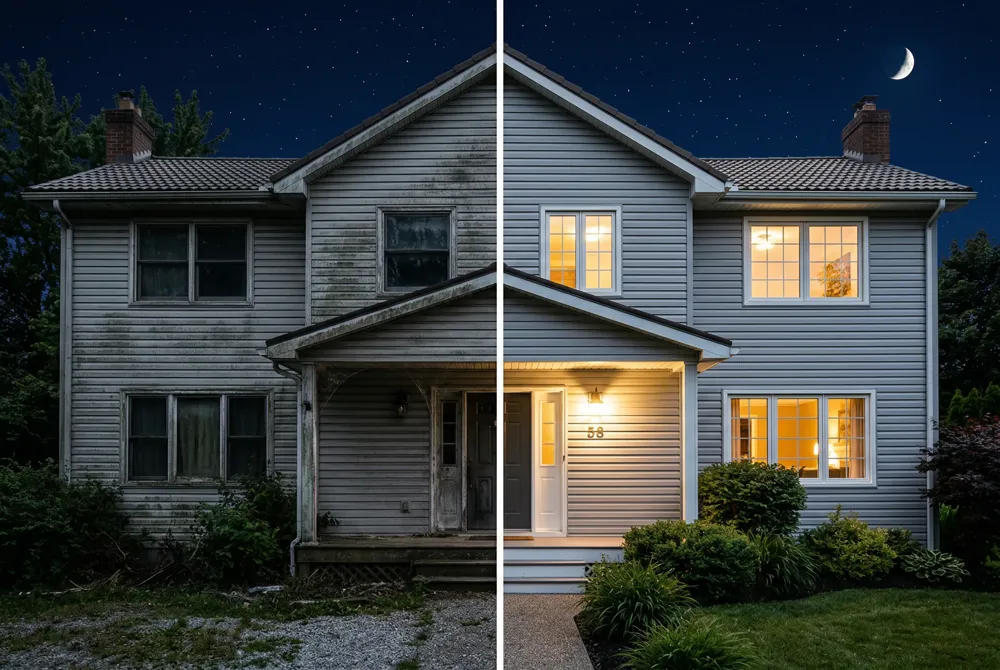
In Santa Barbara County, winning a commercial cleaning contract begins with spotting the right opportunity. Target property managers, HOA boards, municipal agencies, and commercial owners who list pressure‑washing, roof‑and‑gutter cleaning, window washing, or soft‑washing in their RFPs. Once a lead is identified, schedule an on‑site walk‑through. Measure square footage, note façade materials (stucco, metal, wood), assess high‑traffic zones, and record any environmental constraints such as water‑runoff restrictions or historic‑preservation rules. Use this data to calculate costs accurately: factor labor rates, equipment depreciation, biodegradable cleaning agents, permits, and a modest profit margin (typically 15‑30%). Draft a professional proposal that mirrors the nine‑section format used in top‑tier cleaning bids—cover page, company overview, detailed scope of work, schedule, pricing breakdown, safety and eco‑compliance statements, insurance proof, warranty, and a clear next‑step with an e‑signature link. Submit the bid before the deadline, then follow up within 2‑3 business days to answer questions and reinforce your local expertise and value‑added services. This structured five‑step approach maximizes close rates while protecting both client and contractor.
Crafting a Winning Proposal That Stands Out
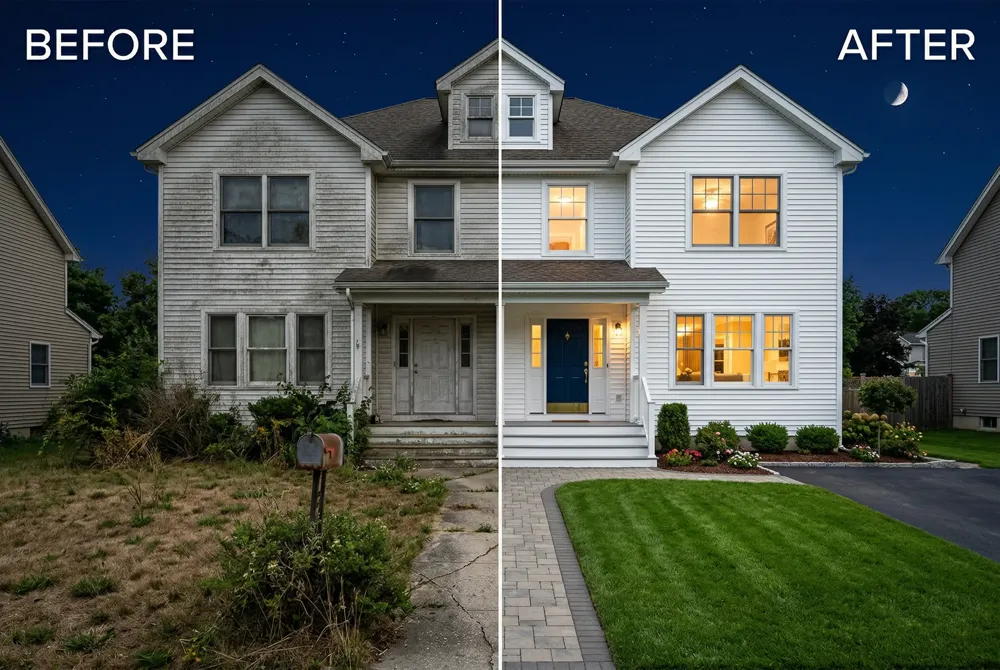
Understanding the client’s RFP
Begin with a thorough review of the RFP and a site walk‑through to note local challenges such as salt‑air corrosion, high‑traffic zones, and California eco‑friendly cleaning mandates. Capture square footage, surface types, and any specialty areas (roof, gutters, historic façades).
Itemized scope of work
List each surface, the cleaning method (high‑pressure, soft‑wash, biodegradable detergent), frequency, and any pre‑ or post‑treatment steps. Include a line‑item table for labor, equipment depreciation, water usage, and chemicals. meeting transparency and prevents scope creep.
Visual proof and case studies
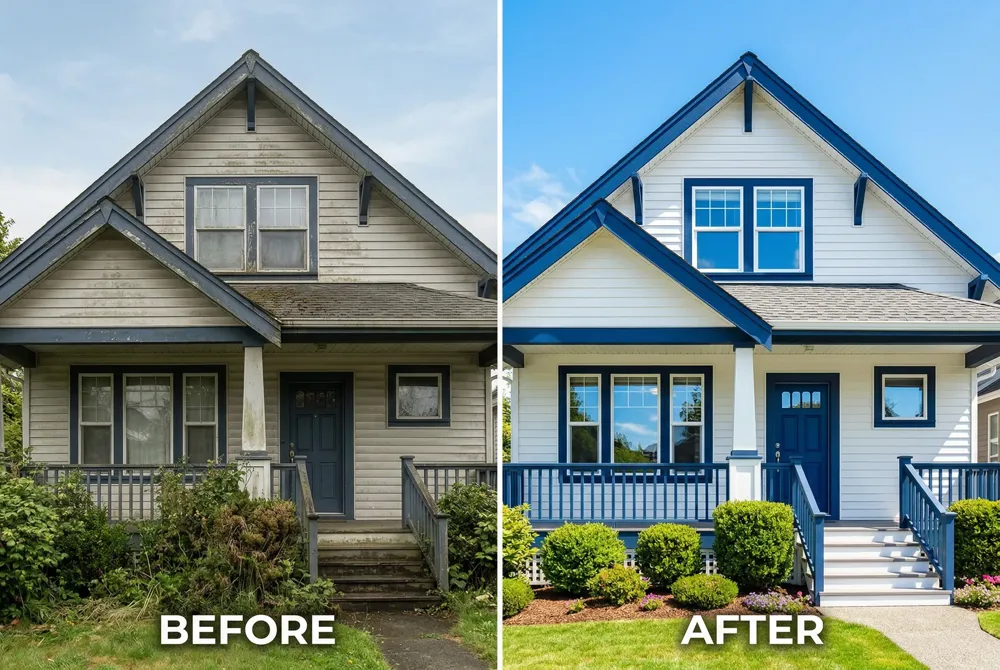
Attach before‑and‑after photos from nearby Goleta or Santa Barbara projects and a brief case study showing measurable outcomes (e.g., 30 % reduction in tenant complaints after a new schedule).
Tiered service packages
Offer Essential, Professional, and Premium tiers with clear price per‑square‑foot ranges ($0.10‑$0.30 for basic, $0.20‑$0.45 for premium) and optional add‑ons like graffiti removal or sealants.
Warranty and maintenance schedule
Provide a 30‑90‑day workmanship guarantee and a recurring maintenance calendar (quarterly soft‑wash, semi‑annual pressure wash) to extend façade life and curb appeal.
Prompt follow‑up and e‑signature
Submit the bid in the exact RFP format, include an e‑signature link, and follow up within 48 hours to address questions and reinforce commitment to the community’s property preservation.
Pricing Strategies and Typical Rates in Santa Barbara County
Santa Barbara owners have several pricing options for commercial exterior cleaning.
Hourly labor rates typically run $30‑$75 per hour, equating to $0.07‑$0.20 per square foot of surface cleaned. Higher‑end projects such as post‑construction or specialty surface cleaning push rates toward the top of the range.
Per‑square‑foot models are common for pressure‑washing: $0.10‑$0.35 per ft² for light jobs and $0.40‑$1.00 per ft² for heavy grease, graffiti, or stubborn stains. Small flat‑fee jobs (under 2,000 ft²) cost $200‑$500; larger sites may be $600‑$3,000+.
Specialty services like commercial kitchen hood cleaning are billed $700‑$1,500 per service, with discounts of 10‑15 % for quarterly or semi‑annual contracts. Roof soft‑wash and gutter cleaning follow the per‑square‑foot pricing but may include extra equipment fees.
Contract discounts and recurring packages often reduce rates by 10‑20 % for monthly or quarterly service, encouraging regular maintenance and compliance with local regulations.
Regional benchmarks show Santa Barbara averages of $30‑$75 per hour or $0.07‑$0.20 per ft², with typical monthly contracts ranging $100‑$600.
FAQs:
- Kitchen hood cleaning: $700‑$1,500 per service, lower for small cafés, higher for complex ducts.
- Typical hourly rates: $30‑$75 per hour, mid‑range $45‑$55.
- California pressure‑washing: $0.10‑$0.35/ft² light, $0.40‑$1.00/ft² intensive.
- Pricing a local service: choose hourly, per‑ft², or flat fee; calculate labor, overhead, profit margin (10‑30 %).
- Average cost: $30‑$75/hr or $0.07‑$0.20/ft², about $0.10/ft² for recurring packages.
Writing a Clear Scope of Work (SOW) for Cleaning Services
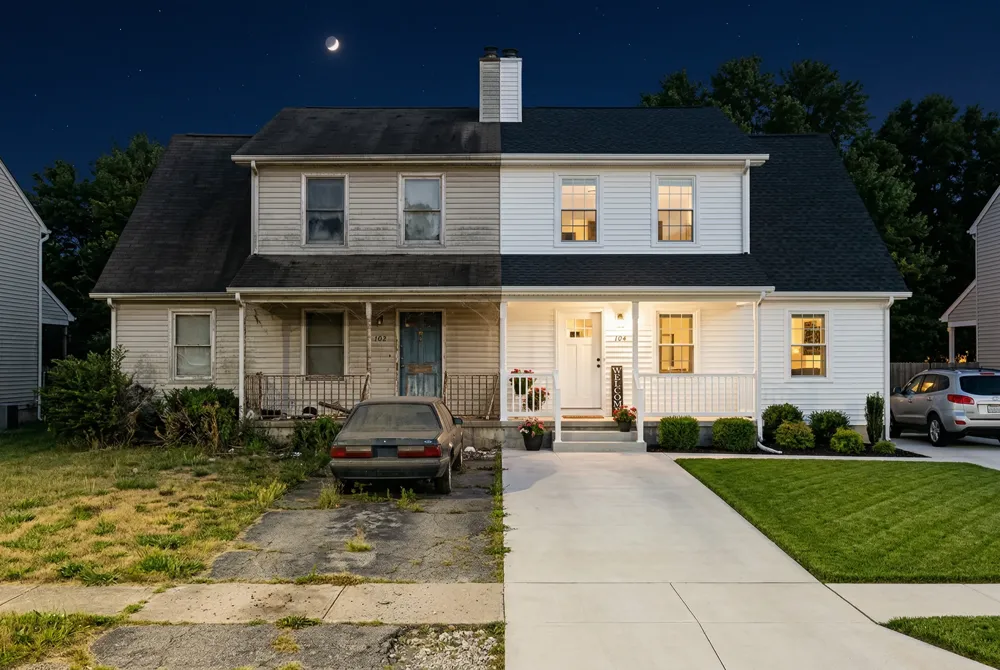
Writing a clear Scope of Work (SOW) begins with client and contractor identification—list the property owner’s name, address, and contact information, then your company’s legal name, license number, and insurance limits. Next, provide a detailed area list that enumerates every exterior surface to be cleaned: building walls, roof membranes, gutters, windows, walkways, parking lots, and any specialty zones such as loading docks or solar panels.
For each surface, specify the service frequency and method. Example: pressure‑wash concrete sidewalks quarterly, soft‑wash stucco façades semi‑annually, and low‑pressure rinse roofs annually using biodegradable detergents. Include the materials, equipment, and eco‑friendly chemicals—e.g., truck‑mounted low‑pressure pumps, plant‑based saponifiers, and water‑recycling systems that meet California EPA standards.
Address safety, compliance, and acceptance criteria by citing OSHA fall‑protection requirements for roof work, local storm‑water runoff regulations, and a post‑clean walkthrough checklist that must be signed off by the client.
Outline the pricing structure and payment schedule: break down costs per square foot for each service, add line items for travel, permits, and waste disposal, and state a 20 % deposit with the balance due net‑30 after acceptance.
How do I write a scope of work for cleaning services? Follow the steps above—identify parties, list every area, set frequency and method, detail eco‑friendly supplies, embed safety and compliance language, and finish with transparent pricing and a signature block. This organized SOW sets expectations, protects the property investment, and ensures high‑quality results across Santa Barbara County.
What are the 5 steps in the bidding process for exterior cleaning services? 1. Target the right opportunities (property managers, HOAs, municipalities). 2. Conduct a thorough site assessment to capture square footage, surface types, and access constraints. 3. Calculate accurate pricing that includes labor, equipment depreciation, eco‑friendly chemicals, permits, and insurance. 4. Draft a professional proposal that clearly presents the scope, schedule, safety measures, and warranty. 5. Submit on time, then follow up with the decision‑maker to answer questions and reinforce your value proposition.
Regulatory, Licensing, and Eco‑Friendly Requirements
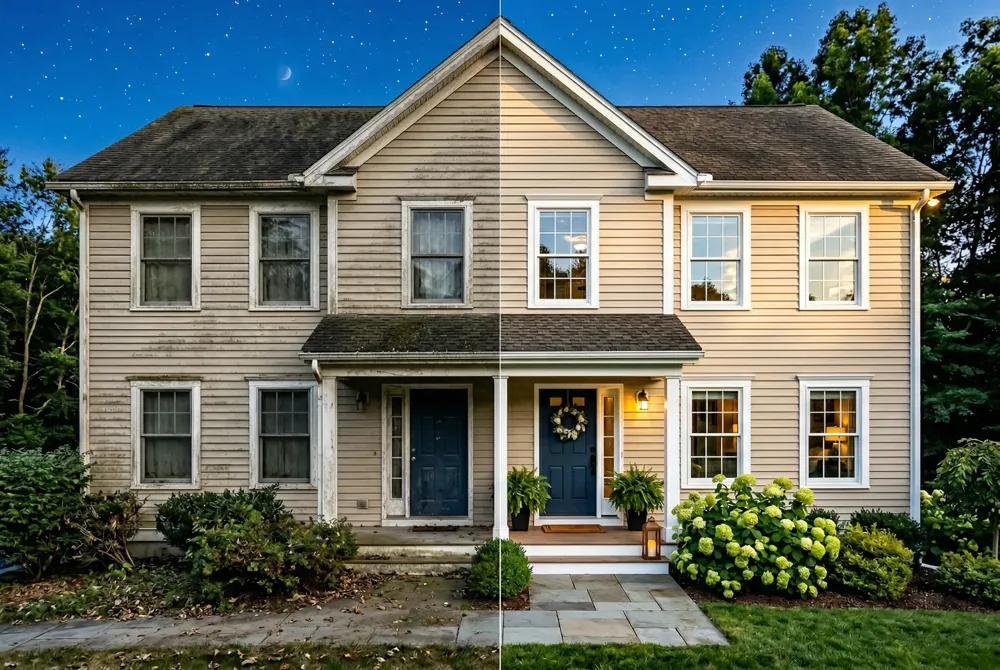
In Santa Barbara County, any company that offers pressure‑washing, soft‑washing, roof‑and‑gutter cleaning, or window washing must meet a set of state and local regulations before it can bid on a contract.
California contractor’s license (Class B) – The State License Board requires a Class B contractor’s license for any commercial exterior‑cleaning work that involves structural alterations, high‑rise access, or specialized equipment. The license demonstrates that the firm has passed the required trade‑and‑business exams and maintains a bond to protect owners.
General liability and workers’ compensation insurance – Clients typically demand at least $1 million in general liability coverage and workers’ compensation that meets California law. This protects the property owner from injury‑related claims and from damage to the building during cleaning.
EPA‑approved biodegradable cleaning agents – Santa Barbara’s coastal environment and strict water‑quality rules require the use of non‑toxic, low‑VOC detergents. EPA‑approved biodegradable products prevent harmful runoff from entering the Santa Barbara Channel and comply with the state’s Clean Water Act standards.
Water‑runoff and Storm Water Pollution Control compliance – Contractors must submit a runoff‑management plan that limits discharge, use reclaimed water when possible, and follow the county’s Storm Water Pollution Control Ordinance. Failure to do so can result in fines and the loss of bidding privileges.
Local permits for high‑rise or historic properties – Projects involving buildings taller than three stories or structures in historic districts (e.g., downtown Santa Barbara) require a permit from the city’s Planning Department. The permit process ensures that cleaning methods (especially high‑pressure water) will not damage fragile façades or historic materials.
OSHA safety standards and fall protection – All exterior‑cleaning crews must be trained in OSHA‑mandated fall‑protection protocols, wear appropriate PPE, and conduct site‑specific risk assessments before work begins. Documented safety plans are a common clause in commercial contracts.
What are the 5 steps in the bidding process for exterior cleaning services?
First, identify the right opportunities by targeting local property managers, HOA boards, municipalities, and commercial owners who need pressure washing, roof and gutter cleaning, window washing, or soft‑washing services. Second, conduct thorough research and a site assessment to understand surface conditions, access constraints, and any special requirements. Third, price your services accurately, accounting for labor, equipment, eco‑friendly cleaning agents, permits, and insurance. Fourth, write a high‑quality proposal that clearly outlines the scope of work, schedule, safety measures, and warranty in a professional, branded format. Finally, submit the bid on time and follow up with the decision‑maker to address any questions and reinforce the value of your exterior‑cleaning expertise.
Finding and Securing Clients in Santa Barbara
Licensing, bonding, and insurance proof – Begin by securing a valid California contractor’s license, $1 million general‑liability insurance, and workers’ compensation. Provide copies in every bid to reassure HOAs and property managers that you are fully covered.
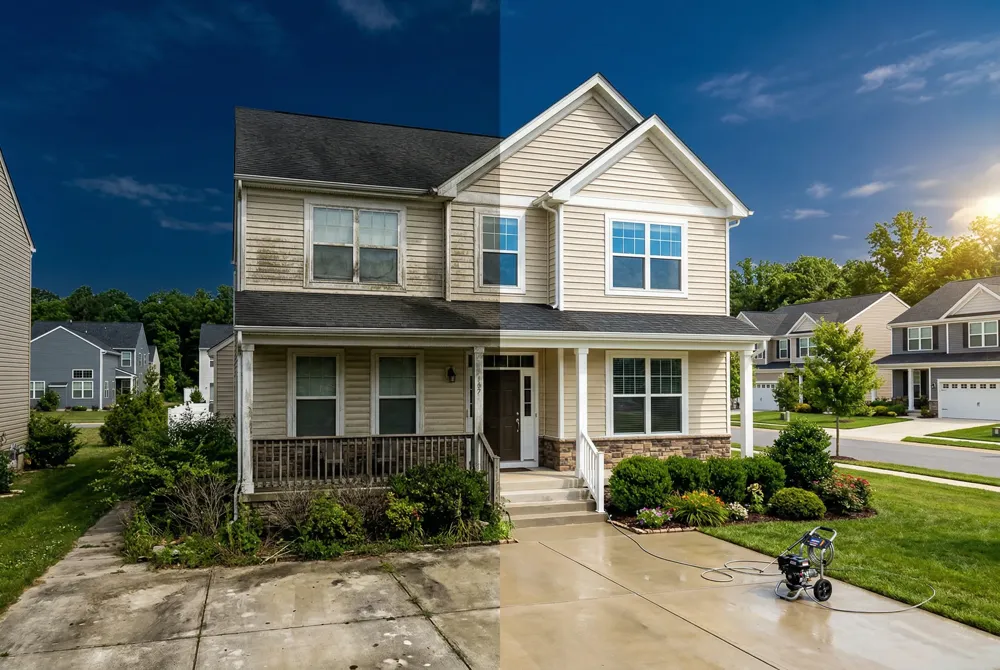
Optimized Google Business Profile and SEO website – Create a Google Business listing with location‑specific photos of recent Goleta, Montecito and Santa Barbara projects. Use SEO‑rich copy (“commercial pressure washing Santa Barbara”) and embed before‑and‑after galleries to rank in local searches.
Networking through Chamber of Commerce and property‑management groups – Join the Santa Barbara Chamber, attend monthly property‑management meet‑ups, and present short talks on eco‑friendly soft‑washing. Personal relationships often turn into repeat contracts.
Free on‑site inspections and demo cleanings – Offer a no‑obligation walkthrough, measure square footage, and perform a 30‑minute demo on a high‑traffic façade. Demonstrating results on‑site shortens the sales cycle.
Referral incentives and testimonial collection – Ask satisfied clients for written testimonials and online reviews, then reward them with a 5 % discount on their next service. A structured referral program converts one‑time jobs into long‑term revenue streams.
Managing Contracts, Next Steps, and Ongoing Value
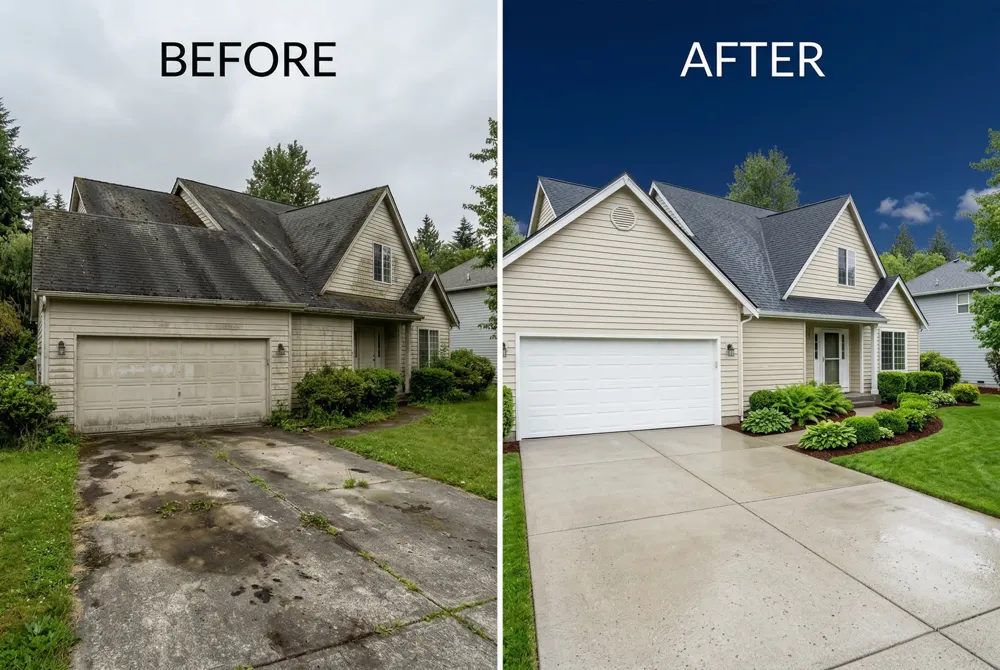
A professional pressure‑washing bid in Santa Barbara County should end with a clear next‑step plan. Include an acceptance deadline—typically 7–10 business days—so the client knows when to respond, and embed an e‑signature link for instant digital sign‑off. This speeds closure and reduces paperwork.
Outline the warranty period (30‑90 days is common) and schedule a post‑service inspection within that window; a signed checklist confirming that all surfaces meet the agreed cleanliness standards protects both parties.
Explain the ongoing maintenance schedule: quarterly soft‑wash for roofs, semi‑annual pressure‑wash for sidewalks, and seasonal adjustments for fog‑driven algae growth. Offer performance audits—quarterly walkthroughs with the client—to capture feedback, address any missed spots, and demonstrate commitment to quality.
How to bid for commercial cleaning contracts in Santa Barbara County? Successful bids follow a clear process: 1) Review project details and local regulations; 2) Conduct a site visit to assess surface conditions and access; 3) Define the scope of work (pressure washing, roof and gutter cleaning, window washing, soft washing); 4) Calculate labor, equipment, and eco‑friendly cleaning agents; 5) Add a reasonable margin and any local permits; 6) Prepare a professional, branded proposal that highlights your local expertise and warranty.
Conclusion
Summarizing the key steps: conduct a thorough site walk‑through, define a detailed scope of work, choose the right pricing model (per‑square‑foot, hourly, or flat rate), and include clear terms, insurance proof, and eco‑friendly methods. Ready to protect your property’s curb appeal and value? Contact Goleta Home Services today for a free inspection and a customized, sustainable pressure‑washing proposal with expertise and ongoing maintenance support today.