


A Fresh Start: The Power of Cleaning Before Sealing
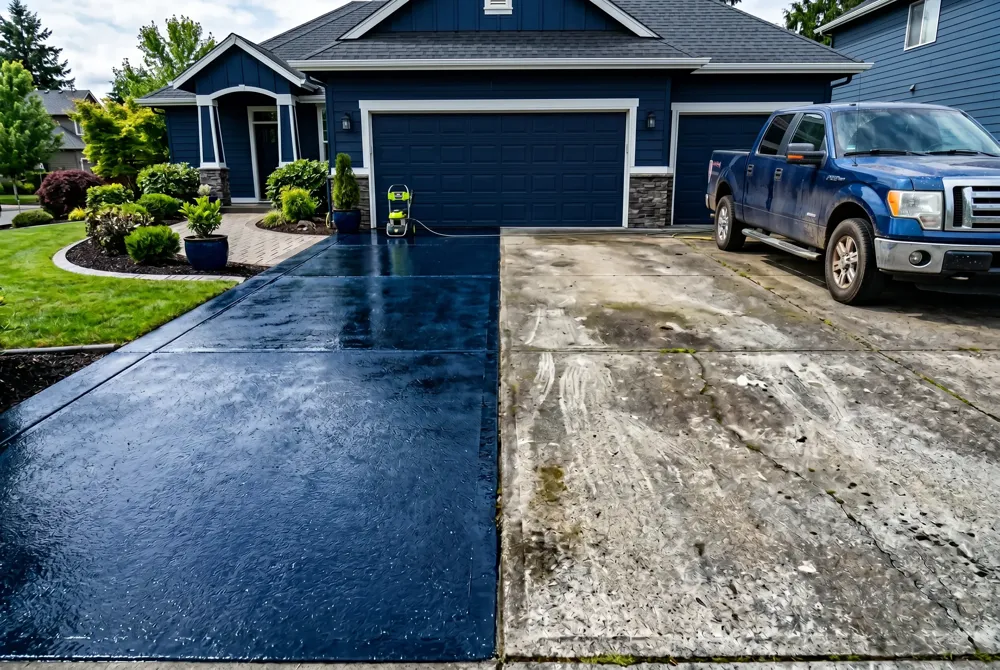
Pressure washing removes embedded dirt, oil, algae, and old sealant residues, opening the concrete or asphalt pores and creating a clean substrate that allows a new sealant to bond uniformly. A spotless surface prevents flaking, peeling, and premature failure because the sealant can penetrate the pores rather than sit on contaminants. In Santa Barbara’s mild Mediterranean climate, the recommended drying window is 24–48 hours after washing; warm, sunny days may require only 24 hours, while cooler, humid conditions can extend the period to 48 hours. Checking dryness with a water‑bead test or a plastic‑sheet moisture test ensures optimal adhesion and long‑term protection.
Understanding the Role of Pressure Washing and Sealing
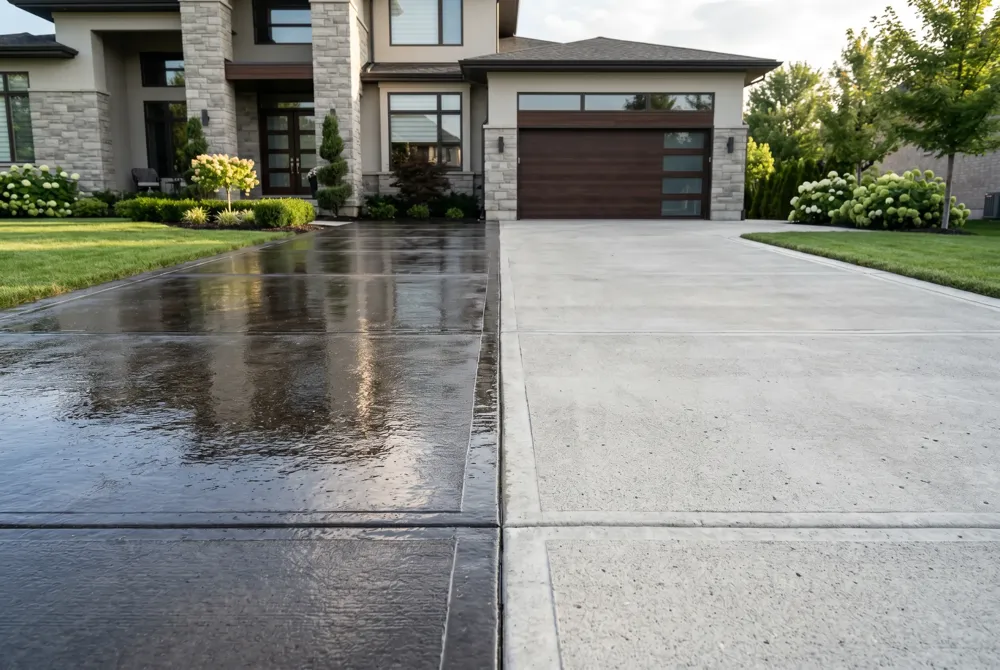
Professional pressure washing removes grime but can stress window seals; high‑pressure water may force moisture behind double‑ or triple‑pane glass, causing condensation, drafts, and reduced energy efficiency. Use low‑pressure or soft‑washing settings, as Goleta Home Services does, to protect seals while still cleaning effectively. In California, runoff from pressure washing is regulated by the Clean Water Act and local ordinances—wash water containing oil, detergents, and sediment must not enter storm drains. Choose a provider that captures or treats runoff, or employ low‑impact methods to stay compliant. After a wash, the driveway must be completely dry before sealing; most Santa Barbara conditions require a 24‑48 hour wait, extending to 72 hours in humid or shaded areas. Verify dryness with a tape or moisture test, and seal when temperatures are 50‑85 °F with no rain forecast. Fall, especially October, offers ideal weather—temperatures above 50 °F and low humidity—making it a prime time to clean and reseal before winter moisture arrives.
Choosing the Right Sealant for Your Driveway
There are three main sealant families: penetrating (silane/siloxane) that soak into concrete and repel water, film‑forming (acrylic, polyurethane) that sit on the surface for a visible barrier, and polymer‑modified blends that combine both traits for extra durability. Eco‑friendly choices favor low‑VOC, water‑based formulas that meet California CARB standards, reducing odors and harmful emissions while still offering UV protection.
Coal‑tar driveway sealer is a petroleum‑based emulsion prized for deep black gloss and resistance to oil, fuel and UV, but it emits strong odors and high PAHs, making it less suitable for environmentally conscious Santa Barbara homeowners.
Jetcoat is a polymer‑modified asphalt emulsion with sand that provides a glossy, non‑skid finish, excellent UV stability, and up to ten‑year warranties—ideal for coastal climates.
Top performers for the area include Jetcoat 10‑Year Supreme, Pavemade Asphalt Emulsion, and Gardner‑Gibson Drive‑Seal 10, all offering strong water‑repellent and UV‑resistant properties while maintaining low VOC levels. Selecting the right product balances durability, climate resilience, and environmental impact.
Cost Considerations and Professional Services
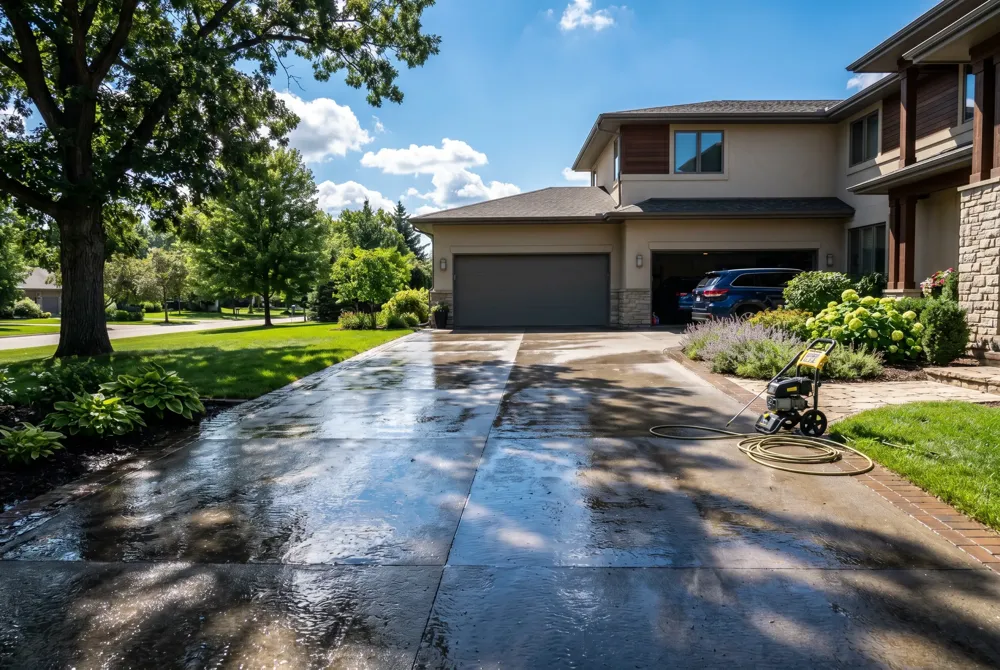
Properly protecting a drive‑way starts with a thorough pressure‑wash, followed by a high‑quality sealant. In Santa Barbara County a professional concrete‑driveway sealing job typically runs between $0.30 and $0.75 per square foot, depending on preparation, sealer type, and labor costs. For a 2,000‑sq‑ft driveway the sealer alone can cost $600–$1,500, while a combined wash‑and‑seal package usually averages about $1.00 per square foot, or $2,000 total. Asphalt sealants fall in a similar range, with coal‑tar emulsions offering durability at a higher price and eco‑friendly emulsions costing less but requiring more frequent re‑application. Most local contractors quote a free on‑site estimate that includes crack repair, stain pretreatment, and accessibility considerations.
FAQ
- How much does it cost to seal a concrete driveway? $0.30–$0.75 / sq ft; 2,000 sq ft ≈ $600–$1,500.
- Should you seal after pressure washing? Yes—seal while the surface is fully dry (24‑48 hrs) to lock in protection.
- How much to seal a 2,000‑sq‑ft driveway? $600–$1,500, depending on sealer grade and prep work.
- Combined cost to pressure wash and seal? $0.70–$1.10 / sq ft; 500 sq ft ≈ $350–$550.
- Charging for pressure washing a 2,000‑sq‑ft house? $0.30–$0.50 / sq ft; total $600–$1,000, with possible surcharges for heavy mold or difficult access.
Seasonal Timing and Weather Impacts
In Santa Barbara the best months for sealing a driveway are late spring through early fall (May‑September) when daytime highs stay between 50 °F‑85 °F and rain is scarce. October can still work—temperatures usually remain above 50 °F, but you must pick a dry, sunny window, finish before the first heavy rain, and allow a full 24‑48 hours of curing. High humidity or an unexpected shower resets the drying timer and can trap moisture under the sealer, leading to bubbling or hazing, so monitor forecasts and postpone if rain is predicted. Before sealing, inspect for cracks or potholes; repair them with a concrete patching compound or a flexible polymer‑modified filler, as sealed cracks let water infiltrate and cause freeze‑thaw damage.
Is October too late to seal a driveway? No—if you have a warm, dry spell and the surface is clean and repaired, October sealing still provides solid protection for winter.
Do I need to pressure wash an asphalt driveway before sealing? Yes—pressure washing removes oil, algae, and old sealant residues, ensuring proper adhesion and letting you spot repairs.
How can I clean a concrete driveway without a pressure washer? Sweep, scrub with a dish‑soap or eco‑friendly detergent solution, treat stains with a degreaser or vinegar‑baking‑soda paste, rinse thoroughly, and let it dry.
What driveway sealer works best for cracks? A flexible, polymer‑modified sealer such as urethane‑based or liquid‑rubber products bridges gaps while moving with the pavement, preventing water ingress.
What are the pros and cons of sealing a concrete driveway? Pros: blocks moisture and stains, adds UV protection, reduces freeze‑thaw cracking, enhances curb appeal. Cons: upfront cost, need for proper preparation, periodic re‑application every 2‑3 years, possible slipperiness when wet, and some sealants contain non‑eco‑friendly solvents.
Common Mistakes and Maintenance Best Practices
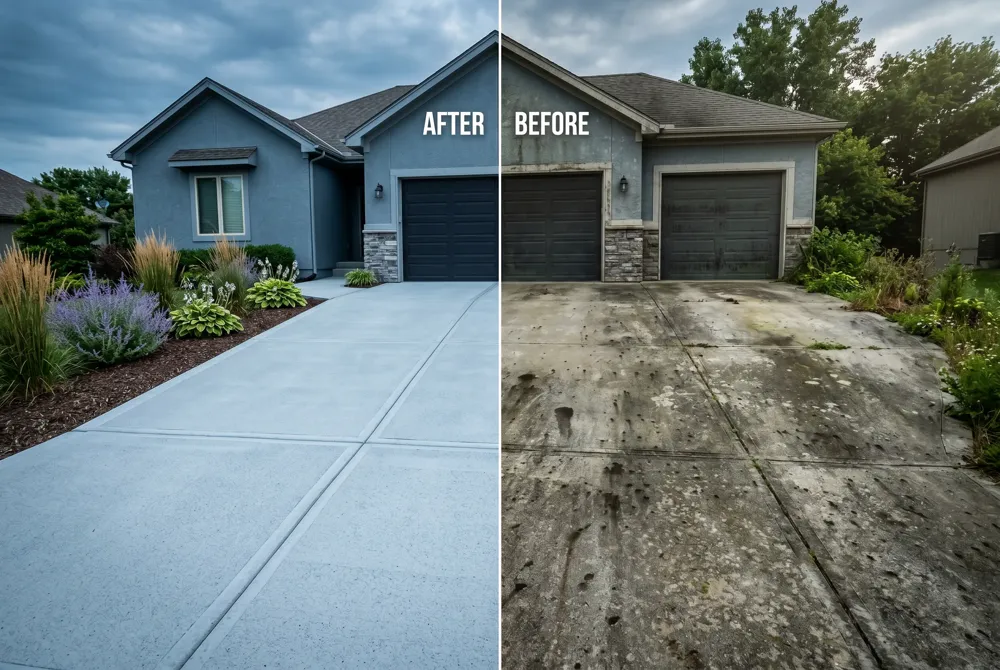
Professional pressure washing in Goleta creates a clean, porous surface that must be sealed promptly to lock in protection. DIY pitfalls when sealing driveways – Homeowners often skip a thorough wash, apply too much sealer, or use the wrong product (e.g., an asphalt emulsion on concrete). Sealing while the pavement is still damp, in cold or windy weather, or before cracks are repaired leads to bubbling, peeling, and premature failure. Regular resealing schedules – For concrete, reseal every 2‑3 years; for asphalt, every 1‑2 years in high‑traffic coastal zones. A winter rainstorm can accelerate UV and salt damage, so keep a calendar of annual pressure‑wash and reseal dates. Crack repair before sealing – Fill all cracks, chips, and holes with a compatible patching compound; allow it to cure fully before washing. This prevents moisture from seeping under the sealant and causing freeze‑thaw cracking later. Safety considerations after sealing – Keep the driveway dry and traffic‑free for at least 24‑48 hours; use anti‑skid additives if a film‑forming sealer is applied to avoid slip hazards when wet. Following these steps maximizes durability, curb appeal, and long‑term property value.
Eco‑Friendly Practices, Local Regulations, and Professional Expertise
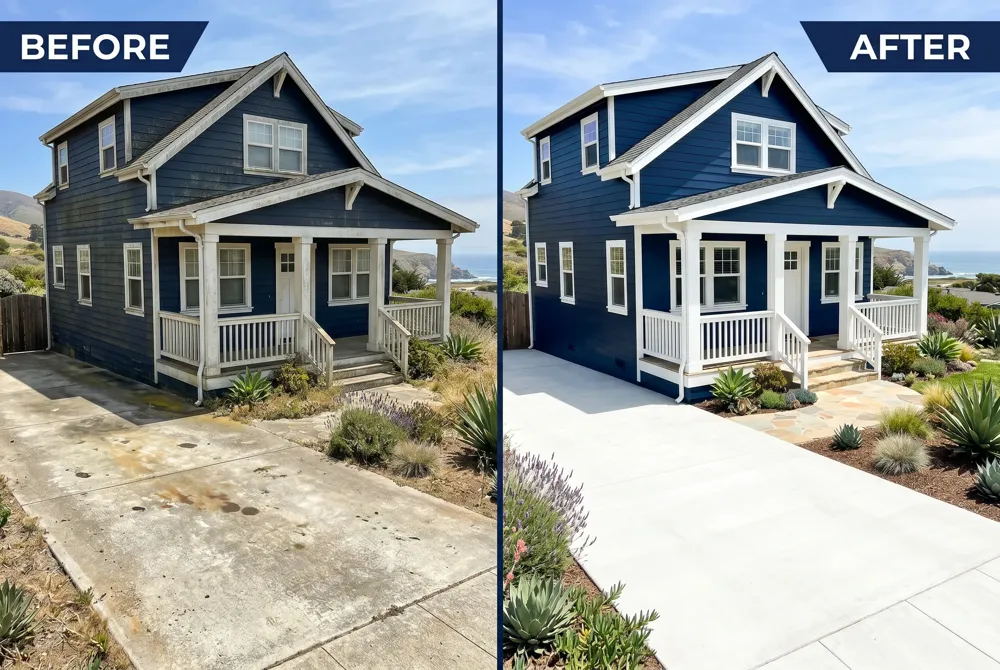
Professional driveway‑sealing crews in the Santa Barbara area use commercial‑grade sealers—typically acrylic‑based, polymer‑modified asphalt emulsions, or specialty elastomeric formulas such as Jetcoat, Liquid Rubber, or Henry’s 5‑gallon systems. Before sealing they clean the surface, repair cracks with compatible fillers, and protect surrounding landscaping. The sealer is applied with a high‑efficiency airless or pump‑sprayer that delivers an even coat in a single pass, ensuring strong adhesion, UV protection and flexibility.
Pressure‑washing a driveway is not illegal in California, but runoff must be managed. The Clean Water Act and local watershed ordinances prohibit discharging oil‑laden, detergent‑filled water into storm drains. Eco‑friendly companies capture and treat runoff or use low‑impact methods such as biodegradable detergents and water‑recovery systems to stay compliant.
Goleta Home Services meets CARB standards by using low‑VOC, biodegradable cleaning solutions and calibrated low‑pressure equipment that protects vegetation and reduces water waste. Their professional gear—ranging from 2,500‑3,000 psi washers to airless sprayers—ensures a uniform sealant layer while respecting California’s strict water‑quality rules.
Keeping Your Driveway Strong for Years to Come
Cleaning a driveway with a professional pressure‑wash removes embedded dirt, oil, algae and old sealant, opening the pores so a new sealer can bond uniformly. Sealing afterward creates a moisture‑proof barrier that stops water, stains and UV damage from penetrating, reducing freeze‑thaw cracking and oil‑spot absorption. The combined process extends the pavement’s life by up to ten years, meaning fewer costly repairs and resurfacing. A well‑sealed surface also looks fresher, boosts curb appeal, and can raise resale value by three to five percent in the Santa Barbara market. Homeowners who act now can schedule an eco‑friendly pressure‑wash and low‑VOC sealing with Goleta Home Services—protect your driveway and your investment today. Contact them today for a free estimate and enjoy lasting protection.