


Why Regular Gutter Maintenance Matters in Goleta
Gutters are the first line of defense for a Goleta home, directing rainwater away from the roof, foundation, and landscaping. When gutters become clogged, water can overflow onto the foundation, leading to cracks, basement flooding, and costly structural repairs. The local Mediterranean climate brings a rainy season from November through March, and coastal winds constantly drive salt‑laden debris and pine needles into gutters, accelerating corrosion of metal systems. Regular DIY cleaning—using a sturdy ladder, heavy‑duty gloves, a scoop, and a garden hose—can remove most buildup and allow homeowners to spot early signs of sagging, rust, or leaks. However, professional pressure‑washing services offer eco‑friendly, low‑pressure cleaning that reaches hidden seams, clears stubborn blockages, and applies protective sealants without damaging gutters. Combining seasonal DIY checks with an annual professional wash preserves curb appeal, extends gutter lifespan, and safeguards the home’s value.
Safety First: Essential Gear and Ladder Practices

Personal protective equipment (PPE) is the first line of defense when cleaning gutters. Wear heavy‑duty work gloves, safety glasses or goggles, rubber‑soled slip‑resistant shoes, and a long‑sleeve shirt. In dusty or mold‑prone environments, add a N‑95 or P‑100 respirator to protect your lungs.

Ladder selection and placement are critical for stability. Choose a Type I or IA extension ladder rated for at least 250‑300 lb. Follow the 4:1 rule—place the ladder’s base one foot out for every four feet of height—and set it at a 75‑degree angle on level ground. Use a ladder stabilizer or have a helper hold the base, and always keep three points of contact while climbing.
Mask usage for respiratory protection is essential. Even dry debris can release spores and fine particles; a proper mask prevents inhalation of allergens and irritants. Pair the mask with the other PPE for a safe, efficient DIY gutter‑cleaning session.
Tools, Techniques, and Little‑Known Tricks

Ground‑level cleaning methods such as a U‑shaped hose attachment, a telescoping pole with a gutter scoop, or a wet/dry vacuum let you work from the ground, eliminating ladder falls. Using a paint roller on a pole or a leaf‑blower with a narrow nozzle pushes debris toward the downspout without climbing.

Can I clean gutters yourself safely? Yes. Place a ladder on level ground, keep contact, wear shoes, gloves and safety glasses, and have a helper steady the ladder or pole. Remove bulk debris with a scoop, then flush with a hose. Avoid wet or windy days and over‑reaching.
What is a little‑known trick for cleaning gutters? Attach an old paint roller to a telescoping pole; its soft bristles sweep leaves out of the gutter from the level. A leaf blower aimed upward can also blow material into the downspout. These techniques reduce ladder risk and keep gutters clear, preserving value.
DIY Leaf‑Filter Installation

Installing leaf filters in your gutters is a simple, cost‑effective way to keep debris out while allowing rainwater to flow freely—especially important in Goleta’s salty, windy climate. First, clean each gutter section thoroughly and let it dry; this ensures the filter sits flat and adheres properly. Measure the length of the gutter, then cut a piece of hardware cloth or commercial leaf‑filter mesh to that length, leaving a one‑inch overhang on each side for secure attachment. Position the mesh inside the gutter with the open side facing upward, and fasten it using stainless‑steel screws, zip‑ties, or rivets spaced every six to eight inches. Apply a thin bead of silicone sealant around the perimeter to prevent water seepage under the filter. Finally, test the system by running water through the gutter with a garden hose, checking that the flow is uninterrupted and that the filter holds in place. This DIY method reduces the frequency of deep cleanings, protects the home’s foundation, and enhances curb appeal without the need for professional services.

Snap‑In Gutter Guard Installation (Lowe’s Kit)

Preparing the gutter and kit: Begin by removing all debris and ensuring the gutter is dry. Inspect the gutter for cracks or loose brackets and tighten any fasteners. Open the Lowe’s snap‑in guard kit, lay out the panels, and verify you have the correct length for your gutter run.

Snapping panels together: Starting at one end, insert the first panel into the gutter lip until you hear a firm click. Overlap each subsequent panel by 1‑2 in to maintain a tight seal, snapping each into place as you move along the gutter. Trim any excess with a utility knife and ensure the panels sit flush against the gutter.
Securing ends and verifying flow: Attach the supplied end caps, then run a garden hose through the system to confirm water flows unimpeded. Check for gaps or misaligned panels and re‑snap as needed. This quick, low‑maintenance solution is ideal for Santa Barbara County homes, protecting against leaf buildup while preserving curb appeal.
DIY Gutter Screen and Choosing the Right Adhesive

Gutter screens are a cost‑effective way to keep leaves and debris out of the system while preserving the curb appeal and value of a home.

DIY gutter screen: a simple low‑cost solution
Materials needed: ½‑inch galvanized or stainless‑steel hardware cloth (mesh ½‑in to 1‑in), measuring tape, tin snips, zip‑ties or stainless‑steel screws, and optional silicone sealant. Steps: 1) Clean and dry the gutter. 2) Measure and cut the mesh, leaving a ½‑in overhang. 3) Lay the mesh flat against the gutter bottom. 4) Fasten with zip‑ties or screws every 6‑8 in; apply a thin bead of silicone along the top edge for extra weather‑proofing. 5) Test by running water to confirm free flow.
Choosing the right gutter adhesive for repairs in Santa Barbara County
Use a 100 % silicone‑based waterproof adhesive labeled “exterior‑grade” and UV‑stable. It bonds to aluminum, steel, and PVC, tolerates temperature swings, and remains flexible. Apply to clean, dry surfaces, press pieces together, and let cure for at least 24 hours before rain exposure. For small leaks, a clear silicone caulk rated for outdoor use works as well.
When larger clogs or stubborn grime appear, professional pressure washing with eco‑friendly solutions can quickly restore flow without harming nearby vegetation, further protecting the home’s foundation and appearance.
Maintenance Frequency and Seasonal Tips for Goleta
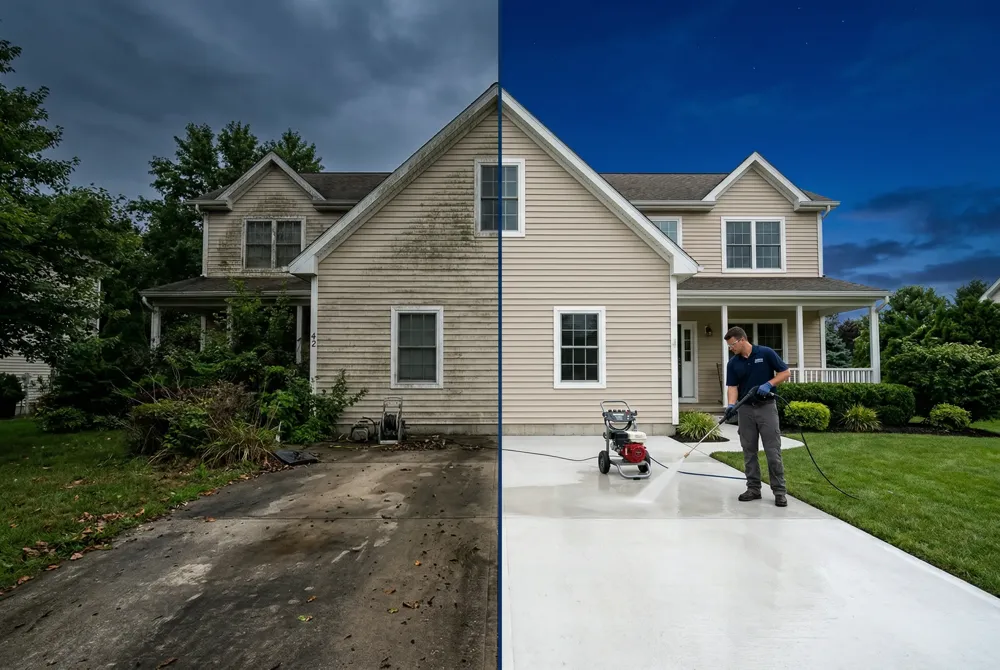
In Goleta, gutter cleanings should be performed atleast twice a year—once in the spring after the rainy season clears and again in the fall before the winter rains begin. The coastal‑Mediterranean climate brings frequent winds that drop leaves, sand, and occasional heavy storms, so owners with over‑hanging trees or nearby construction may benefit from an additional cleaning in late summer to prevent clogs. After any major storm, inspect the gutters immediately for debris, sagging sections, or downspout blockages; a quick hose flush can verify proper flow and prevent overflow that could damage roof, siding, or foundation. Regular, seasonal cleanings protect the exterior, extend the life of the gutter system, and preserve curb appeal. Hiring a local professional ensures safe ladder use, proper eco‑friendly cleaning methods, and compliance with Goleta’s specific weather patterns.

Final Thoughts: Keep Your Gutters Clear and Safe
A successful DIY gutter cleaning routine starts with the right tools and safety habits. Use a sturdy, rated‑for‑300‑lb extension ladder set at a 75‑degree angle, maintain three points of contact, and secure the base with a stabilizer or a helper. Equip yourself with heavy‑duty gloves, safety goggles, slip‑resistant shoes, a plastic scoop or garden trowel, a bucket or tarp, and a garden hose with an adjustable nozzle. Flush the system after scooping debris, and inspect downspouts with a plumber’s snake or low‑pressure washer if needed. Regular maintenance—at least twice a year, preferably in spring and fall—prevents water damage, foundation erosion, mold growth, and costly repairs, while preserving curb appeal and property value. Call Goleta Home Services when ladd have multi‑story homes, steep roofs, tall trees, or damaged gutters, or when you prefer eco‑friendly pressure‑washing solutions that safely remove buildup without harming the surrounding landscape.