


Why Data Compliance Matters for Home Services
Customer trust and reputation are built on how securely a home‑service business handles personal information. When a homeowner schedules a pressure‑washing appointment, they share names, addresses, phone numbers, and payment details; any breach or mishandling can erode that trust instantly and lead to costly lawsuits. Transparent privacy notices, prompt opt‑out mechanisms, and easy data‑deletion requests—required by the California Consumer Privacy Act (CCPA) and its amendment, the CPRA—show clients that the company respects their rights and data.
Legal obligations for California businesses go beyond simple disclosures. The California Privacy Protection Agency now mandates cybersecurity audits, risk assessments, and, for firms earning over $100 million, certification deadlines beginning April 1 2028. Even smaller firms must provide clear privacy policies, honor consumer requests within 45 days, and implement reasonable security measures such as encryption, firewalls, and multi‑factor authentication. Failure to comply can trigger civil penalties up to $7,500 per violation and invite FTC enforcement actions for deceptive practices.
Impact on everyday operations is measurable. Regular data‑security audits uncover vulnerabilities before they become breaches, while employee training on privacy protocols reduces human error—the leading cause of incidents. Automated compliance tools streamline request handling and documentation, allowing staff to focus on delivering high‑quality exterior cleaning rather than firefighting data incidents. In short, robust compliance protects the business, satisfies the law, and keeps the curb‑appeal of each property pristine.
Understanding the California Consumer Privacy Act (CCPA) and CPRA
The California Consumer Privacy Act (CCPA) gives residents three core rights over their personal information: the right to access the data a business holds, the right to request deletion of that data, and the right to opt‑out of the sale of their information. To honor these rights, businesses must provide a clear, conspicuous privacy notice that explains what categories of data are collected, the purposes for collection, and any third parties with whom the data is shared. The notice must be posted on the company’s website and provided at the point of data capture. The California Privacy Rights Act (CPRA), which amends the CCPA, expands the definition of sensitive personal information, adds a right to correct inaccurate data, and requires businesses to conduct regular risk assessments and cybersecurity audits beginning in 2026. CPRA also creates the California Privacy Protection Agency to enforce the rules, making compliance more rigorous than under the original CCPA.
The Patchwork of State Privacy Laws Beyond California
While California’s CCPA/CPRA remains the most widely‑cited consumer‑privacy law, a growing number of states have enacted their own comprehensive statutes. Colorado’s Privacy Act (CPA), Connecticut’s Data Privacy Act (CTDPA), and Virginia’s Consumer Data Protection Act (VCDPA) each grant residents rights to access, delete, and opt‑out of the sale of personal information—mirroring CCPA core provisions. However, the statutes differ in scope: Colorado and Virginia set revenue‑based thresholds (e.g., $25 million annual gross revenue for Colorado), whereas Connecticut applies to any entity processing data of at least 100,000 consumers. Enforcement agencies also vary; Colorado’s Attorney General and Virginia’s Attorney General oversee compliance, while Connecticut’s Department of Consumer Protection handles enforcement. Other states—such as Utah, Texas, and Oregon—have followed suit with similar rights and enforcement mechanisms, often delegating authority to state attorneys general or dedicated privacy commissions. Understanding these nuances helps businesses, including local service providers, align data‑handling practices with each jurisdiction’s specific requirements.
New CPPA Requirements Effective January 1 2026
Starting January 1 2026, the California Privacy Protection Agency (CPPA) will require all businesses that fall under the CCPA/CPRA to conduct a formal cybersecurity audit and a comprehensive privacy‑risk assessment. The audit must evaluate technical and organizational safeguards, while the risk‑assessment summary must identify how personal data is collected, stored, shared and protected. Deadlines for submitting the audit certification are tied to a company’s annual revenue: firms earning more than $100 million must file by April 1 2028; those with $50‑$100 million have until April 1 2029; and businesses under $50 million must comply by April 1 2030. In addition, the CPPA’s new rules on automated decision‑making technology (ADMT) take effect on January 1 2027. Affected businesses must document the models they use, conduct impact assessments, and provide consumers with clear explanations and opt‑out options for automated profiling. Together, these measures aim to increase transparency, reduce data‑breach risk, and ensure that privacy‑by‑design principles are embedded in everyday operations.
Data Security Audits: Identifying Vulnerabilities Before Regulators Do
Small service businesses such as exterior‑cleaning firms should conduct data‑security audits at least annually, expanding the scope each year to cover new systems, third‑party vendors, and emerging threats. A practical checklist includes inventorying all customer data repositories, mapping data flows, verifying encryption of data at rest and in transit, and testing access controls with role‑based permissions and multi‑factor authentication. Automated compliance‑check tools—like NIST‑based scanners, cloud‑security posture managers, and CPPA‑approved risk‑assessment platforms—speed up vulnerability identification and generate real‑time alerts for misconfigurations. After each audit, document findings in a structured report: list identified gaps, assign remediation owners, set remediation deadlines, and attach evidence (screenshots, logs, configuration files). This documentation satisfies the California Privacy Protection Agency (CPPA) cybersecurity‑audit certification requirements and provides a clear audit trail for the Federal Trade Commission (FTC) in the event of a breach investigation. Maintaining up‑to‑date audit records not only eases regulator scrutiny but also builds customer trust by demonstrating a proactive, transparent security posture.
Employee Training and Role‑Specific Privacy Guidance
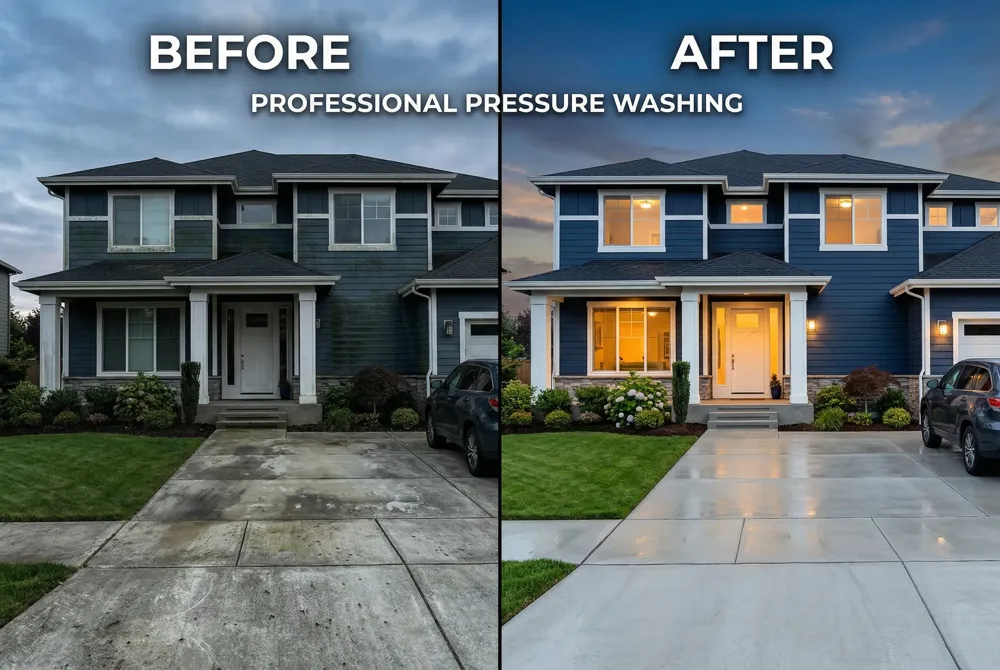
Effective privacy protection starts with staff who understand their specific responsibilities. Design workshops that split into two tracks: front‑line crew members who collect phone numbers, addresses and payment details, and office personnel who process scheduling, invoicing and marketing data. For field workers, focus on securing portable devices, using encrypted forms, and obtaining verifiable consent before sharing information. Office staff should learn how to draft clear privacy notices, honor CCPA/CPRA access‑delete requests, and apply role‑based access controls. Embed a “privacy‑by‑design” mindset by reviewing every workflow—from a customer call to a cleaning crew’s route plan—to ensure data is collected only when necessary, stored encrypted, and deleted after the retention period. Track completion with a learning‑management system that records quiz scores and timestamps, and reinforce retention through quarterly refresher drills, simulated breach exercises and a public dashboard that shows compliance metrics. This structured, role‑specific training not only meets California’s CPPA audit requirements but also builds a culture where every employee protects the property‑owner’s trust and the business’s reputation.
Technology Solutions that Streamline Compliance
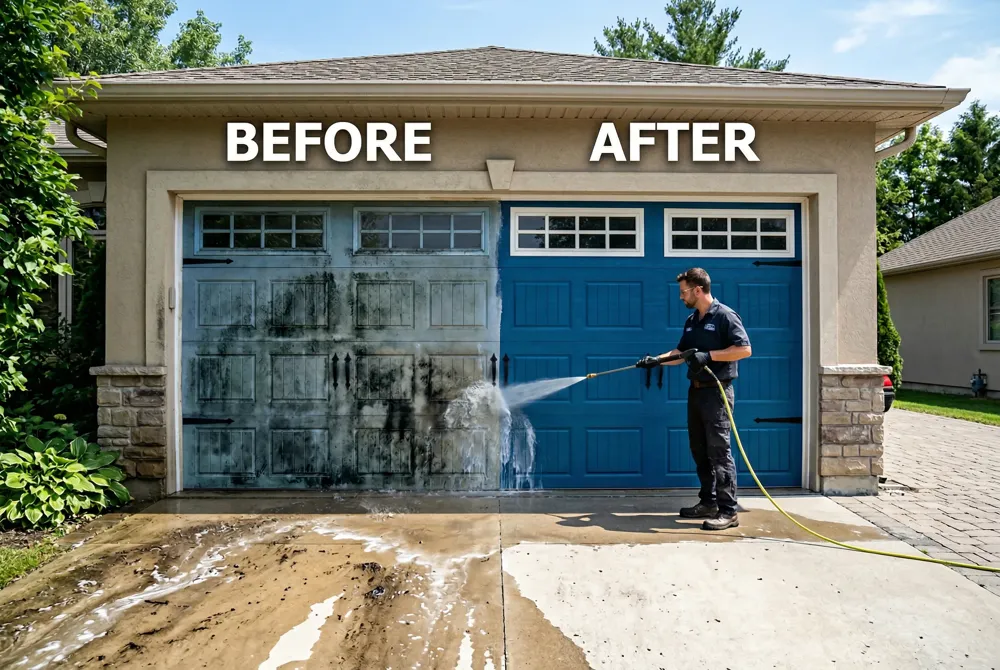
For a small service business such as Goleta Home Services, leveraging modern technology can turn compliance from a burden into a competitive advantage. Encryption is the foundation: using AES‑256 for data at rest protects customer names, addresses, and payment details on servers and backups, while TLS 1.3 (HTTPS) secures information in transit between the website, scheduling app, and cloud storage. Automated consent‑management platforms simplify the CCPA/CPRA opt‑out and deletion processes—customers can toggle preferences on a self‑service portal, and the system logs each request for audit readiness. Data‑loss‑prevention (DLP) tools continuously monitor file transfers, email, and endpoint activity, flagging any unauthorized export of personally identifiable information (PII) and automatically encrypting or blocking the data. Together, these controls—encryption, consent automation, and DLP monitoring—provide the “privacy‑by‑design” stack that small businesses need to protect client data, meet state‑level privacy laws, and demonstrate good‑faith compliance to regulators and customers alike.
Vendor Due Diligence and Third‑Party Risk Management

For a home‑service business such as Goleta Home Services, the security of customer data hinges on the partners it uses. begin I a cloud, any service contract‑ provider compliance payment services PCI DSS, SOC 2, or ISO 27001 reports. These certifications prove that the provider encrypts cardholder data, enforces least‑privilege access, and conducts regular vulnerability scans—key safeguards for the payment‑card and contact information you collect during scheduling and invoicing.
Second, embed specific contractual clauses that spell out data‑processing responsibilities, breach‑notification timelines (often 30 days under California law), and the right to audit. A clear breach‑response addendum ensures the vendor must notify you promptly, allowing you to meet FTC and state breach‑notification rules.
Finally, schedule an annual review of each vendor’s security posture. Verify that certifications are up‑to‑date, request the latest SOC‑2 Type II or ISO‑27001 audit, and compare their controls against your own data‑protection policy. Routine third‑party risk assessments keep your privacy program “green” and protect the curb‑appeal reputation of your business.
Cross‑Border Data Transfers and International Standards

For a home‑service business that markets online, the EU General Data Protection Regulation (GDPR) can apply whenever you offer services to EU residents or track their behavior on your website. Even if your physical operations are in California, a website that accepts bookings from a French homeowner creates a GDPR data‑processing obligation, requiring a lawful basis (e.g., consent), a clear privacy notice, and the ability to honor access, correction and erasure requests.
To move EU personal data to the United States legally, you may rely on the EU‑U.S. Data Privacy Framework (DPF) or, where the DPF is not available, on Standard Contractual Clauses (SCCs). Both mechanisms demand that you implement strong security controls, such as encryption at rest and in transit, and that you can demonstrate an equivalent level of protection to EU standards.
Practical safeguards include: maintaining a detailed inventory of all international data flows, using reputable cloud providers with DPF‑certified contracts, encrypting every data transfer, conducting regular risk‑based assessments, and appointing a point person to handle cross‑border data‑subject requests. These steps protect your customers, reduce legal exposure, and reinforce the trust that underpins repeat business and positive curb‑appeal reputation.
Payment Card Data: PCI‑DSS Compliance Made Simple

For a home‑service business such as Goleta Home Services, handling credit‑card payments is inevitable, but the PCI‑DSS (Payment Card Industry Data Security Standard) protects both the company and its customers. First, understand why PCI‑DSS matters: it requires encryption of cardholder data, strict access controls, and regular vulnerability scans, reducing the risk of costly breaches and the heavy fines that can follow. Second, most small firms find it easiest to use a reputable third‑party processor—Square, Stripe, or PayPal—because the processor assumes the heavy lifting of compliance, including tokenization and secure storage, while the business only needs to ensure that no unencrypted card data ever lands on its own servers or devices. Finally, conduct a quick self‑audit: verify that no paper receipts, spreadsheets, or local databases contain raw card numbers; disable any legacy point‑of‑sale software that stores data; and confirm that all internet traffic involving payments is protected by HTTPS/TLS. By delegating processing, encrypting data in transit, and maintaining a clean on‑premises environment, small service providers can meet PCI‑DSS requirements without a full‑time security team.
Data Minimization, Retention Policies, and the ‘Right to Be Forgotten’

Collecting only the data needed for scheduling, invoicing, and marketing is the first step toward compliance. Record just the customer’s name, address, phone number, email, service date, and payment details—nothing extra. This narrow scope satisfies CCPA/CPRA disclosure requirements while reducing exposure. Next, set clear retention schedules: keep invoicing records for the period required by state law (often three to seven years) and purge marketing lists after the consumer’s opt‑out or after a predefined interval, such as 24 months of inactivity. Document these timelines in a written policy and review them annually during data‑security audits. When a consumer requests deletion, follow a documented “right to be forgotten” procedure: verify the request, locate all data, (including backups), and securely erase it using encryption‑key destruction or certified data‑wiping tools. Confirm completion with the consumer and retain a minimal audit log of the deletion for compliance evidence. This disciplined approach protects privacy, limits liability, and builds trust with homeowners.
Breach Notification, Incident Response, and FTC Enforcement

A data breach can damage a cleaning business’s reputation as quickly as a missed pressure‑washing job can mar curb appeal. In California, owners must notify affected residents within 30 days of discovering unencrypted personal information, then follow up with a clear, factual breach notice that complies with the state’s Online Privacy Protection Act. The FTC’s unfair‑deceptive practice rules require that any privacy promise on a website or invoice be honored; a vague or delayed breach notice can trigger a federal enforcement action. To stay ahead, many small‑business owners enlist a virtual Chief Information Security Officer (vCISO). The vCISO helps draft a written incident‑response plan, runs tabletop drills, and ensures that encryption, firewalls, and multi‑factor authentication are in place. Regular testing of the plan—ideally before the next service season—demonstrates good‑faith effort to regulators and reassures customers that their data is handled with the same care you give their home exteriors.
Keeping Santa Barbara Homes Safe, Clean, and Compliant
Key takeaways for Goleta Home Services – The CCPA/CPRA requires clear privacy notices, easy opt‑out mechanisms, and the right for customers to request deletion of their personal data. Goleta Home Services meets these obligations by publishing a concise policy on its website, using role‑based access controls for staff, and encrypting all customer records in transit and at rest. Regular employee training on data‑handling ensures that every technician knows how to protect contact details, payment information, and any health‑related data that may arise during service scheduling.
Continuous improvement and future regulatory trends – Beginning January 1 2026, the California Privacy Protection Agency will mandate cybersecurity audits and risk assessments for businesses earning over $100 million, with similar requirements scaling down for smaller firms. Although Goleta Home Services falls below that threshold, adopting the same audit framework now (automated compliance checks, penetration testing, and documented risk‑mitigation plans) prepares the company for stricter future rules and demonstrates good‑faith compliance to both regulators and customers.
Call to action – Homeowners, ask Goleta Home Services about its privacy practices before booking a pressure‑washing appointment. Inquire how your data will be stored, who can access it, and what steps are taken to delete it on request. Transparent dialogue protects your privacy and reinforces the trust that keeps Santa Barbara properties spotless and secure.