


Why Clean Panels Matter in Goleta
Goleta receives about 300 sunny days per year and an average irradiance of ~5.5 kWh/m²/day, making solar power a key asset. However, the coastal climate brings dust, pollen and sea‑salt aerosol that can cut panel output by 5‑25 % if left unchecked. Manual cleaning—often done with hoses, ladders and abrasive brushes—poses safety risks, high labor costs (≈$0.10‑$0.30 per watt per visit) and water waste, especially under local drought restrictions. Robotic cleaning robots address these issues: they operate autonomously, use soft‑brush or water‑free air‑blowing methods, reduce labor by up to 80 %, conserve water by 70‑90 % and keep efficiency within 1 % of optimal. In Goleta, adopting robots protects revenue, extends panel life and complies with eco‑friendly regulations for homeowners and businesses.
The Efficiency Boost: How Robots Keep Panels Clean
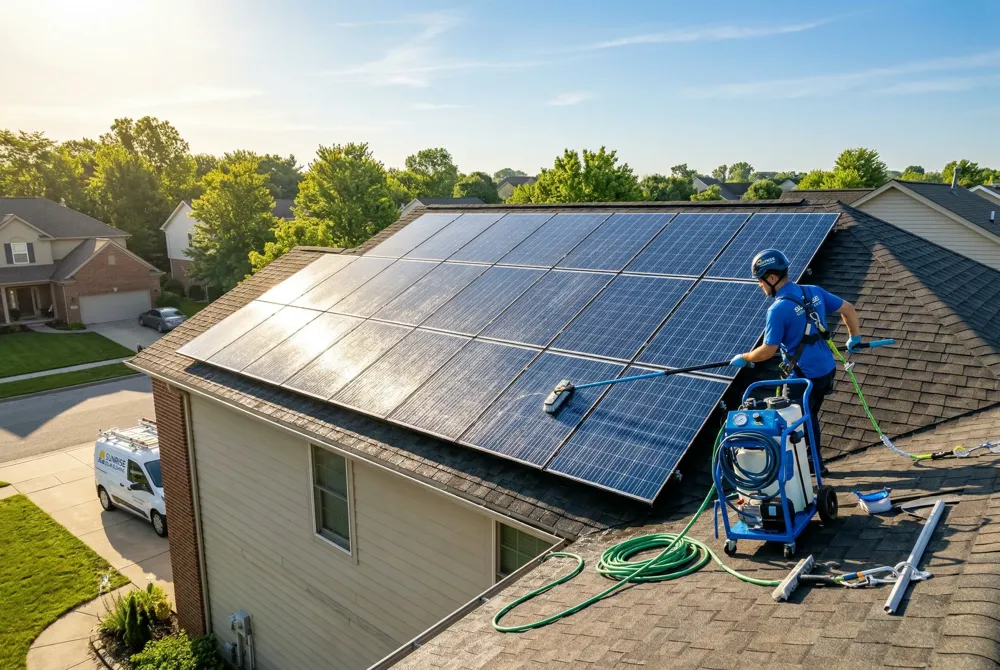
Solar panels lose 5‑30 % of their output when dust, pollen, bird droppings, or sea‑salt settle on the glass. Robotic cleaning systems remove that soiling and restore 95‑99 % of the panels’ original efficiency, translating into a 5‑15 % net gain in annual energy production for most installations. In Goleta’s Mediterranean climate, where dry summer winds deposit dust and marine aerosol is common, this boost can add roughly 960 kWh per year to a typical 6.9 kW residential system (≈$120‑$150 in electricity savings).

Water‑conservation is a core advantage: dry‑cleaning robots such as Ecoppia, Airtouch, and IFBOT X3 use soft microfiber brushes or low‑pressure air, eliminating the need for gallons of water. Compared with traditional hose‑based cleaning, water‑free robots cut consumption by up to 90 %—a critical benefit in drought‑prone Southern California and a compliance point for local water‑wise ordinances.
Automation enables cleaning during non‑peak hours or at night, so panels stay online while the robot works. AI‑driven scheduling and GPS navigation allow fleets to operate autonomously across large farms, reducing labor hours by 70‑90 % and cutting downtime from weeks to a few hours per year.
Regular, non‑abrasive robot cleaning also prolongs panel life. By preventing abrasive particles from scratching glass or degrading anti‑reflective coatings, robots can extend the useful lifespan of PV modules by 2‑5 years, lowering replacement costs and preserving the property’s energy‑generation asset value. Overall, robotic cleaning delivers a compelling mix of higher energy yield, water savings, operational efficiency, and longer‑lasting solar investments.
Economic Impact: ROI and Cost Savings
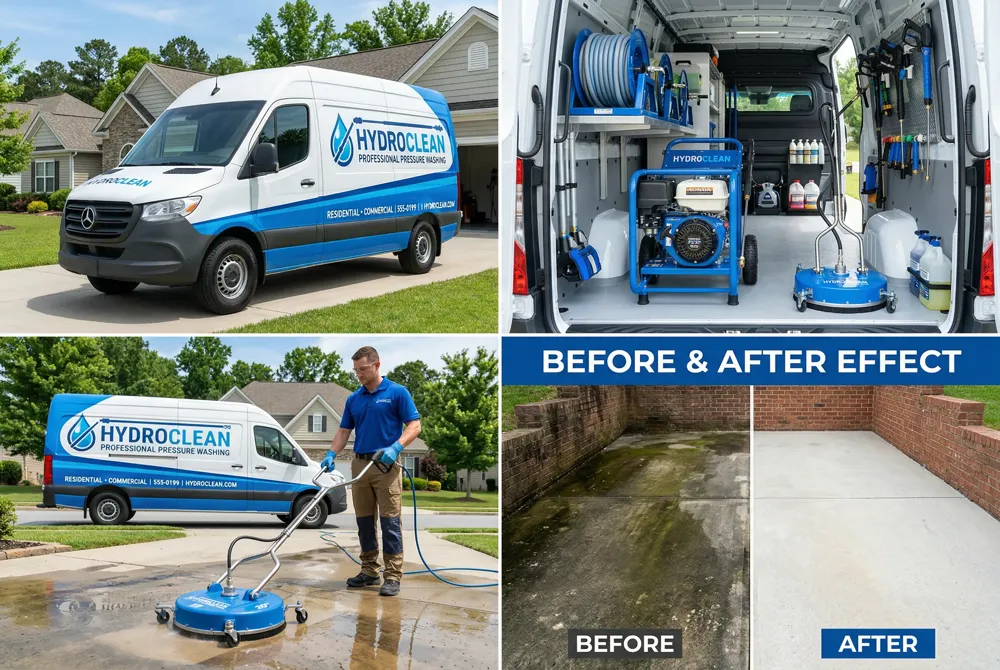
Solar panel cleaning robots deliver compelling financial benefits for both commercial and residential owners in Goleta. Payback periods are typically 12‑24 months for utility‑scale farms, 18‑36 months for medium‑sized commercial rooftops, and 3‑5 years for residential systems, especially where soiling exceeds 2 g/m² / month. Labor‑cost reductions are dramatic—studies show an 85‑90 % drop in annual cleaning labor hours, translating to 70‑80 % savings on crew expenses. Water‑usage savings are equally impressive; water‑free robots cut consumption by 80‑90 % versus hose‑based cleaning, lowering water bills and complying with Santa Barbara County’s conservation rules. Typical upfront investment for a commercial‑grade robot ranges from $15,000 to $30,000 (or $20,000‑$50,000 for higher‑capacity units), while residential units may cost $5,000‑$15,000. Operating costs are modest, often $0.05‑$0.10 per panel per cleaning, covering electricity, occasional brush replacement, and battery upkeep. In Goleta professional solar‑panel maintenance (cleaning, inspection, minor repairs) generally costs $390‑$720 per year, with an average of $520. A basic cleaning service starts around $200, and inspections run $150‑$300 depending on system size. Bundled service packages can further reduce expenses. By automating cleaning, owners not only protect warranty coverage and extend panel lifespan by 2‑5 years, but also capture an extra 5‑15 % energy output—equivalent to $120‑$150 annually for a typical 6.9 kW residential system—accelerating ROI and enhancing property value.

Pros and Cons of Robotic Cleaning Systems
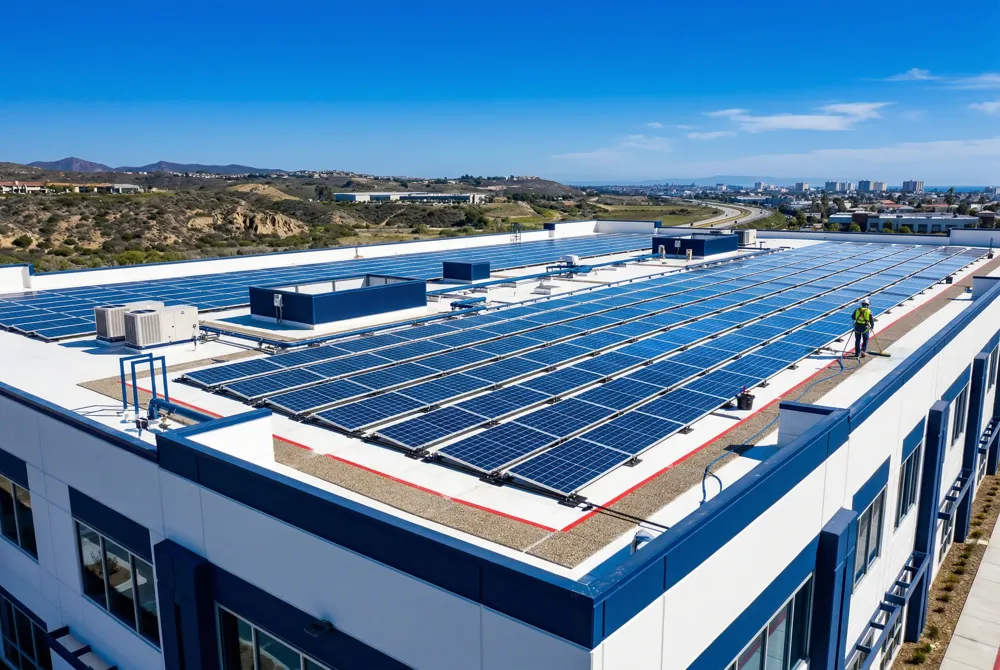
Robotic cleaning systems boost energy efficiency by keeping photovoltaic surfaces free of dust, pollen, bird droppings and marine salt.
Studies from NREL and field trials in Goleta and desert sites show that soiling can cut output 5‑30 %; robots typically restore 95‑99 % of original performance, translating into a 5‑15 % annual energy gain for most installations.

A major advantage is the water‑less or low‑water design. Dry‑brush or air‑blowing robots such as Ecoppia and Airtouch eliminate up to 90 % of the water used by traditional hose‑based cleaning, a crucial benefit in water‑restricted regions like Santa Barbara County.
Labor costs and safety risks also shrink dramatically. Robots operate autonomously during night or low‑peak hours, cutting cleaning labor hours by 70‑90 % and removing the need for workers to climb ladders—OSHA reports over 300,000 roof‑fall injuries annually.
The downside is a higher upfront capital outlay. Commercial‑grade units range from $15,000 to $50,000, with payback periods of 2‑5 years depending on system size, soiling rates and electricity prices.
Finally, some models still need supervision and are less suitable for extremely soiled panels, steep or uneven roofs, or installations with complex geometry. Hybrid or AI‑enabled robots are emerging to address these limits, but owners must assess site conditions before committing.
Local Spotlight: Goleta’s Climate and the Need for Robots
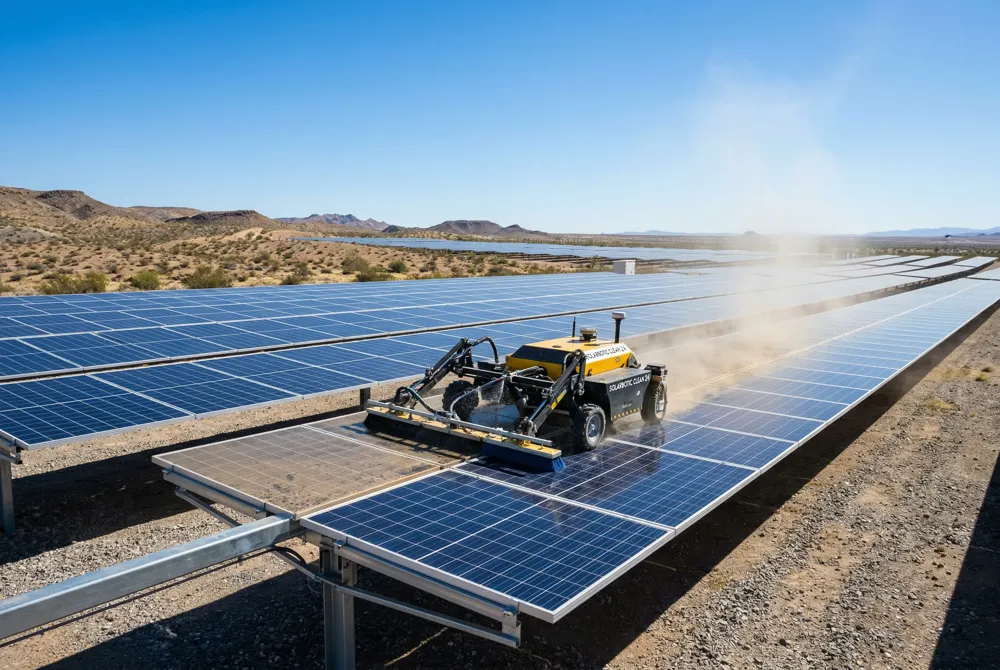
Goleta’s Mediterranean climate delivers more than 300 sunny days per year, making solar installations highly productive but also exposing panels to relentless dust, pollen and sea‑salt aerosol from the nearby Pacific Ocean. The combination of dry summer winds and coastal salt can create a thin, abrasive film that reduces panel efficiency by 5‑25% if left unchecked. At the same time, Santa Barbara County’s water‑conservation ordinances discourage high‑volume hose cleaning, prompting many owners to seek low‑water or water‑free solutions.

Best‑practice maintenance schedule
- Quarterly soft‑wash or low‑pressure rinse – Perform a gentle cleaning after the dry summer months and again after the winter rains to remove accumulated dust and salt without harming the glass or anti‑reflective coatings. 2. Monthly visual inspection – Check for shading, cracked modules, loose wiring, or debris that could cause hotspots. 3. Annual professional audit – Have a certified installer verify mounting integrity and warranty compliance.
Why robots are a perfect fit
Robotic cleaners such as Ecoppia’s water‑free units or IFBOT’s lightweight dry‑brush models operate autonomously during night or low‑sunlight hours, eliminating downtime and reducing labor costs by up to 80%. Their soft‑brush or microfiber pads remove dust while using up to 90% less water than traditional hose methods, aligning with local water‑saving mandates. In Goleta, a robot can be scheduled to clean panels 2‑4 times a year, matching the recommended maintenance cadence and keeping energy output within 99‑100% of optimal levels.
Answers to common homeowner questions
- Best solar panel maintenance Goleta – Combine eco‑friendly soft‑wash cleaning (twice yearly) with regular visual checks and an annual professional audit. Use a reputable exterior‑cleaning service that understands solar‑panel fragility to protect warranties and curb appeal.
- Tesla solar panel maintenance Goleta – Tesla panels require minimal upkeep, but a gentle low‑pressure rinse once or twice a year helps remove sea‑salt residue. Pair this with an annual visual inspection and, if needed, a local specialist for thorough cleaning without voiding the 25‑year warranty.
By integrating robotic cleaning into this schedule, Goleta property owners can maximize energy production, extend panel lifespan, and stay compliant with water‑conservation regulations—all while preserving the aesthetic value of their homes.
Future Innovations: AI, Power, and Fleet Management
Next‑generation solar‑panel cleaning robots will rely on AI/ML‑driven dirt detection, allowing the system to scan each module, quantify soiling, and trigger cleaning only where needed. This precision reduces energy use and extends robot life. Self‑sustaining designs will embed high‑efficiency solar panels on the robot chassis, pairing them with advanced batteries so the unit can recharge while working under sunlight, eliminating frequent dock‑cycle downtime. Enhanced sensor suites—LiDAR for 3‑D mapping, infrared for temperature differentials, and ultrasonic for obstacle avoidance—will enable safe navigation across steep or uneven arrays and detect micro‑scratches before they worsen. Hybrid dry‑wet mechanisms will combine low‑pressure mist sprays with microfiber brushes, offering the flexibility to tackle heavy bird droppings or salt residues without wasting water. Finally, cloud‑based fleet management platforms will coordinate multiple robots, schedule cleanings during low‑peak hours, and adapt to real‑time weather forecasts, delivering uninterrupted power output and maximizing ROI.

Embracing Robotics for a Cleaner, More Profitable Solar Future
Solar‑panel cleaning robots keep arrays operating near peak performance, raising energy output by 5‑15 % and cutting labor costs up to 80 %. Their water‑free or low‑water brushes conserve precious California water and eliminate the safety hazards of rooftop climbs, reducing fall‑related injuries. In Goleta’s sunny, coastal climate, dust and sea‑salt aerosol can shave 10‑25 % off production; a robot or a professional soft‑wash schedule restores that loss, extending panel life and protecting warranties. Homeowners can achieve consistent cleanliness without manual effort, while local firms such as Goleta Home Services provide expert soft‑wash cleaning, battery, recycling and monitoring. Choose robotics or trusted soft‑wash to maximize savings, safety and curb appeal for today homeowners.