


Why Deep Cleaning Matters in Santa Barbara
Santa Barbara’s Mediterranean climate brings warm days, high humidity, and salty sea breezes that accelerate algae, moss, and mineral buildup on patio surfaces. Mold and moss thrive in the lingering moisture, while salt residue from ocean spray can corrode concrete, brick, and natural stone, leading to slippery spots and surface erosion. Regular deep cleaning removes these contaminants before they embed, preserving the material’s integrity and preventing costly repairs. Professional pressure‑washing or soft‑washing services in the area use calibrated PSI levels—2,000–3,000 psi for sturdy concrete and brick, and ≤ 500 psi with biodegradable detergents for delicate stone—to achieve a thorough clean without surface damage. Eco‑friendly solutions such as citrus‑based degreasers or vinegar‑water blends protect nearby plants and comply with California’s water‑quality regulations. By scheduling annual cleanings, homeowners maintain curb appeal, extend patio lifespan, and protect property value in the Barbara’s coastal environment. In addition, a post‑clean sealant applied by professionals locks out moisture and reduces future staining, further enhancing durability.
Best Electric Pressure Washer for Goleta Homeowners
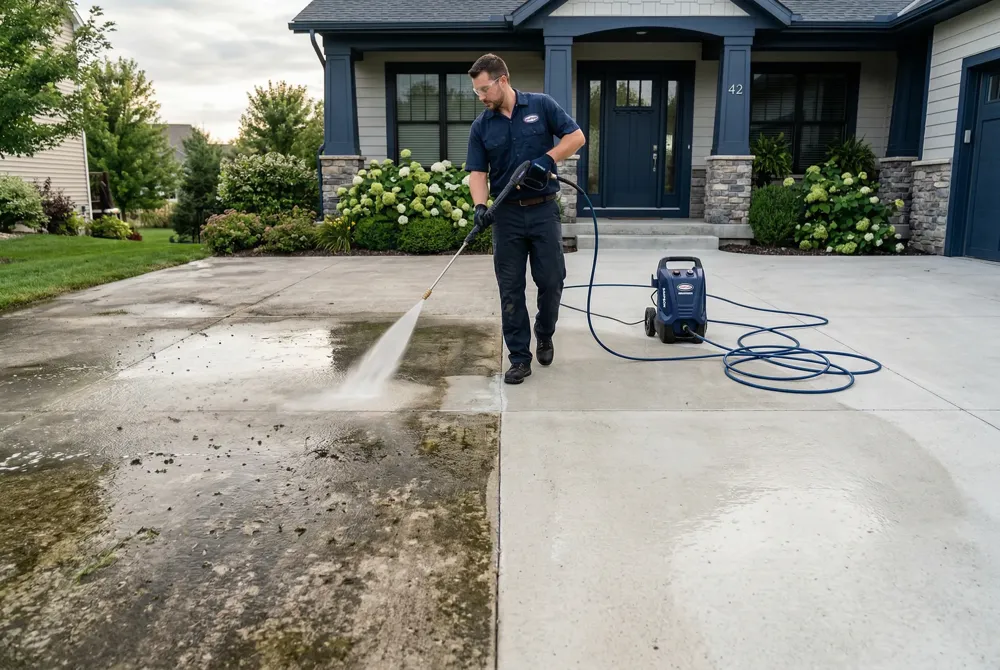
Goleta homeowners looking for a reliable, high‑performance electric pressure washer should consider the Sun Joe SPX3000. This unit delivers 2,030 psi and 1.2 gpm, providing enough cleaning power to tackle concrete, brick, paver, and natural‑stone patios without the noise and emissions of a gas‑powered washer. Its lightweight 31‑lb frame and integrated hose reel make it easy to maneuver across uneven patio terrain, while the 25° fan, turbo, and rotary nozzles let you adjust pressure for delicate surfaces such as natural stone or more stubborn grime on concrete. The on‑board detergent tank and soap‑dispensing feature enable eco‑friendly cleaning with biodegradable detergents, reducing chemical runoff and protecting Santa Barbara’s coastal vegetation. Because it runs on electricity, the SPX3000 eliminates exhaust fumes, complies with local air‑quality regulations, and offers quieter operation for residential neighborhoods. Regular use, combined with proper rinsing and a post‑clean sealant, extends patio lifespan, preserves curb appeal, and helps maintain property value in the Goleta area.
How to Clean Patio Stones Naturally
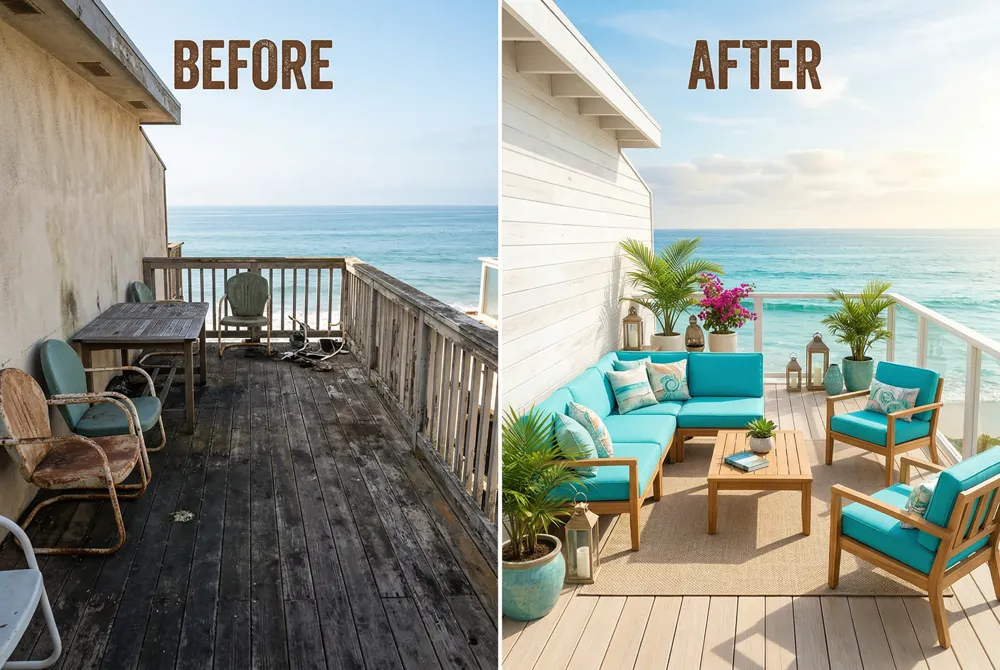
Start by sweeping the patio to clear loose dirt, leaves, and debris; a simple broom or leaf‑blower will prevent grit from scratching the stone during cleaning. Next, prepare an eco‑friendly vinegar‑water solution – mix equal parts white vinegar and warm water – and spray it generously over the surface, allowing it to sit for 10‑15 minutes to loosen moss, algae, and grime. Using a stiff‑bristled brush (or a natural‑bristle deck brush, scrub the stones, paying special attention to the joints where organic growth often hides. For stubborn spots, sprinkle a light layer of baking soda on the damp stone and scrub again; the mild abrasive lifts stains without harming the stone or nearby plants. Rinse the entire area thoroughly with a garden hose, ensuring all vinegar and baking‑soda residues are washed away to protect pets and vegetation. Finally, let the patio air‑dry completely before returning furniture or planters. Repeating this routine every few months maintains a fresh appearance, prevents slip hazards, and extends the lifespan of natural‑stone patios.
Soft‑Wash Chemicals and Cost Overview
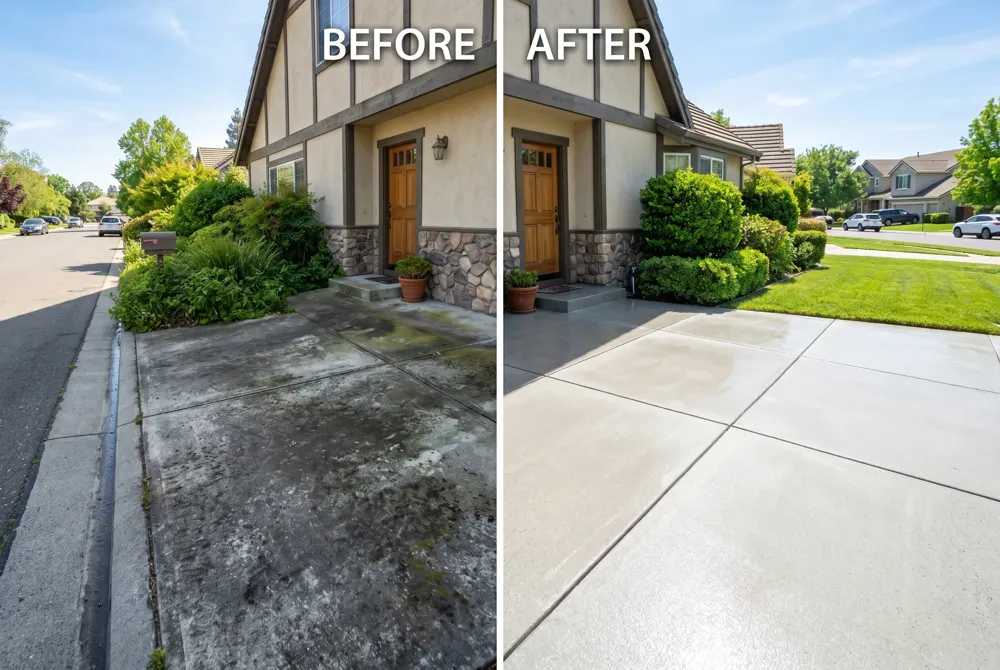
Soft‑washing relies on a carefully balanced mix of chemicals that clean effectively while protecting delicate surfaces and surrounding vegetation.
Sodium hypochlorite concentration – Professional‑grade bleach is diluted to 3‑5 % active chlorine (about 1 part bleach to 20‑30 parts water) to kill algae, mold, moss and mildew without etching stone or brick.
Surfactant role – A biodegradable surfactant lowers water tension, allowing the diluted bleach to cling to vertical and porous areas and lift grime for easier rinsing.
Odor‑masking agents – Light fragrance or odor‑masking additives keep the bleach smell pleasant for occupants and pets during application.
Algaecide additives – Copper‑based algaecides or other mild biocides are often blended in to provide residual protection against future growth.
Neutralizing rinse – After the dwell time (10‑15 minutes), a neutralizing rinse—typically a weak acidic solution such as diluted vinegar—counteracts residual alkalinity and protects plants.
Pricing range in Santa Barbara – A typical two‑story home soft‑wash costs $450‑$1,000; smaller homes start near $350, while larger or steep‑roofed properties can exceed $1,200. Prices reflect surface size, growth severity, and any plant‑protective measures. Professional services like Goleta Home Services provide detailed estimates, ensuring transparent costs and reliable results.
Best Gas Pressure Washer with Honda Engine
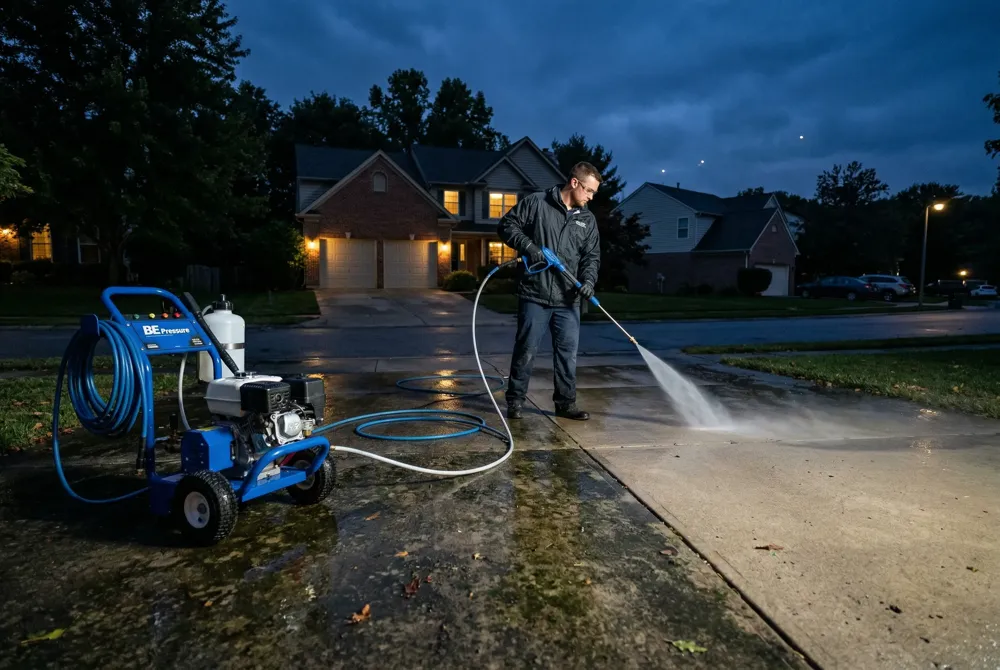
For property owners in Goleta and the broader Santa Barbara County looking for a reliable, high‑performance gas pressure washer, the Simpson PowerShot series with a Honda engine tops the list. The Simpson PS3228 PowerShot, equipped with a Honda GX200 engine, delivers 3,300 PSI at 2.5 GPM—enough power to blast away embedded grime from concrete patios, brick pavers, and natural‑stone walkways without sacrificing surface integrity. Its cold‑water pump resists corrosion from coastal salt air, and the durable aluminum frame handles the frequent moves required on uneven terrain. For even larger jobs, the Simpson 4200 PowerShot pairs a Honda GX390 engine with 4,200 PSI and 4.0 GPM, ideal for extensive roof, gutter, and commercial‑scale cleaning. Both models feature interchangeable nozzle kits, allowing users to switch between a 25° fan for broad coverage and a rotary turbo for stubborn stains. The Honda engine’s quick‑start capability and long‑life reliability make these units the go‑to choice for professional exterior‑cleaning services and DIY homeowners seeking consistent, eco‑friendly results.
How Powerful Should a Pressure Washer Be for a Patio?
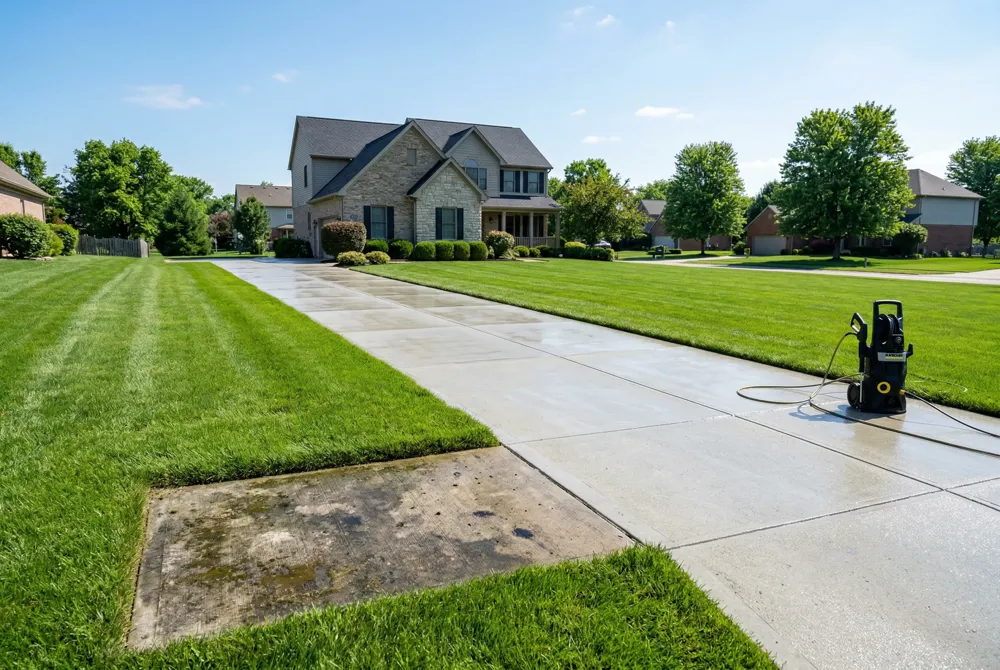
A patio cleaning job typically requires a pressure washer that delivers between 1,500 and 2,000 PSI (≈ 100–130 bar) with a flow rate of 1.5‑2.0 GPM. Lightly soiled natural stone or paver surfaces do fine at the lower end of that range (about 1,300‑1,400 PSI) to lift dirt without etching. Stubborn algae, oil stains, or deep‑set grime benefit from bumping the pressure up to 2,000 PSI, which remains safe for most concrete and stone. Flow rate matters: a medium‑flow nozzle (≈1.5 GPM) supplies enough water to rinse debris without over‑watering nearby plants. Material‑specific guidelines dictate lower pressures for porous stone (≤1,500 PSI) and higher pressures for robust concrete (up to 2,500 PSI). Choose the appropriate nozzle— a 25° fan for broad coverage, a 15° or rotary nozzle for stubborn spots, and a low‑pressure foam or soap nozzle for detergent application. Pair the right PSI with a gentle spray pattern and an eco‑friendly detergent for a spotless, protected patio.
Turning a Pressure Washer Into a Soft‑Wash System for Patios

Safety and plant protection are critical: pre‑wet surrounding plants, cover sensitive vegetation with tarps, and use a neutralizing rinse (e.g., dilute vinegar) after the dwell time. This prevents chemical runoff and protects the coastal flora of Santa Barbara County.
Can I use my pressure washer as a soft‑wash system? Yes. By adding a low‑pressure nozzle and a downstream injector, you achieve an eco‑friendly soft‑wash that works on patios, roofs, and siding.
Can you soft wash a patio? Absolutely. Low‑pressure water combined with a biodegradable cleaner removes algae, moss, and grease without etching stone, brick, or concrete, while proper plant protection safeguards the landscape.
Is 3000 PSI Too Much for a Deck?
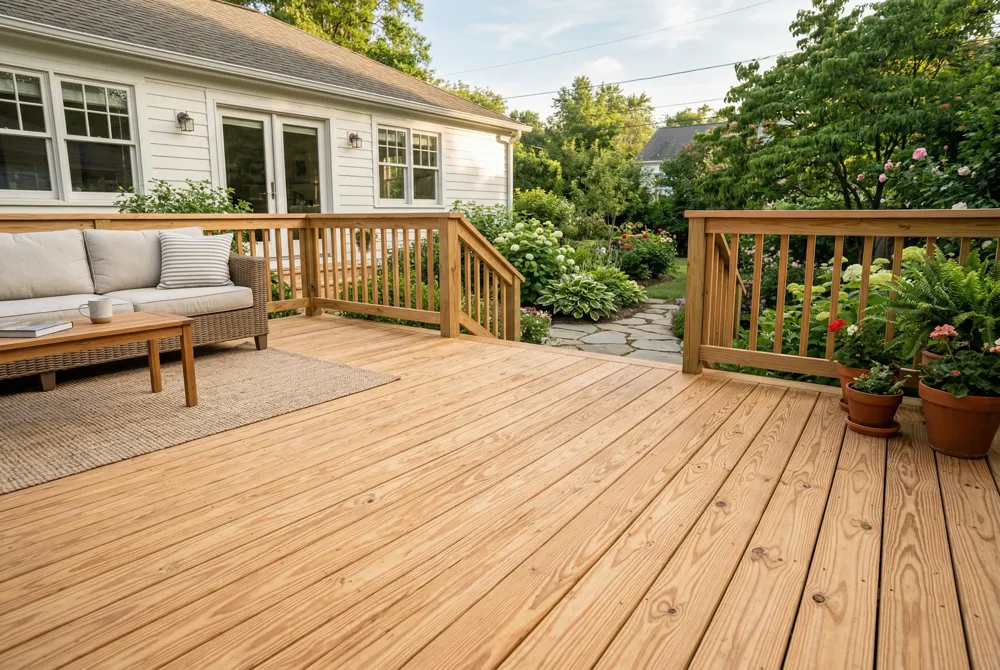
A 3000 PSI pressure washer is generally too much for a wood deck, as it can strip paint or stain and even damage the wood fibers. For most residential decks, stay at or below 2500 PSI (≈170 bar) and begin with a low setting around 1800 PSI, gradually increasing only if needed. Use a wide‑fan nozzle and keep the wand a few feet away, moving it continuously to avoid gouging the wood.
Deck material sensitivity matters: soft‑wood boards and old paint are especially vulnerable, while hardwoods tolerate slightly higher pressures. Composite decking is more robust but still benefits from a gentle approach; a fan tip at 1500‑2000 PSI prevents surface erosion and protects the protective coating.
Nozzle type and distance are critical: a 25° or 40° fan nozzle spreads the water evenly, and maintaining at least 10‑12 inches from the surface reduces impact force.
Always test a small inconspicuous area first and follow the washer’s manual. Proper technique preserves the deck’s appearance, extends its lifespan, and maintains curb appeal.
Are Westinghouse Pressure Washers Any Good?

Westinghouse pressure washers are a solid choice for most Goleta homeowners and small‑business owners. Their electric models, such as the Westinghouse ePX3500, weigh only 19 lb, deliver up to 2,500 psi and 1.06 gpm, and include a built‑in soap tank and multiple nozzle options, making setup, storage, and maneuverability easy on residential decks, patios, and fences. The gas‑powered Westinghouse WPX3200 steps up to 2,600 psi with a 2.3 gpm flow, offering the cleaning power and durability needed for heavy grime on concrete or stone surfaces, though it is heavier and louder than electric units. Compared with gas models, electric washers are quieter, emit no exhaust, and are more eco‑friendly—important in Santa Barbara County’s environmental regulations. For routine exterior cleaning—sweeping off debris, removing moss, or occasional spot‑treatments—Westinghouse provides reliable performance at a reasonable price, delivering excellent value for residential projects while still handling tougher jobs when needed.
Regular Patio Maintenance and Eco‑Friendly Best Practices
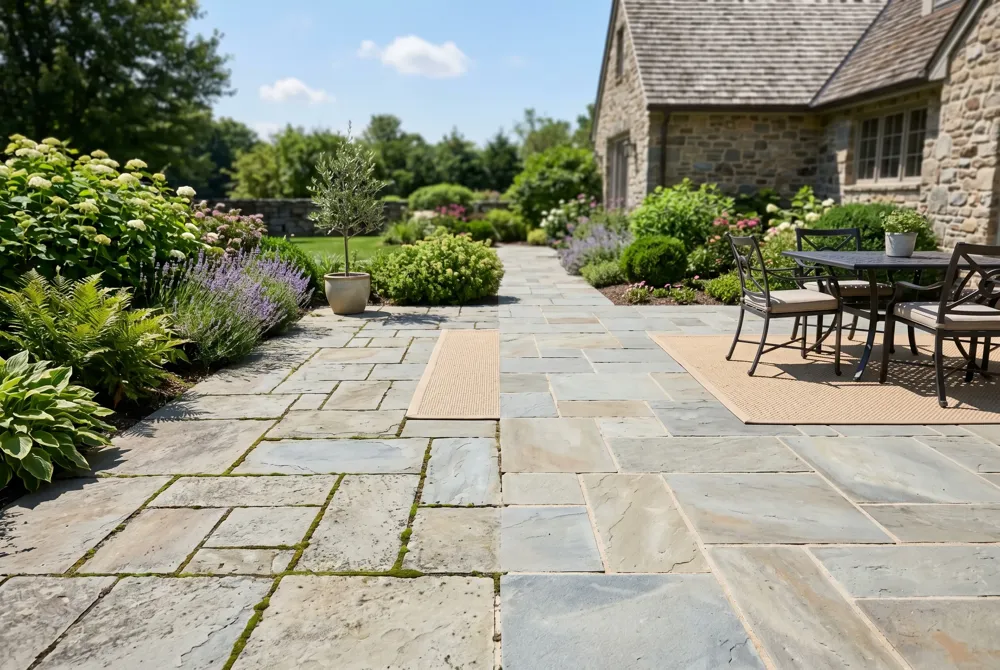
In Santa Barbara County’s Mediterranean climate, the most effective patio‑maintenance plan combines seasonal deep‑cleaning, joint‑sand replenishment, sealant application, eco‑friendly detergents, and water‑conservation techniques.
How often should I deep clean my patio? Professional cleaning is a cornerstone of preventative home care. For high‑traffic concrete or brick patios, schedule deep cleans twice a year—early spring and fall—when rain‑driven algae, moss, and salty sea‑spray are most prevalent. Natural‑stone and paver surfaces benefit from quarterly light rinses plus an annual deep clean. After each deep clean, re‑sand paver joints to restore stability and prevent weed intrusion.
Apply a breathable, UV‑resistant sealant once the surface is fully dry; this creates a barrier that repels water, inhibits mold growth, and eases future cleaning. Choose biodegradable detergents (e.g., citrus‑based or soy‑derived) and low‑pressure soft‑wash methods to protect surrounding vegetation and conserve water. Regular sweeping and quick hose‑downs after rain further prevent mold, algae, and salt buildup, preserving curb appeal and extending the patio’s lifespan.
Maintain Your Patio All Year Round
A consistent cleaning routine—sweeping, spot‑treating stains, and a quick hose‑down after rain—keeps moss, algae and and debris from building up on concrete, brick, stone or paver patios. Using eco‑friendly products such as biodegradable surfactants, citrus‑based degreasers, or a mild vinegar‑water solution protects nearby plants, pets and Santa Barbara’s coastal waterways while still delivering strong stain removal. Once the surface is fully clean and dry, a professional sealant service applies a breathable, UV‑resistant coating that locks out moisture, prevents salt‑air corrosion and reduces future cleaning frequency. Goleta Home Services brings local expertise to every job: technicians understand the Mediterranean climate, salty sea‑spray, and county environmental regulations, ensuring the right pressure, low‑pressure soft‑wash, or cleaning agent is used for each patio material. The result is a durable, attractive outdoor space that retains curb appeal and property value year after year.