


Why the Right Cleaning Technique Matters
Santa Barbara’s Mediterranean climate—wet winters, dry summers, salty sea breezes, and occasional fog—creates a perfect breeding ground for algae, moss, mold and lichens on roofs, stucco, vinyl siding and wood decks. When organic growth is left unchecked it traps moisture, accelerates paint failure and can void roof warranties. Selecting the proper cleaning method therefore balances three critical factors:
Effectiveness vs. Safety – Low‑pressure soft‑washing (150‑300 PSI) paired with biodegradable biocides chemically breaks down the root cause of growth, delivering results that can last 3‑5 times longer than a high‑pressure rinse. High‑pressure washing (1,500‑4,000 PSI) is excellent for concrete driveways or stone patios but can strip paint, erode mortar, or crack delicate roofing shingles. The safest approach is to use soft‑wash on porous or painted surfaces and reserve pressure‑wash for hard, non‑porous substrates.
Cost Considerations – Soft‑wash typically costs 15‑25 % more per square foot because specialized chemicals and trained technicians are required, but the extended service interval (12‑18 months for roofs versus 3‑6 months for pressure‑washed concrete) reduces overall maintenance expenses. A hybrid service—soft‑wash for the roof and façade, pressure‑wash for the driveway—optimizes budget while preserving material integrity.
Local Regulations & Eco‑Friendly Practices – California’s runoff and Proposition 65 rules restrict chlorine concentrations and require neutralizers to protect nearby landscaping and marine waterways. Professional soft‑washing firms in Goleta and Santa Barbara County use biodegradable surfactants, low‑toxicity sodiumhypochlorite (≤ 5 %) and water‑recovery systems that can capture up to 80 % of runoff, complying with municipal water‑conservation mandates. Choosing a certified provider not only safeguards the environment but also ensures the cleaning agents are safe for pets, plants and residents.
By understanding climate‑driven growth patterns, weighing efficacy against surface safety, and adhering to local eco‑standards, property owners can preserve curb appeal, extend the lifespan of exterior materials and protect property value.
Understanding the Core Differences: Power Washing, Pressure Washing, and Soft Washing
Definitions
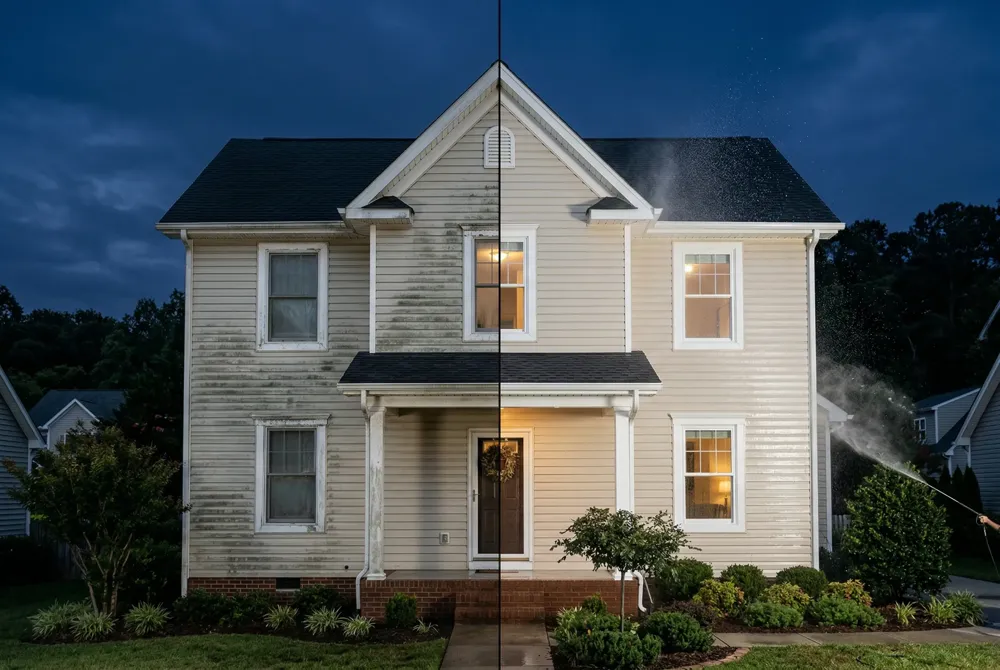
Power washing uses heated water (often up to 311 °F) to dissolve grease and stubborn stains, while pressure washing relies on cold water and pure kinetic energy. Soft washing combines a gentle spray (≤ 500 psi) with biodegradable cleaning solutions to break down and kill organic growth.
Water temperature and chemical use
Power washers add hot water to accelerate chemical action, typically using surfactants, bleach, or algaecides. Pressure washers may use detergents, but the cleaning is driven mainly by pressure. Soft washing employs low‑temperature water and a low‑toxicity bleach‑based biocide that sanitizes surfaces without harming plants or pets.
Typical pressure ranges
- Power washing: 1,300–3,000 psi (hot water).
- Pressure washing: 1,500–4,400 psi (cold water).
- Soft washing: 150–300 psi, high water volume (> 6 GPM).
Power washing vs pressure washing
The terms are often used interchangeably, but there is a subtle difference. Power washing usually refers to a system that heats the water before it exits the nozzle, helping to break down grease, oil, and stubborn stains. Pressure washing uses cold water and relies solely on the force of the water stream. Both can clean surfaces effectively, while soft washing combines low‑pressure water with specially formulated cleaning solutions to safely remove algae, mold, and mildews.
What is soft washing?
Soft washing is a low‑pressure cleaning technique—typically under 500 psi—that combines a gentle water spray with biodegradable, bleach‑based solutions to dissolve and kill algae, mold, mildew, moss and other organic stains on roofs, siding, decks and other exterior surfaces. Because the pressure is far lower than traditional pressure washing, soft washing protects delicate materials such as shingles, painted wood, and soft masonry from damage and from voiding manufacturer warranties.
Cost Comparison: Soft Washing vs Pressure Washing
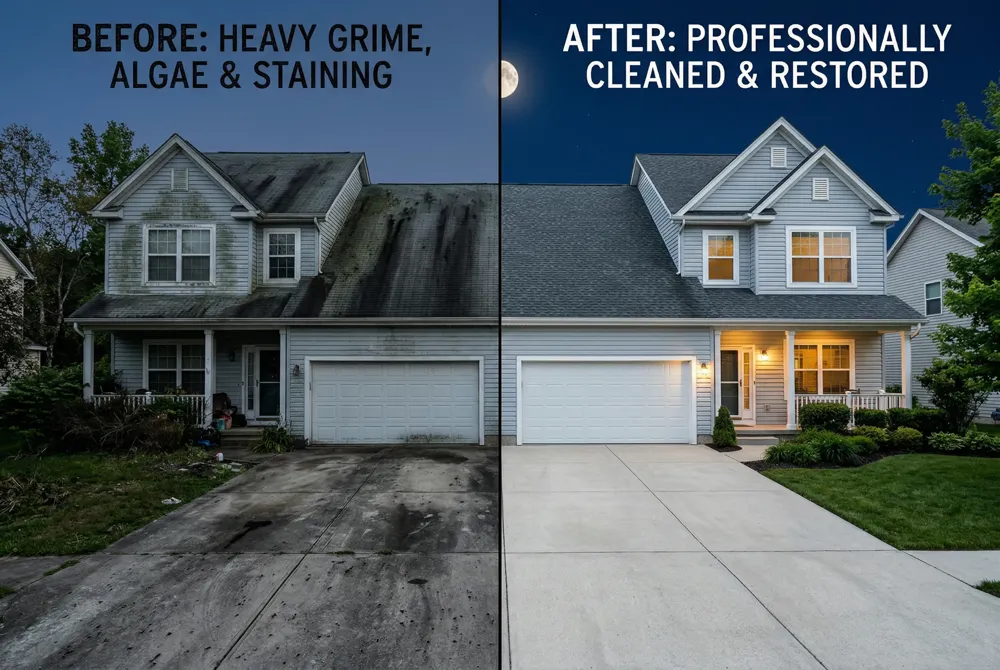
Soft washing is generally priced at $0.30–$0.80 per square foot, whereas pressure washing runs $0.20–$0.50 per square foot. For a 2,000‑sq‑ft home in Santa Barbara, soft washing costs roughly $600–$1,600, while pressure washing is $400–$1,000. The higher soft‑wash price reflects the use of biodegradable chemicals, low‑pressure equipment, and longer dwell times needed to protect delicate surfaces such as roofs, painted siding, and wood decks.
Typical cost ranges for a whole‑house soft wash in the area are $450–$850, with larger or two‑story homes with steep roofs pushing the bill toward $1,000. A 1,500‑sq‑ft house usually falls between $450 and $750, translating to $0.30–$0.80 per foot, depending on roof pitch, algae load, and any add‑ons like gutter cleaning.
Factors driving price differences include surface material (delicate vs. hard), required chemical formulations, equipment complexity (low‑volume, high‑volume pumps), labor time, and local environmental regulations that mandate biodegradable, low‑runoff solutions. These variables explain why soft washing, while slightly more expensive, offers longer‑lasting results and better protection for vulnerable façade components.
Pricing Pressure‑Washing Services
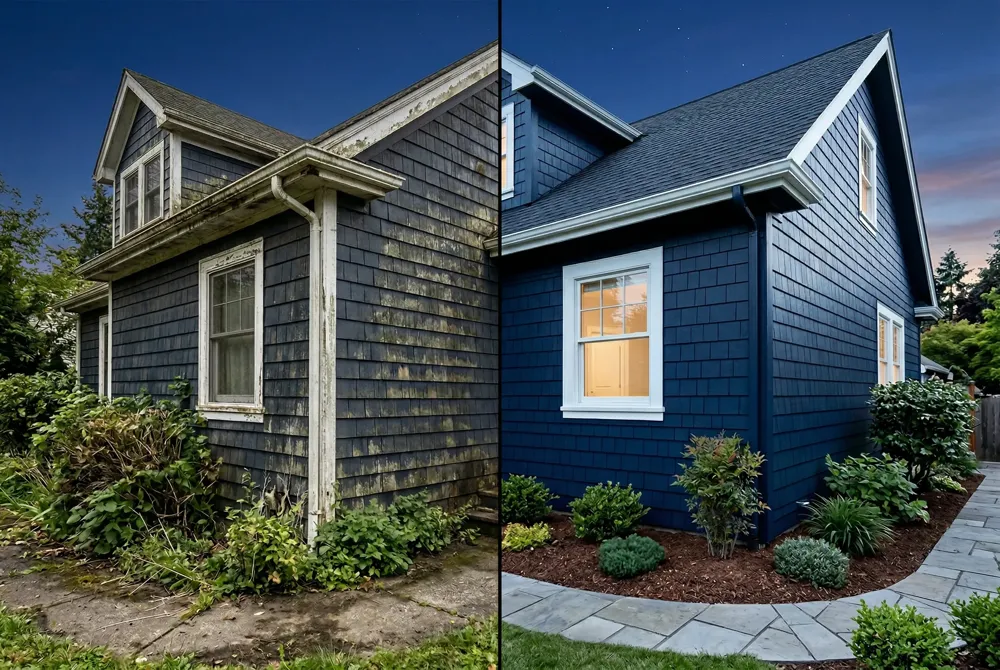
Standard rates for siding and exterior surfaces – In Santa Barbara County most pros charge $0.25‑$0.45 per square foot for a basic house‑wash on siding, stucco, or painted wood. This translates to $500‑$900 for a 2,000 sq ft home, depending on surface dirtiness and accessibility.
Add‑ons for gutters, roofs, and steep decks – Gutter cleaning, roof‑top soft‑wash, or steep‑deck access typically adds $0.05‑$0.10 per sq ft or a flat $100‑$150 surcharge per service. Roof moss removal often includes a biodegradable biocide, which may be quoted separately.
How contractors arrive at a final quote – Professionals assess the square footage, material type, level of grime, and any special equipment needed (e.g., lift trucks for high roofs). They then apply the base rate, factor in add‑ons, and provide a written estimate that includes labor, chemicals, and disposal fees.
Answer to the common question – For a 2,000 sq ft house, expect a total cost of roughly $600‑$1,050 when standard siding cleaning and typical add‑ons are included.
Chemical Formulations and Environmental Impact
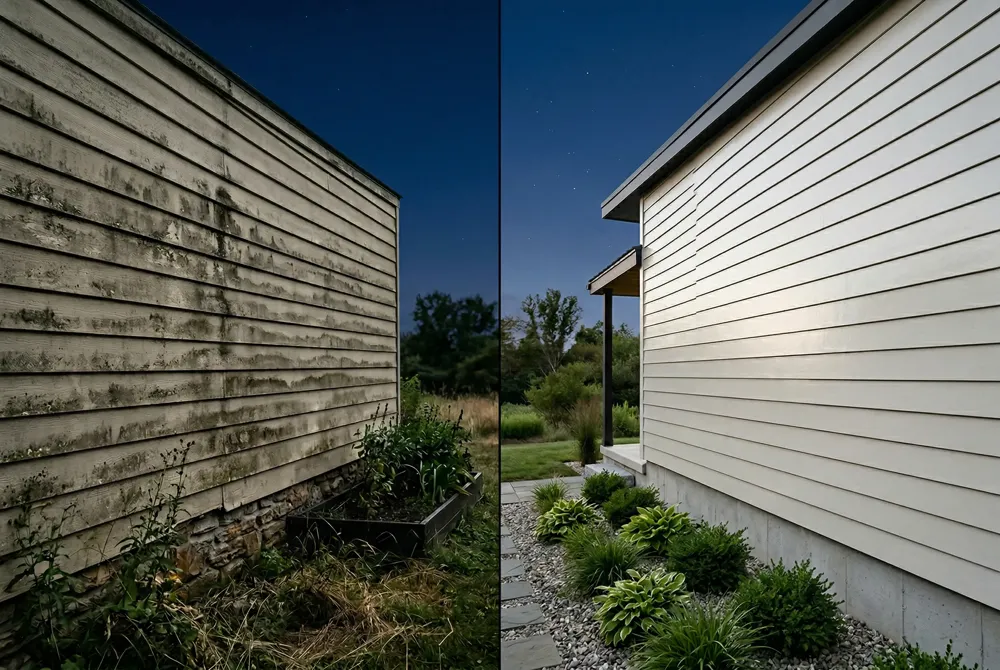
Soft‑wash solutions rely on a blend of low‑pressure‑compatible chemicals rather than just water. The primary active ingredient is sodium hypochlorite (bleach) at a 3‑5 % concentration, which kills algae, mold, mildew, moss and lichen. Biodegradable surfactants are added to make the bleach cling to roofs or siding and lift grime, while odor‑masking agents keep the scent customer‑friendly. After the dwell time a neutralizer—often a plant‑protectant or mild acid rinse—is applied to protect landscaping, metal fixtures and surrounding surfaces. Professional teams in Santa Barbara use EPA‑approved, environmentally‑safe formulations and rinse with low‑pressure water to preserve both property and the local ecosystem.
California does not prohibit power‑washing, but the state’s Clean Water Act and local ordinances forbid letting wash water flow into storm‑drain systems untreated. Runoff must be captured, filtered, or redirected to a sanitary sewer to prevent pollutants from entering creeks, rivers, or the ocean. To stay compliant, contractors employ water‑recovery systems, broom‑and‑pan clean‑up, or ensure proper disposal of runoff.
Pros, Cons, and When to Use Each Method
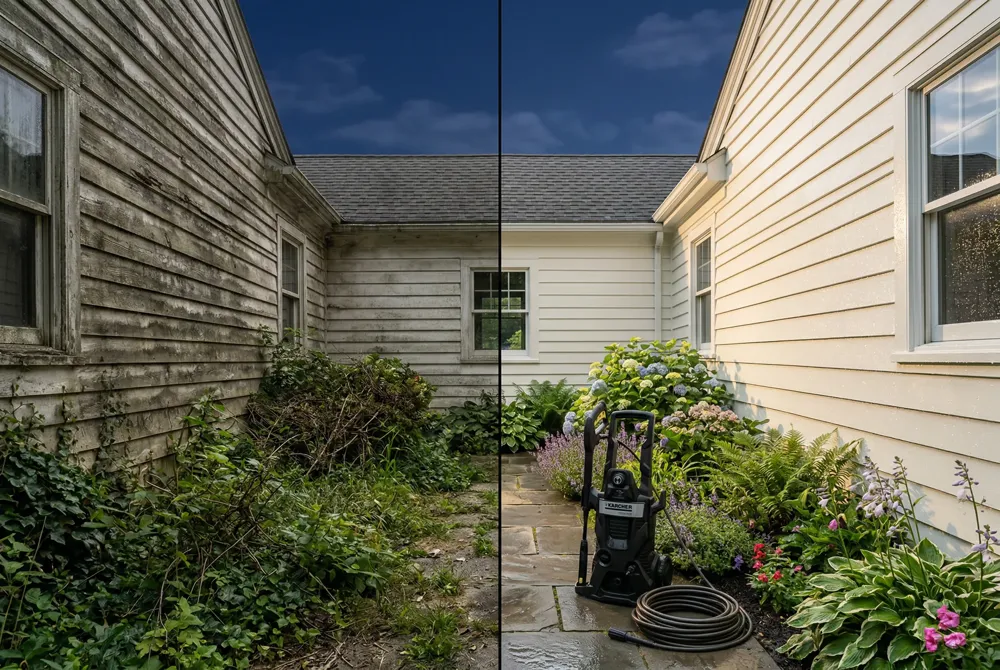
Soft washing uses low pressure (150‑300 psi) and biodegradable chemicals to dissolve algae, moss, mildew, and organic stains. It protects delicate roofs, stucco, vinyl siding, and painted trim, and the biocide effect can keep surfaces clean 3‑5 times longer. The trade‑off is a longer dwell time, the need for proper chemical handling, and a slightly higher cost. Pressure washing delivers high pressure (1,300‑3,100 psi) to blast away grit, oil, rust, and hard‑to‑remove stains on hard, non‑porous surfaces such as concrete driveways, stone patios, and metal railings. It is fast and inexpensive but can strip paint, erode wood, or force water into seams, causing damage on softer materials.
For delicate façades, a medium‑bristle brush with a garden hose is safest; high‑pressure jets can chip or pry seams apart. Vinyl, aluminum, or wood siding may tolerate modest pressure (<1,500 psi) after a low‑pressure rinse, but a brush remains the most forgiving option.
Soft washing can be performed with a pressure washer by dialing the unit down to ≤300 psi and using a low‑pressure nozzle or foam‑cannon tip with a biodegradable detergent injector. This hybrid approach lets the chemistry do the work while the gentle spray protects vulnerable surfaces.
Industry data show that 50‑60 % of pressure‑washing businesses fail within three years, largely due to low entry barriers, seasonal demand, and intense competition.
Real‑World Case Studies and Best‑Fit Scenarios for Santa Barbara Homeowners
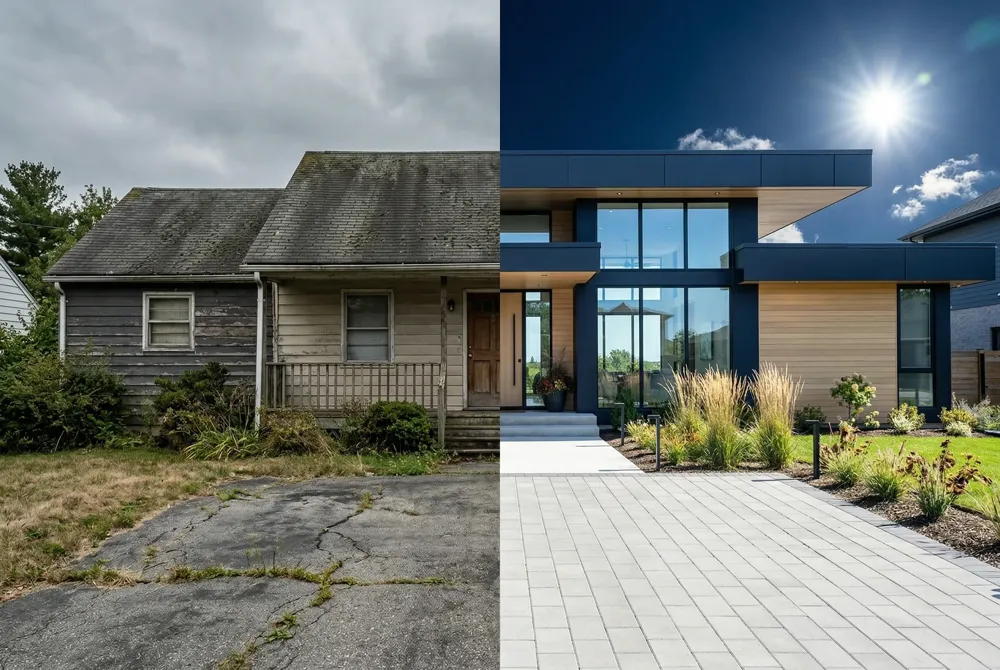
Roof algae removal on a 2,500‑sq‑ft home – Soft washing uses low pressure (150–300 PSI) with biodegradable cleaning agents to remove organic stains from roofs, siding, stucco, and outdoor furniture eliminated 95 % of algae within 30 days, preserving shingle integrity and extending roof life by 4‑6 years. Homeowners report the clean appearance lasting 12‑18 months, reducing the need for frequent re‑cleaning.
Concrete driveway cleaning on a commercial lot – Pressure washing uses high‑pressure water (1,500–4,000 PSI) to blast grime removed oil stains and tire‑track grime from a 10,000‑sq‑ft parking area in three hours. A water‑recovery system captured 80 % of runoff, meeting Santa Barbara’s drought‑mitigation regulations and restoring slip resistance.
Water‑conservation benefits of soft washing – Soft washing uses low‑pressure water and chemicals to loosen organic growth while protecting substrates consuming up to 80 % less water than traditional pressure washing. A 2,500‑sq‑ft roof required only 150 gallons versus 800 gallons with high‑pressure methods, aligning with local water‑use limits.
Hybrid approach for mixed‑material properties – Combining soft washing uses low‑pressure water (<500 PSI) with biodegradable solutions for roofs, stucco, and painted siding with pressure washing for driveways and stone patios delivers comprehensive curb‑appeal while protecting delicate surfaces.
Is soft wash worth the money? Absolutely. Soft washing protects roofs from water intrusion while preserving roofing materials boosts curb appeal, kills mold and algae at the source, and prevents premature aging of roofing, siding, and paint. In Santa Barbara, a single treatment can keep a roof clean for 12‑18 months, extending shingle life by 4‑6 years and saving several hundred dollars in future repairs.
Making the Smart Choice for Your Property
Choosing the right exterior‑cleaning method starts with matching the technique to the substrate and its current condition. Low‑pressure soft‑wash (150‑500 PSI) with biodegradable biocides is ideal for delicate surfaces—roof shingles, stucco, vinyl siding, and painted wood—because it dissolves algae, moss and mold without eroding paint or mortar. High‑pressure washing (1,500‑4,000 PSI) should be reserved for hard, non‑porous materials such as concrete driveways, stone patios and metal railings, where mechanical force removes stubborn grime quickly.
While soft‑washing often carries a modest premium due to specialized chemicals and equipment, it provides longer‑lasting protection; biocide residues can keep organic growth at bay for 12‑18 months, reducing the frequency of repeat services and extending material life. In contrast, pressure washing may need more frequent re‑cleaning, especially on roofs, leading to higher long‑term costs.
Leverage local expertise in Santa Barbara County—companies familiar with the Mediterranean climate, strict runoff regulations, and drought‑conservation goals. Professionals use EPA‑approved, plant‑safe detergents, water‑recycling systems, and low‑emission equipment, ensuring eco‑friendly results that preserve curb appeal and property value.