


Introduction to Solar Panel Care
Importance of solar panel cleaning
Keeping solar panels clean is vital for maintaining their efficiency and maximizing energy output. Dirt, dust, bird droppings, leaves, and other debris can significantly reduce the amount of sunlight captured, leading to a decrease in power production by up to 25%. Regular cleaning not only boosts performance but also helps prevent potential damage such as hot spots or physical wear, extending the panels’ lifespan and protecting your investment.
Overview of solar panel maintenance frequency
Generally, solar panels should be cleaned at least twice per year to ensure optimal function. In less dusty or polluted areas, bi-annual cleanings usually suffice, especially following seasonal changes like spring pollen or autumn leaf fall. However, more frequent cleaning—every three to four months—is beneficial in environments that experience higher levels of dust, pollen, or bird activity.
Impact of environmental factors on cleaning needs
Environmental conditions heavily influence how often solar panels require maintenance. Areas with heavy dust, pollution, or abundant trees may need quarterly cleaning to combat grime buildup and droppings. Rain can assist by washing away some loose dirt, but it often leaves residues behind, making manual or professional cleaning necessary for thorough maintenance. Furthermore, panels mounted at steeper angles tend to shed dirt more easily, slightly reducing cleaning frequency compared to flat installations.
How Often Should Solar Panels Be Cleaned?
Recommended cleaning frequency
Solar panels should typically be cleaned at least twice a year to maintain peak performance. This biannual schedule helps remove dust, dirt, leaves, and bird droppings that can obstruct sunlight, reducing energy output by up to 20%. However, cleaning frequency for solar panels can vary depending on environmental conditions.
Adjusting frequency based on environment
In dusty, polluted, or pollen-rich areas, such as certain parts of California or urban settings, panels may need solar panel cleaning in dusty environments every three to four months or even more frequently. Conversely, in wet climates where regular rainfall naturally washes away loose debris, natural cleaning with rain once or twice a year or following seasonal changes may suffice. Panel tilt also influences cleaning needs; steeper angles help shed dirt better than flat installations, reducing cleaning frequency, as discussed in solar panel maintenance tips.
Seasonal considerations for cleaning schedules
Seasonal factors play an important role in maintenance planning. Spring solar panel cleaning is critical to clear accumulated pollen and prepare for increased solar activity in warmer months. During summer, especially in drier climates, bi-weekly or monthly checks for dust and bird droppings can prevent performance dips. In fall, removing fallen leaves and branches is essential, while winter cleaning focuses on safely removing snow and frost, preferably using plastic or rubber tools to avoid glass damage, as detailed in snow removal for solar panels.
Conducting cleanings during cool, overcast mornings helps prevent thermal stress on panels and streaking. Using gentle tools like soft brushes or microfiber cloths with mild, eco-friendly soaps is recommended, while high-pressure washing or harsh chemicals should be avoided to protect panel surfaces, as recommended in solar panel cleaning tips. Additionally, regular inspections combined with cleaning help detect early damage, loose wiring, or pest issues, facilitating timely repairs and prolonging the system’s lifespan, which is described in solar panel inspection and repairs. Professional cleaning and system checks every 1-2 years can further ensure optimal efficiency and safeguard your solar investment, as emphasized in professional solar panel cleaning.
Recognizing When Solar Panels Need Cleaning
How do I know if my solar panels need cleaning?
Monitoring the energy output of your solar panels is one of the most effective ways to tell if they need cleaning. A noticeable drop in performance could indicate dirt, dust, or debris interfering with sunlight absorption. Many systems include monitoring tools that alert you to decreases in energy production, which can help identify when cleaning is necessary. For more details, see Monitoring solar energy output.
Visual signs of dirt and debris
Regular visual inspections complement performance monitoring. Look for accumulation of dust, pollen, bird droppings, leaves, or any debris. Shading from nearby trees or pollen can also reduce panel effectiveness. Dirty panels can reduce output by as much as 25%, so spotting these problems early helps maintain optimal performance. Check out Solar Panel Visual Inspections for guidance.
Environmental impact on cleaning frequency
The frequency of cleaning depends largely on your environment. In clean, rainy climates, natural weather often minimizes cleaning needs, allowing for annual or biannual cleaning. However, in dusty, polluted, coastal, or tree-abundant areas, panels may need cleaning every 3 to 6 months. Environmental factors like pollen season, pollution levels, and local wildlife activity significantly influence maintenance schedules. Read more on Impact of Environmental Factors on Solar Panels and Solar panel cleaning in dusty environments.
Role of rain in natural cleaning
While rain can wash away loose dirt and light debris, it rarely removes sticky residues such as bird droppings or heavier grime. Therefore, rain reduces but does not eliminate the need for manual cleaning. For peak efficiency, professional cleanings or manual maintenance are essential in addition to natural rainfall. Learn about Rain and solar panel cleaning and Natural cleaning with rain.
Proper cleaning and inspection schedules tailored to your location preserve solar panel performance, enhance energy savings, and protect your investment effectively. For comprehensive guidance, see Solar panel maintenance guide.
The Performance Benefits of Regular Solar Panel Cleaning
Does cleaning solar panels increase their performance?
Yes, regular cleaning significantly enhances solar panel efficiency by removing accumulated dirt, dust, bird droppings, and other debris that obstruct sunlight. Studies have shown that cleaning can boost energy output by up to 20-25%, with even greater improvements in solar panel cleaning in dusty environments.
How does common debris affect solar panels?
Typical pollutants such as dust, pollen, leaves, and bird droppings effectively reduce sunlight absorption, leading to decreased power generation. Heavy soiling, especially in arid or urban areas, can reduce output by as much as 25-40%. While rainfall helps remove light dirt, it often leaves behind sticky residues that require manual solar panel cleaning.
What are the longevity and efficiency gains from regular cleaning?
Consistent maintenance not only restores energy yield but also prevents long-term damage like hot spots caused by debris accumulation. Solar panel maintenance tips combined with inspections help identify physical issues early, extending panel lifespan beyond the typical 25-30 years and protecting warranties.
What are the advantages of professional cleaning?
Professional services utilize specialized equipment and gentle cleaning agents such as deionized water and mild soaps to avoid damage. They ensure safe handling, particularly for roof-mounted or complex installations, and can conduct detailed system inspections alongside cleaning. This comprehensive approach helps maintain solar panel maintenance services and safeguards the homeowner’s investment.
Best Practices for Cleaning Solar Panels Safely and Effectively
Recommended cleaning tools and materials
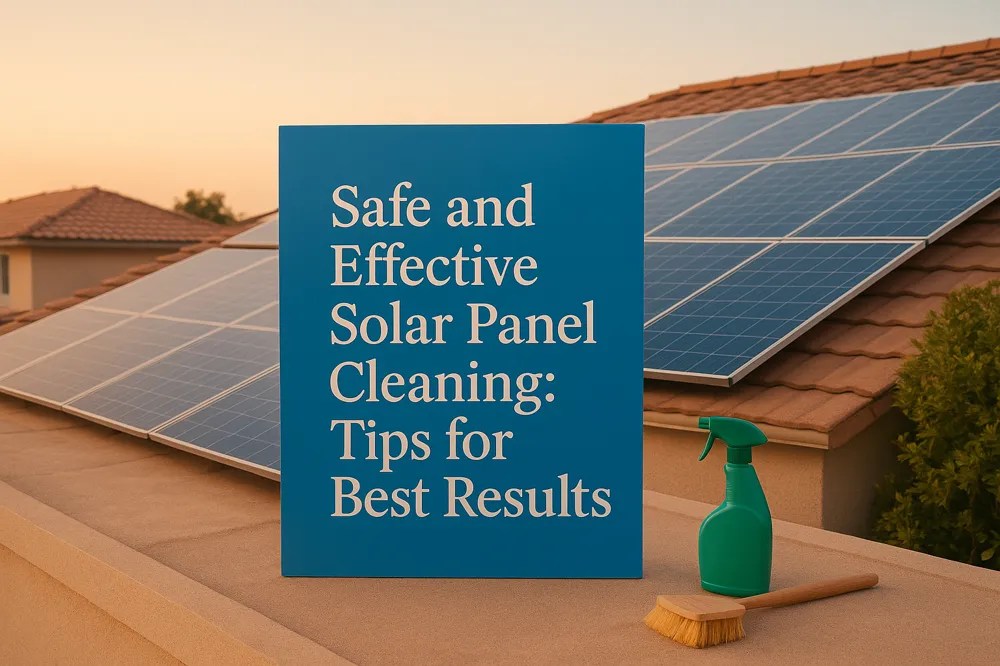
A soft-bristle brush, microfiber cloth, or a sponge are ideal for gently removing dirt and debris from solar panels. Use a low-pressure hose or a gentle stream of water for rinsing. Mild, eco-friendly soap or a specially formulated solar panel cleaning guide cleaner can help tackle stubborn grime.
Ideal cleaning conditions and technique
Clean your panels early in the morning or on cool, overcast days to avoid thermal stress and streaking. Avoid strong sunlight or hot panels during cleaning. Turn off the solar system to ensure safety.
Steps to avoid damage and ensure safety
Never use high-pressure washers or abrasive tools since these can damage the delicate surface and void warranties. Avoid harsh chemicals like bleach or ammonia. When panels are roof-mounted, use telescopic poles and stay safely on the ground, or hire professional solar panel cleaning services for difficult-to-reach installations.
Use of purified water and mild soaps
Preferably use distilled or deionized water for rinsing panels to prevent mineral deposits and streaking. Mild detergents compatible with solar panels protect coatings and extend system life. Always rinse thoroughly to eliminate soap residues.
The best way to clean solar panels is by gently brushing off dirt and rinsing with clean, purified water combined with a small amount of mild soap. Regular cleaning, recommended at least twice yearly or more frequently in dusty or polluted environments, maintains peak efficiency and safeguards the investment. Professional cleaning services offer specialized tools and safety, especially for rooftop arrays, ensuring panels remain damage-free and highly productive.
Common Mistakes to Avoid When Cleaning Solar Panels
What should I avoid when cleaning solar panels?
When cleaning your solar panels, it’s crucial to steer clear of certain practices that might harm their performance or structure. One major mistake is using high-pressure washers. These powerful water streams can damage the sensitive glass and seals, potentially leading to costly repairs or reduced panel lifespan. For more details, see Best practices for cleaning solar panels.
Avoid harsh chemicals and abrasive tools as well. Strong detergents, bleach, ammonia, or scrubbing with rough brushes can scratch or degrade the protective coatings on solar panels. Instead, opt for mild soaps or specially formulated, eco-friendly cleaners combined with soft sponges or microfiber cloths. You can learn more about recommended cleaning tools and safe methods in the Solar panel cleaning guide.
Timing and environmental conditions also play a major role. Cleaning during the hottest part of the day can cause streaking and thermal stress on panels, so early mornings or cooler, overcast days are safest and most effective for cleaning. This advice is covered under When to clean solar panels.
Ensuring personal safety during cleaning is essential, especially with roof-mounted systems. Use fall protection gear like harnesses if working at height and never clean panels when wet or during windy conditions to avoid slips and accidents. For safety tips, see Safety tips for solar panel cleaning and Solar panel cleaning safety.
By avoiding these common mistakes, you protect your investment, uphold warranty conditions, and maintain the panels’ optimal energy production. More about maintaining solar panel efficiency can be found in Solar panel maintenance tips.
Eco-Friendly Solar Panel Cleaning Methods and Innovations
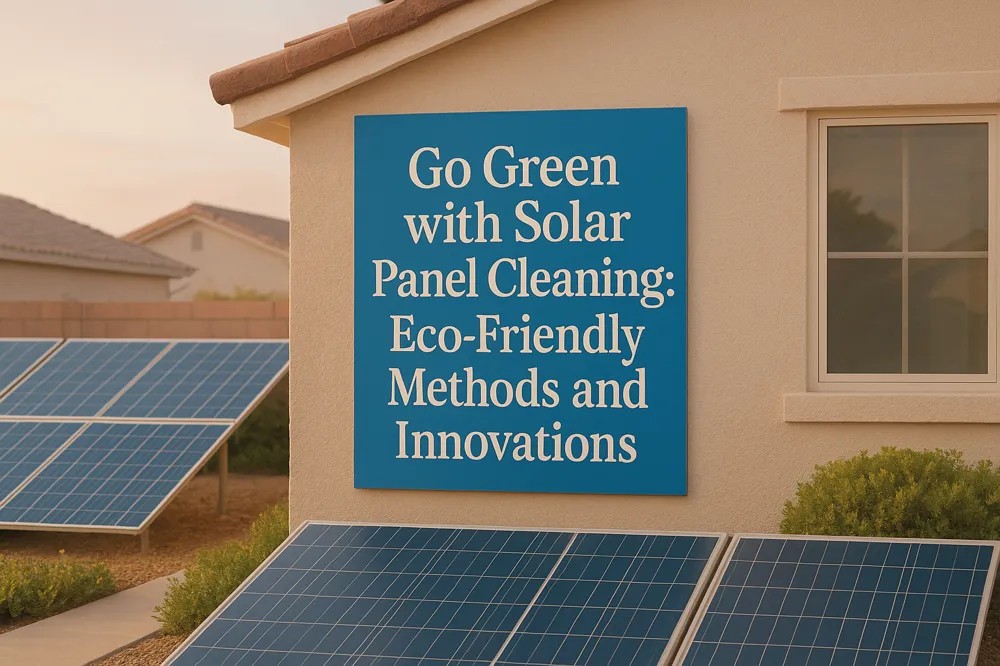
Are there eco-friendly methods available for solar panel cleaning?
Yes, eco-friendly cleaning methods for solar panels are not only available but also highly effective in maintaining panel performance while protecting the environment. Many homeowners and professional services opt for biodegradable cleaning solutions such as vinegar, lemon juice, or baking soda mixed gently with water. These natural cleaners avoid harmful chemicals that could damage panels or harm nearby ecosystems.
Using purified or distilled water in combination with soft brushes or microfiber cloths ensures that panels are cleaned thoroughly without leaving mineral deposits or causing abrasions. Professionals often employ low-water use techniques, favoring gentle rinses to reduce water waste. This approach helps maintain solar panel efficiency and supports sustainable cleaning practices as detailed in solar panel cleaning tips.
Can solar panels be cleaned automatically, and if so, how?
Automatic cleaning of solar panels is becoming increasingly popular, especially for large solar arrays or locations with persistent dust and debris accumulation. Specialized robotic cleaning systems are designed to keep panels clean with minimal human intervention. These robots typically utilize low-volume spray nozzles combined with biodegradable cleaning agents and programmable controllers to efficiently clean surfaces.
Such automated solutions reduce labor costs and maintain consistent panel cleanliness, which is critical for optimal solar energy production. Emerging technologies include drones equipped with cleaning tools and advanced nanocoatings that repel dust and water, further reducing maintenance needs.
While installation and upkeep require professional expertise, integrating automated cleaning not only maximizes solar output but also ensures an eco-friendly, labor-saving, and cost-effective maintenance strategy for solar panel owners.
Professional Solar Panel Cleaning Services: Benefits and Costs
What are professional solar panel cleaning services and why should homeowners consider them?
Professional solar panel cleaning services use specialized equipment and eco-friendly techniques to safely remove dirt, bird droppings, pollutants, and debris from solar panels. This cleaning is crucial because dirty panels can reduce energy efficiency by over 25%, leading to significant financial loss and a shorter system lifespan. Hiring professionals is safer than DIY cleaning, as it minimizes risks of damaging sensitive components and ensures thorough maintenance. Regular cleanings, typically every 6 to 12 months, can boost energy production by up to 20%, helping homeowners maximize the return on their solar investment. Moreover, clean panels contribute to extending system longevity and maintaining warranty coverage. For detailed insights, refer to the Solar panel maintenance guide.
How much does professional solar panel cleaning cost in the USA?
Professional cleaning costs typically range from $200 to $500 annually, depending on factors like system size and location. On average, the cost per panel is between $5 and $15. While DIY cleaning might reduce expenses, it often lacks the thorough inspections and safety measures provided by professionals. Investing in regular professional cleaning not only improves energy output and reduces maintenance needs but also prevents energy loss valued at approximately $79 per year. This makes professional cleaning a cost-effective strategy for preserving system performance and maximizing long-term savings. For more cost and service details, see professional solar panel cleaning and solar panel cleaning benefits.
Safety and warranty considerations
Professional services follow strict solar panel cleaning safety protocols, protecting both the workers and the homeowners. They avoid high-pressure washes and harsh chemicals that could damage panels. Maintaining regular professional cleaning schedules often aligns with warranty requirements, as neglecting cleaning can void performance guarantees. Additionally, cleaning crews are trained to identify potential physical issues without risking damage, ensuring that warranties remain valid. See also Solar panel maintenance tips and solar panel cleaning USA for more information.
Inspection benefits and maintenance scheduling
During professional cleanings, technicians perform visual inspections for solar panels to detect cracks, loose wiring, or debris that could impair performance. Early identification of such issues allows for timely repairs, preventing costly damage. Service providers can also guide homeowners on optimal cleaning frequency based on local environmental conditions, such as dust or pollution levels. Scheduling regular cleanings not only maintains peak efficiency but helps extend the system’s operational life, ensuring consistent energy production. Additional maintenance tips are available at Solar Panel Cleaning Frequency.
| Aspect | Details | Benefit |
|---|---|---|
| Energy Efficiency | Up to 20% increase with cleaning solar panels | Maximizes ROI and monthly savings |
| Cost | $200-$500/year; $5-$15 per panel | Affordable, prevents costly energy loss |
| Safety | Avoids damage, safe handling of equipment | Protects system and installers |
| Warranty Compliance | Regular cleaning often required | Keeps warranties valid |
| Inspections | Detects early system issues | Avoids major repairs, prolongs lifespan |
| Maintenance Scheduling | Tailored to local environment | Optimizes cleaning frequency and performance |
Conclusion: Maintain, Monitor, and Maximize Solar Panel Performance
Cleaning Frequency and Best Practices
Solar panels should generally be cleaned at least twice a year, with increased frequency to every 3-4 months in dusty, polluted, or leafy environments. Cleaning on cool, overcast mornings using soft brushes or microfiber cloths and mild soaps ensures safe and effective maintenance. Avoid harsh chemicals and high-pressure washers to protect panel surfaces.
Professional Services and Inspections
While routine cleaning can be done by homeowners, professional inspection and cleaning at least once a year provide safety, thoroughness, and early damage detection. Experts use specialized tools for hard-to-reach panels and can spot issues like cracks or wiring problems before they affect performance.
Long-Term Benefits
Consistent cleaning and inspections can boost energy output by up to 20%, preserve system warranties, prevent costly damages, and extend the lifespan of solar installations. Monitoring system output helps identify when maintenance is needed, ensuring optimal efficiency and sustainable savings over decades.