


Why Timing Is Critical for Commercial Pressure Washing
Temperature, humidity, and UV exposure directly affect cleaning effectiveness. Cool morning air (50‑75 °F) and low humidity keep detergents on the surface longer, allowing grime, mold, and salt‑air residue to break down before water evaporates. Mid‑day sun raises surface temperature, causing rapid drying, streaks, and reduced chemical dwell time, while high UV can degrade eco‑friendly detergents. Santa Barbara County’s Mediterranean climate offers ideal early‑morning (7‑9 AM) and late‑afternoon (4‑6 PM) windows when temperatures are moderate, humidity is low, and breezes are calm, minimizing spray drift onto adjacent properties. Scheduling washes during these periods also aligns with business needs—early‑morning cleans ensure sidewalks are dry before customers arrive, and late‑night or weekend slots avoid disrupting high‑traffic venues. Finally, respecting local noise ordinances (often relaxed after 10 PM) and water‑use restrictions (peak demand 9 AM‑5 PM) ensures compliance while delivering safe, efficient, and eco‑friendly exterior cleaning.
Early‑Morning Power Washing: Benefits and Best Practices
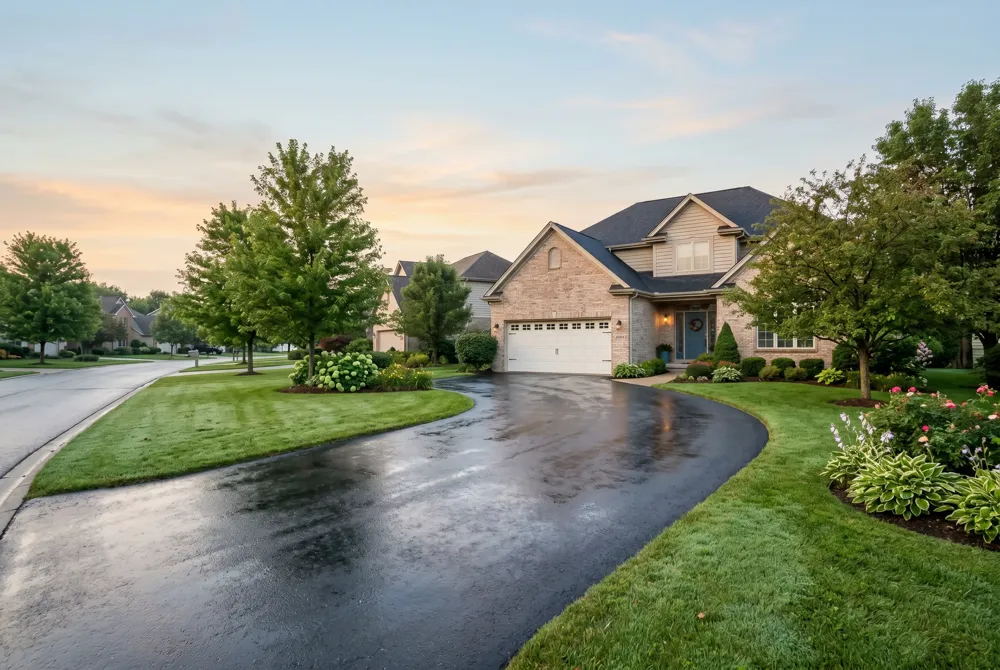
In Santa Barbara County the Early‑morning power washing (5 AM‑9 AM) window offers cooler temperatures (typically 55‑65 °F) and lower humidity, which keeps detergents active longer and prevents rapid evaporation that causes streaks. This early‑morning period also precedes the peak foot‑traffic surge, so sidewalks and entrances are dry and slip‑free when customers arrive. Because California municipalities often restrict high‑decibel equipment after 10 PM, washing before 9 AM stays well within noise‑ordinance limits, avoiding complaints while still giving technicians ample daylight. Professionals use quick‑dry soft‑wash techniques—low‑pressure water combined with eco‑friendly, biodegradable detergents—that can leave surfaces dry in under 30 minutes, allowing immediate re‑use of walkways and entrances.
Can I powerwash in October?
Yes—October is actually a great month to power‑wash your property in the Santa Barbara area. The cooler, drier weather of early fall helps dirt, leaf debris, and summer‑grown algae lift off without the sun drying the surface too quickly, which can cause streaks. Just be sure the forecast calls for a few sunny, frost‑free days so the washed areas can dry completely before any rain arrives. A post‑wash inspection of gutters and downspouts will also help protect your exterior through the winter months. With a professional‑grade pressure wash in October, you’ll keep your property looking fresh and preserve its lifespan for the season ahead.
Evening and Overnight Washes for High‑Traffic Venues
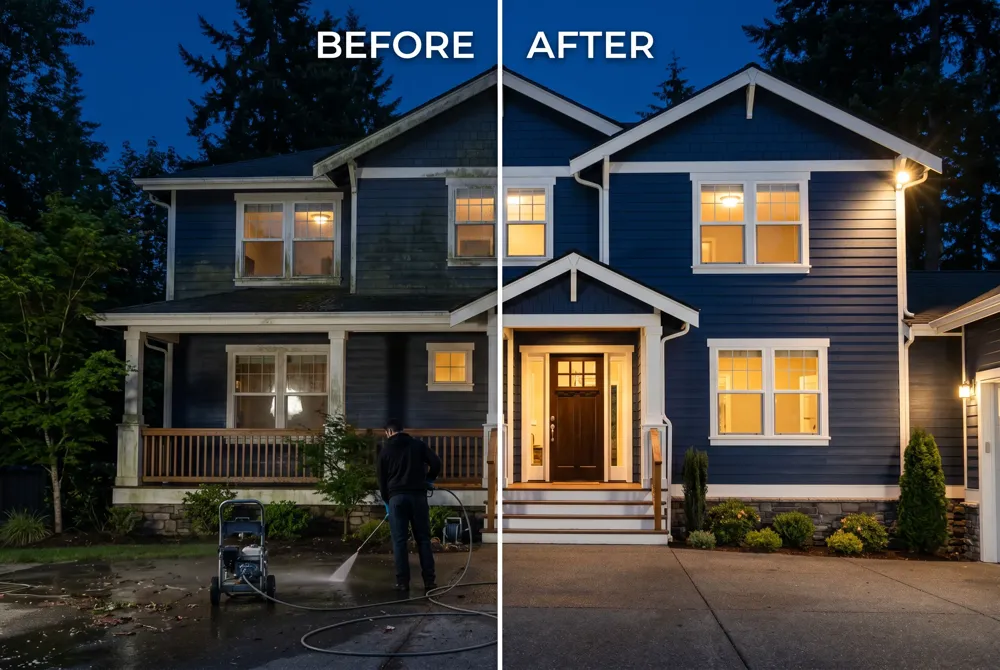
Late‑night power washing—typically after 9 PM—works best for restaurants, malls, hotels and other high‑traffic venues. The reduced daytime foot‑traffic eliminates noise complaints, while cooler night temperatures allow detergents to stay wet longer, improving grease‑breakdown and preventing rapid evaporation. For 24/7 facilities such as gas stations, hospitals or warehouses, a staggered, section‑by‑section approach keeps part of the property open while other zones are cleaned, minimizing disruption and preserving access.
Municipal noise ordinances in many Santa Barbara County cities relax after dark, but operators should still use low‑decibel equipment, acoustic blankets or mufflers to stay well below the 10 PM threshold. Scheduling the wash after sunset also improves worker visibility—glare is reduced and shadows highlight problem areas—making the job safer and more thorough.
When not to pressure wash?
Avoid using high‑pressure jets on electrical fixtures, outdoor outlets, lighting, painted wood, vinyl siding, roof shingles, stucco, glass, outdoor furniture, plants, landscaping, gutters, interior wall cavities, vehicles, carpets or delicate accessories. These surfaces are prone to shorts, paint stripping, granule loss, cracking, or damage. Instead, employ soft‑washing, low‑pressure rinses, hand‑cleaning, or appropriate tools to protect the material and surrounding environment.
Seasonal and Weather Influences on Wash Timing
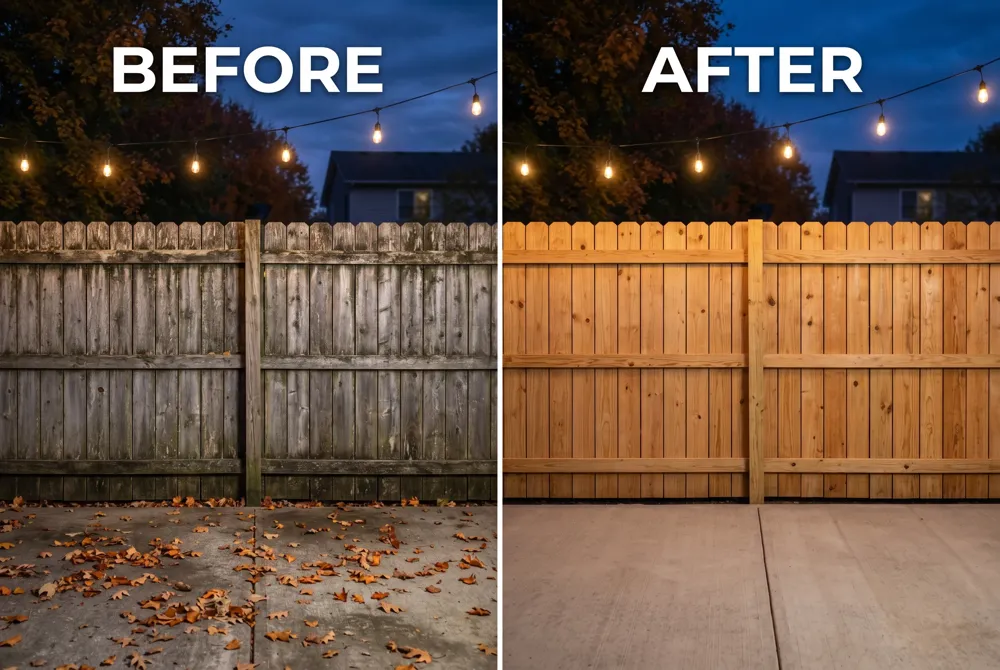
In Santa Barbara County the most favorable windows for commercial pressure washing fall in spring and fall when daily highs hover between 50 °F and 75 °F. These moderate temperatures keep cleaning solutions from evaporating too quickly, allowing detergents to break down grime before rinsing. Humidity plays a similar role: lower humidity (40‑60 %) prolongs wet time, while high humidity can leave streaks or encourage mold re‑growth. Wind speeds under 10 mph are ideal; breezy conditions can blow detergent off the surface and deposit debris on freshly cleaned areas. The UV index peaks between 10 am and 2 pm, so scheduling washes before sunrise or after sunset minimizes rapid drying, streaks, and sun‑activated chemical reactions. Early‑morning marine fog and coastal breezes lower surface temperatures and humidity, giving soap a longer dwell time, while late‑afternoon fog helps even drying without water spots.
What is the going rate for commercial pressure washing?
Typical rates in Santa Barbara range from $0.10 to $1.00 per square foot, with hourly fees of $50‑$150 for complex jobs. Smaller sites (under ~2,000 ft²) often see flat fees of $200‑$500, while larger plazas can cost $600‑$3,000+. Ongoing contracts run $100‑$600 per month.
How much should I charge to pressure wash a 2,000 sq ft house?
For a 2,000 sq ft residence, professional service usually falls between $300 and $600, depending on surface condition, soil level, and any special equipment needed.
Tool Selection: Nozzles, Soft‑Washing, and Time Estimates
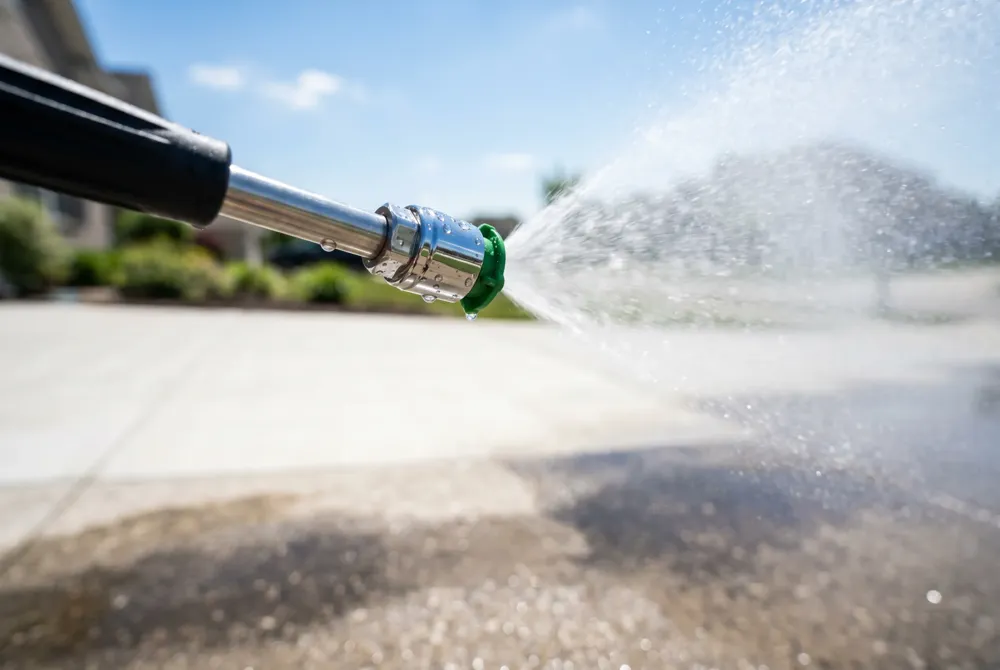
Choosing the right nozzle is the first step in a successful commercial pressure‑washing job. The four‑color tip guide aligns spray angle with surface sensitivity: a red (0°) tip delivers a pinpoint, high‑pressure jet for rust, paint, or concrete; yellow (15°) narrows the fan for stubborn paint, mildew, or hard‑surface stains; green (25°) provides a medium‑wide fan ideal for decks, patios, fences, and most siding; and white (40°) offers the widest, gentlest spray perfect for windows, soft wood, and delicate facades. For fragile materials such as stucco, historic brick, or painted surfaces, soft‑washing—low‑pressure, detergent‑based cleaning—protects the substrate while still breaking down algae, mold, and grime.
A typical deep clean of a 2,000 sq ft residence takes six to eight hours of focused work. With a two‑person crew, most Santa Barbara homes finish in about seven hours; a larger crew can shorten the window, while a solo operator may need more time. Efficiency factors include crew size, equipment power, surface condition, and any additional tasks like steam‑cleaning carpets or grout scrubbing. Scheduling during early‑morning (7‑9 AM) or late‑afternoon (4‑6 PM) hours ensures moderate temperatures, low UV exposure, and reduced water evaporation, giving detergents optimal dwell time and a dry, safe result for customers and workers alike.
Estimating and Quoting Commercial Jobs
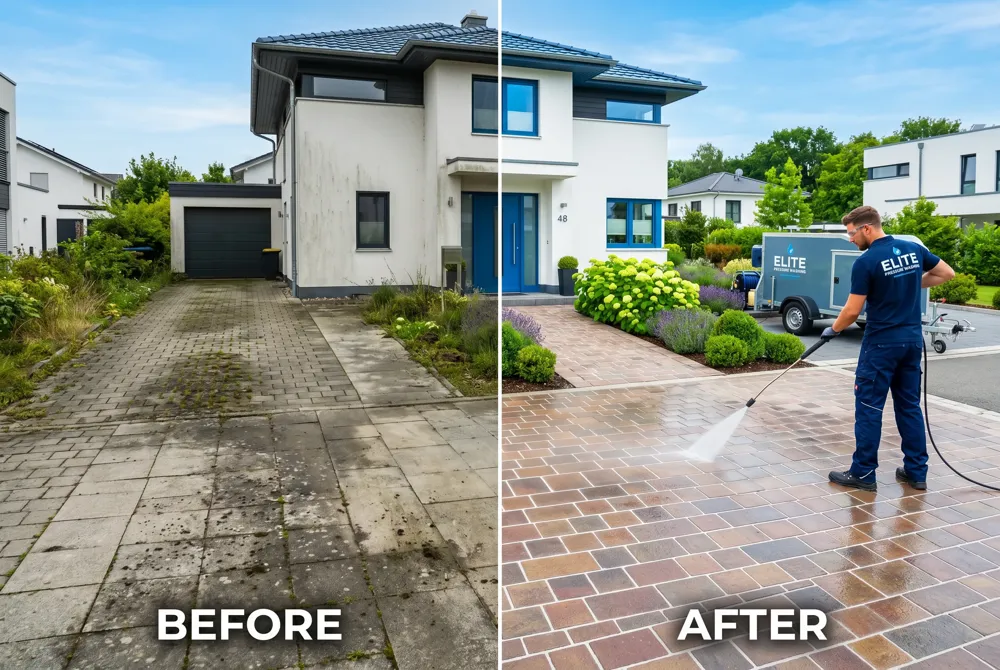
Professional pressure‑washing estimates start with a true break‑even cost analysis. Add together labor wages, eco‑friendly detergents, equipment depreciation, insurance, and general overhead for the specific façade (stucco, brick, metal, glass) you will clean. Next, estimate production time rather than relying solely on square‑foot pricing. Consider contamination level (grease, oil, algae), height and access (ladders, lifts), and any prep work such as masking or soft‑washing delicate surfaces. Once the break‑even cost is known, apply a profit margin of 20 %–40 % to arrive at a base price. Adjust the price for extra challenges: heavy oil stains, oxidation from salty sea breezes, multi‑story access, or after‑hours work (early‑morning 5 AM‑9 AM or late‑night after 9 PM) that may incur overtime or additional safety measures. Set a minimum service fee to protect against low‑value jobs. Present the quote as a clear line‑item estimate that lists labor, chemicals, equipment use, travel, and any adjustment fees, highlighting the use of biodegradable, low‑VOC cleaners and the long‑term protection they provide for the property’s curb appeal and value.
Putting It All Together: Schedule Smart, Clean Smart
Match Santa Barbara’s Mediterranean climate to your business’s operating hours by planning washes during the cool, low‑humidity windows of early‑morning (5 AM‑9 AM) or late‑evening (after 9 PM). These periods keep temperatures between 55‑75 °F, prevent rapid detergent evaporation, and reduce slip hazards before peak foot traffic. Early‑morning slots also minimize glare for crews, while late‑evening work complies with local noise ordinances and lets water dry safely overnight. Choose the appropriate nozzle and pressure for each façade material—4‑degree or 6‑degree tips for sturdy stucco and brick, low‑pressure soft‑washing for delicate paint, wood, or historic brick—to protect surfaces and achieve thorough cleaning. Adopt transparent pricing, such as per‑square‑foot rates, and schedule regular semi‑annual or quarterly cleanings. Consistent maintenance preserves curb appeal, extends surface life, and safeguards your property investment without disrupting daily operations.