


A Clean Start: Why Pressure Washing Matters
Proper surface preparation is the foundation of any durable exterior paint or stain job. Pressure washing removes dirt, dust, mold, mildew, chalking, and loose paint that would otherwise block primer and cause adhesion to fail. A clean, dry substrate eliminates the risk of bubbling, peeling, or premature cracking, extending the life of the finish by up to 30 % and preserving curb appeal. In Santa Barbara’s coastal climate, salty sea air and high humidity accelerate mold growth and salt‑, accumulation, making regular high‑pressure cleaning essential to prevent rot, corrosion, and paint failure. Using the correct PSI (1,000‑1,500 psi for wood, 2,500‑3,000 psi for vinyl siding) and a fan‑spray nozzle protects delicate surfaces while delivering deep cleaning. Eco‑friendly, biodegradable detergents and reclaimed‑water systems meet EPA guidelines and safeguard landscaping. By thoroughly washing, inspecting for hidden cracks or rot, and allowing full drying (24‑48 hours), homeowners ensure optimal bonding of primer and paint, reduce future repaint cycles, and protect property value.
Pressure Washing: The Foundation for Adhesion and Longevity
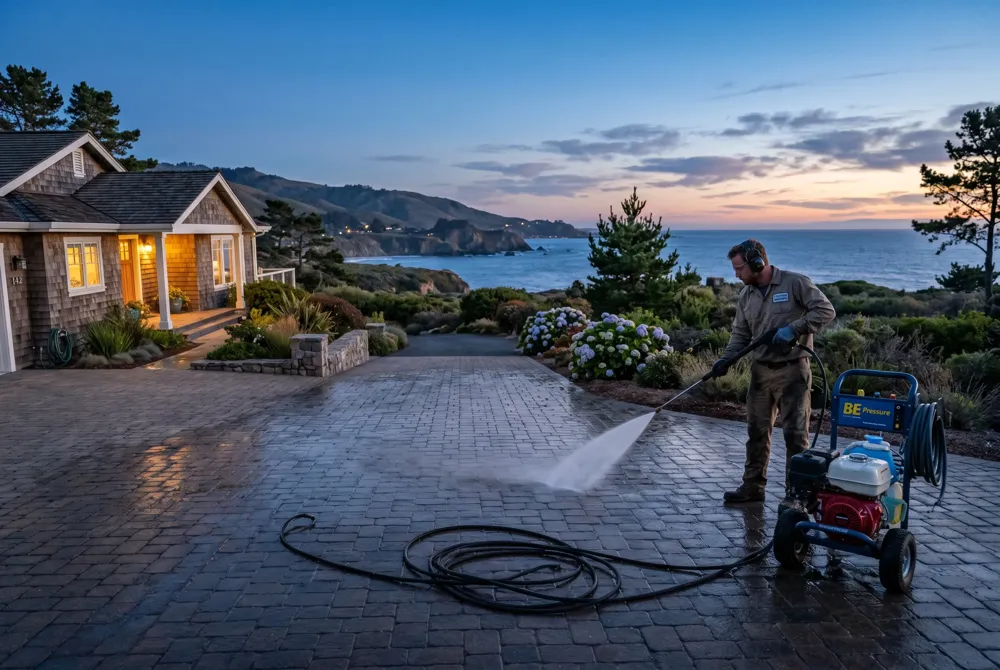
High‑pressure water blasts away dirt, mold, mildew, and loose paint far more effectively than manual scrubbing. The kinetic force lifts embedded contaminants and strips deteriorated coatings, revealing the substrate’s true condition. This clean, dry surface dramatically improves paint and stain bonding—adhesion can increase up to three times—reducing bubbling, peeling, and premature failure. Using EPA‑approved detergents and following runoff‑management guidelines (e.g., capture runoff, use biodegradable cleaners, and comply with local disposal rules) protects landscaping, pets, and the coastal environment of Santa Barbara.
Can a 3000 PSI pressure washer strip paint? Yes. A 3,000 PSI unit with a 15‑degree nozzle, held 12–18 in. from the surface, will lift most residential paint layers without gouging wood or siding. Test a hidden spot first and work in overlapping strokes.
Why is pressure washing important for Santa Barbara homes? The marine climate fuels mold, algae, and salt‑spray buildup that degrade paint and sealants. Removing these contaminants restores curb appeal, prevents corrosion, and ensures new coatings adhere longer and last longer.
What should I use to wash exterior walls before painting? For most walls, a 1,500‑2,000 PSI washer with a wide‑angle fan tip and a biodegradable detergent (e.g., TSP‑based house‑wash) works well. Softer siding benefits from soft‑washing systems at gentle pressure. After rinsing, let the surface dry completely (typically 24 hours) before priming or painting.
Timing the Job: Weather, Seasons, and Drying Times
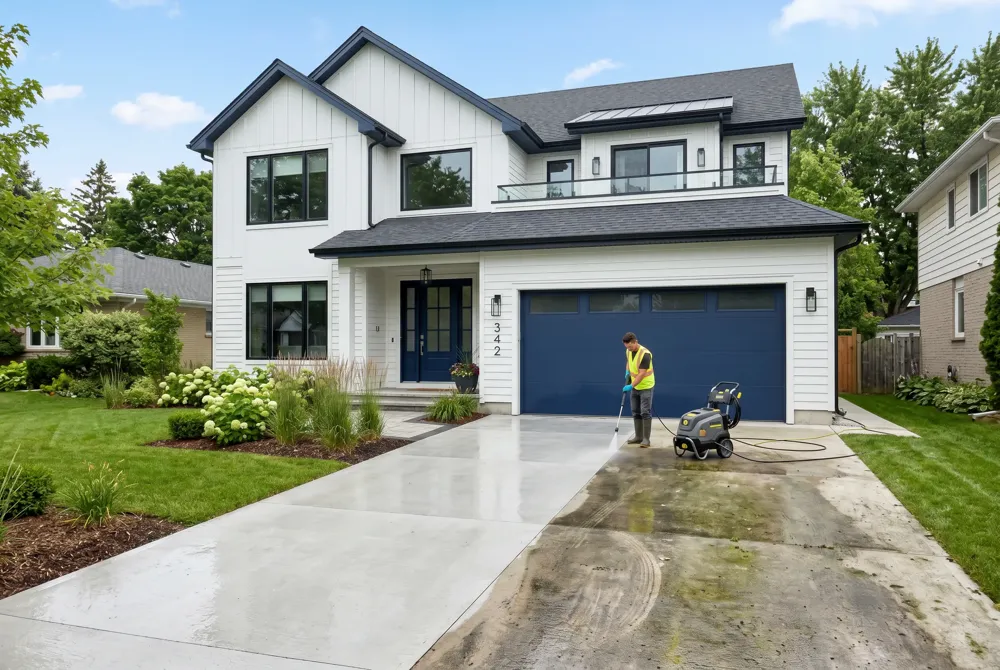
In Santa Barbara the best window for exterior painting is late spring through early fall—April to October—when daytime highs stay above 50 °F (10 °C) and rain is scarce. Wood should be painted only when its moisture content is 15 % or lower; concrete should be similarly dry, usually below the same 15 % threshold. After a pressure‑wash, allow the surface to dry fully before priming or painting. For most siding and decks, 48‑72 hours of drying is a safe rule of thumb, but shaded or thicker areas may need up to a week. Use a moisture meter or a hand‑touch test to confirm dryness. If rain occurs, wait until the surface is completely dry again—typically another 24‑48 hours—before proceeding.
Is October too late to paint exterior surfaces in Santa Barbara? October remains suitable; warm, dry days and occasional rain still allow proper curing if work starts early and temperatures stay above 50 °F.
How long does a pressure‑washed surface need to dry before painting? Aim for moisture content ≤15 %; in Santa Barbara this usually means 48‑72 hours, with up to a week for thick or shaded sections.
How long after pressure washing can I paint concrete? Minimum 24 hours in sunny, warm weather, extending to 48‑72 hours in cooler or humid conditions, ensuring moisture is below 15 % before priming.
Concrete and Masonry: Cleaning, Repair, and Painting
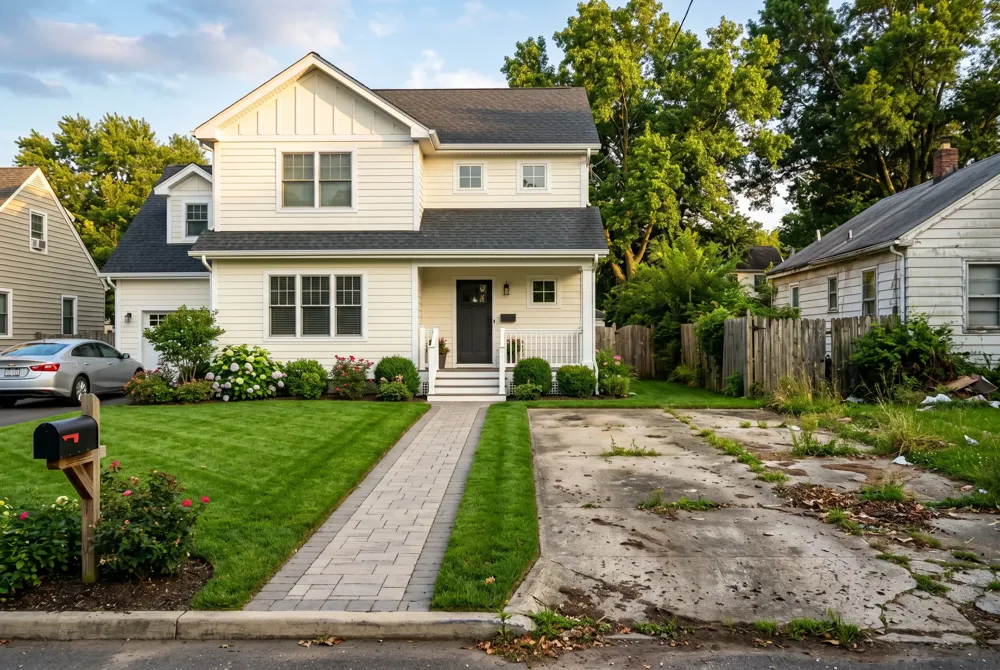
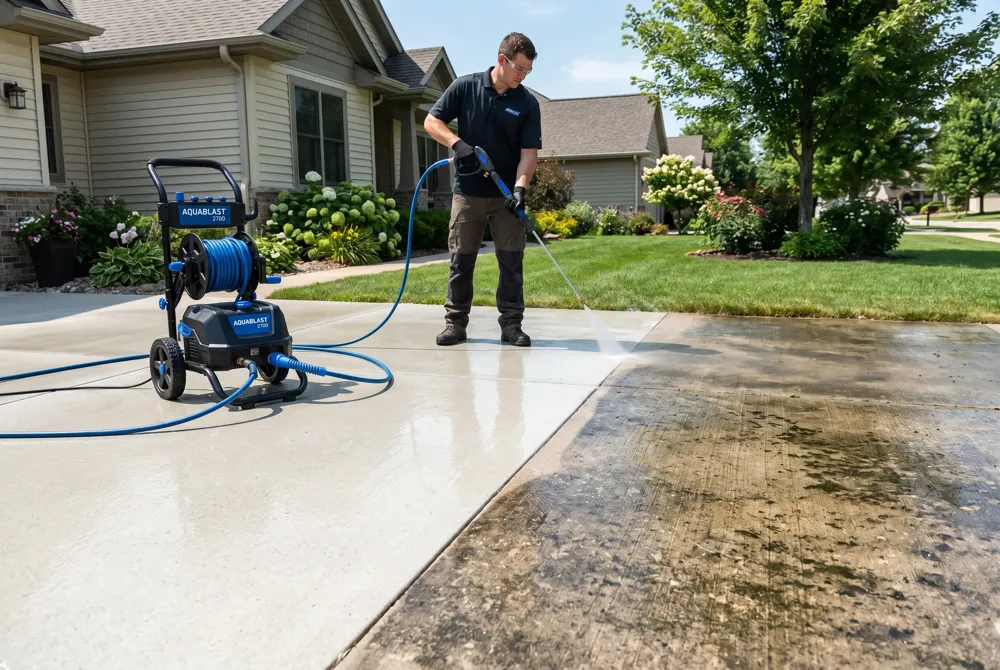
Pressure‑washing concrete and masonry is the first step to a lasting paint or stain job. A low‑pressure (soft‑wash) setting, combined with an eco‑friendly detergent, removes dust, oil, mold, and loose material that would otherwise inhibit primer adhesion. The high‑velocity rinse also exposes any cracks, spalling, or delamination that need repair before coating.
After the wash, inspect the surface carefully. Small hairline cracks can be filled with a polymer‑modified concrete crack filler, while larger voids may require a cement‑based repair mortar. Sand the repaired areas smooth, then wipe away any residual dust.
Choosing the right primer is critical for masonry. A latex‑based bonding primer designed for concrete or stucco provides excellent adhesion and helps seal the substrate against moisture. For highly porous stone or brick, a penetrating mineral primer can enhance bond strength and reduce efflorescence.
Should I pressure wash concrete before painting it? Yes—pressure‑wash the concrete before you paint it. A thorough wash eliminates dust, oil, mold and loose material that would otherwise prevent the primer and paint from bonding properly, which helps the finish last longer. Use a low‑pressure (soft‑wash) setting and an eco‑friendly cleaning solution, then rinse the area and let the surface dry completely (typically 24–48 hours) before applying primer and paint. This preparation also lets you spot any cracks or damage that should be repaired ahead of time. A clean, dry substrate gives you a smoother, more durable coat and better curb appeal for your Santa Barbara home or business.
How long after rain should I wait before applying an exterior stain? Wait at least 24 hours after the last rain, and preferably 48 hours in the humid Santa Barbara area, before you begin staining. The wood or siding should be completely dry, with a moisture content below about 15 %—you can test this with a moisture meter or simply press a dry cloth to the surface; if any moisture is left, the stain won’t adhere properly. After rain, give the exterior plenty of time to air‑dry; a sunny, breezy day speeds up the process, while cool, damp evenings can extend it. Before staining, wipe down any remaining dust or debris from your pressure‑washing step, and let the surface cure fully. Once the surface is dry and clean, you’re ready to apply the stain for the best color penetration and long‑lasting protection.
Wood Staining: From Cleaning to Application
Cleaning wood before you apply stain is non‑negotiable. Dust, mildew, sap, old paint, or grime seal the wood grain and cause uneven color or weak adhesion. A high‑quality wood cleaner, a mild soap‑water solution, or a gentle pressure wash with a soft brush will remove these contaminants. After rinsing, let the surface dry completely—typically 24‑48 hours in a moderate climate—before sanding. Light sanding with medium‑grit sandpaper opens the grain and creates a uniform substrate.
Post‑sanding, eliminate all dust with a soft‑bristle brush or vacuum, then wipe with a tack cloth. Clean the wood again with a mild solution or mineral spirits to remove any grease or wax, and allow it to dry fully. For soft, open‑grain species (pine, cedar, oak), apply a pre‑stain wood conditioner to prevent blotchiness. Test the stain on an inconspicuous area before full coverage.
Choosing the right applicator matters: a brush reaches tight corners and forces stain into detailed grain, while a low‑lint rag provides a smooth, streak‑free finish on large flat surfaces. Professionals often brush first, then wipe with a rag to blend and remove excess. Working in small sections and wiping before the stain dries ensures a uniform, vibrant appearance that lasts for years.
Common Staining Mistakes and How to Avoid Them
One of the most common errors is skipping the preparation phase. Before any stain is applied, the wood must be thoroughly cleaned—often with a pressure‑wash or a biodegradable detergent—to strip away dust, mildew, oil, and loose paint. If the surface remains dirty, the stain will soak unevenly, leaving blotches and premature peeling.
Choosing the wrong stain type is another frequent mistake. Different woods and exposure conditions demand specific formulations: a high‑solids oil‑based stain works well on dense hardwood but can over‑penetrate soft pine, causing dark streaks; a water‑based semi‑transparent stain may fade quickly on exterior decks exposed to salty sea breezes. Always read the manufacturer’s recommendation and test a small area.
Improper sanding and testing also sabotage the finish. Skipping the grit‑progression (120‑grit to 180‑grit) or sanding against the grain prevents the wood pores from opening uniformly, so the stain cannot level out. A simple test patch, applied after the wood has dried for 24‑48 hours, reveals color shifts and helps adjust application technique before the full project begins.
Following these steps ensures a durable, even finish that enhances curb appeal and protects the property for years to come.
Cedar Siding, Eco‑Friendly Practices, and Final Tips
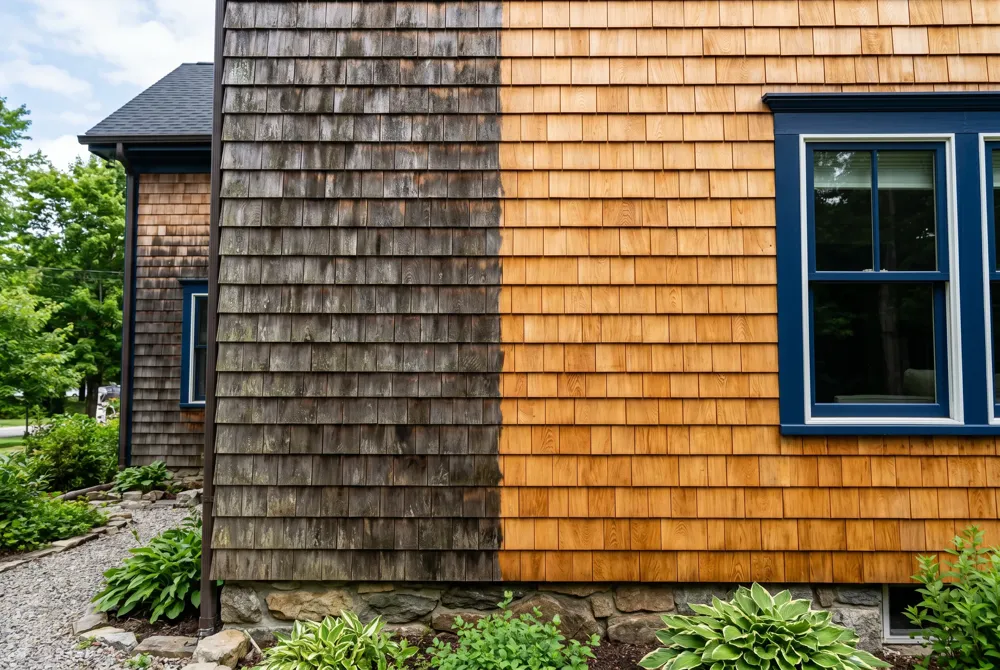
Power washing cedar siding before painting is essential. A low‑pressure fan‑spray nozzle (1,200‑1,500 PSI) removes dust, algae, mildew, loose bark, and tannin bleed without damaging the wood fibers. This clean, dry substrate lets primer and paint bond properly, extending the finish to 7‑10 years instead of 3‑4 years. After washing, allow the cedar to dry completely—typically 24‑48 hours in Santa Barbara’s coastal climate—before applying any coating.
Eco‑friendly cleaning can be achieved with biodegradable detergents and reclaimed water. Products such as Valspar Fast Acting Wood Cleaner or Goleta Home Services EPA‑Safer Choice formulas break down organic growth while remaining safe for landscaping, pets, and the marine environment. Using a low‑flow pump reduces water consumption, aligning with the region’s drought‑conscious practices.
Maintenance schedule: Inspect the exterior twice a year (spring and fall). Lightly pressure‑wash with a soft‑bristle nozzle, re‑apply a breathable, stain‑blocking primer if any new tannin bleed appears, and touch‑up paint where needed. Regular eco‑friendly washes prevent mold, salt deposits, and rot, preserving curb appeal and property value for years to come.
Putting It All Together for a Durable Finish
A successful exterior paint or stain job begins with three simple, but critical, steps. First, pressure‑wash the surface using the proper PSI and nozzle nozzle a‑ fan,,‑ clear wood, mold, mildew, old paint, and salt deposits. Follow the top‑to‑bottom rinse pattern, protect landscaping, and wear safety gear. Second, allow the washed area to dry completely—typically 24‑48 hours in Santa Barbara’s coastal climate; a moisture meter can confirm that moisture is below the 15 % threshold recommended by professional painters. Third, inspect the dry surface for hidden cracks, rot, or loose siding, and repair any defects before applying primer or paint. Following this sequence creates a clean, dry, and sound substrate that maximizes adhesion and prevents premature failure.
Long‑term, pressure washing extends the life of the finish by up to 30 %, reduces future repaint cycles, and preserves curb appeal, which can increase property value by 2‑5 %. It also eliminates mold and salt that would otherwise degrade wood or masonry.
Ready to protect your home and boost its marketability? Contact Goleta Home Services today for eco‑friendly, professional pressure‑washing and exterior cleaning that prepares any surface for a flawless, lasting paint job.