


Overview of Data Protection in the Cleaning Industry
Importance of data protection for cleaning service providers
Cleaning companies handle sensitive customer information such as contact details, payment data, and service history. Protecting this data is crucial for maintaining customer trust and operational integrity. Cybersecurity threats like data breaches can expose personal information, leading to legal penalties and damaged reputations.
Overview of key data privacy challenges faced by cleaning businesses
Small cleaning businesses are vulnerable to cyberattacks, with around 19% experiencing breaches or attacks. Common challenges include unauthorized data access, phishing scams, and improper handling of personal data. The increasing digitization of service bookings and customer communication further raises these risks.
Significance of compliance with modern data protection laws
Adhering to laws like the California Consumer Privacy Act (CCPA) and anticipating upcoming state laws is essential for legal compliance and customer confidence. These regulations mandate transparency about data collection, provide consumer rights for access and deletion, and impose penalties for non-compliance. Proactive measures, including encryption, secure password use, employee training, and regular data backups, support compliance and protect business operations.
Fundamental Data Protection Requirements and Responsibilities
What are the fundamental requirements of the Data Protection Act?
The Data Protection Act mandates that businesses use personal data fairly, lawfully, and transparently. For cleaning services, this means informing customers clearly about what information is collected—such as contact details and payment data—and how it will be used or shared. Customers have rights to access their data, request corrections, transfer their information, or ask for deletion when appropriate.
Organizations must establish strong data security measures to prevent breaches and unauthorized access, including encryption and controlled data access. Additionally, clear privacy policies and notices must be communicated at data collection points. Failure to comply can result in legal penalties and harm to reputation. For more details, see the Legal Guide to Privacy and Data Security 2024.
Who is responsible for complying with data privacy laws?
Compliance is a collective effort within a cleaning company. The business itself holds primary responsibility for ensuring all procedures meet legal standards. Specific roles include Data Protection Officers (DPOs), Data Controllers, and Data Processors who oversee how data is managed and protected.
Every employee involved in handling customer data should be trained and follow internal data protection policies. This ensures that sensitive information—like client contact details and service histories—is safeguarded throughout daily operations and digital communications. Additional guidance on Data protection for cleaning businesses can be beneficial here.
What are best practices for data handling and transparency?
Cleaning companies should adopt best practices such as:
- Using strong, unique passwords and updating software regularly to protect systems. See Strong Password Practices and Password Security Best Practices.
- Encrypting customer data during storage and transmission to prevent unauthorized access.
- Training staff to recognize phishing attempts and suspicious emails. Guidance on Employee Cybersecurity Training is valuable.
- Limiting access to sensitive data to only necessary personnel.
- Providing clear, accessible privacy notices explaining data collection and use, following notice and privacy policy requirements.
- Allowing customers to exercise their data rights easily and without penalty, in line with CCPA consumer rights.
Implementing these steps not only fulfills legal obligations but also builds trust with customers, helping maintain long-term client relationships in a competitive market.
Impact of the California Consumer Privacy Act on Cleaning Businesses
Overview of CCPA Requirements Applicable to Cleaning Service Providers
The California Consumer Privacy Act overview requires cleaning service providers operating in California or handling data of California residents to adhere to several important privacy practices. Businesses must inform customers at the point of data collection about what personal information is being gathered and how it will be used. This includes data such as contact details, payment information, and service history. Cleaning businesses that meet thresholds like having annual gross revenues over $25 million or handling data from 100,000 or more California residents must comply with business obligations under CCPA and maintain clear, accessible notice and privacy policy requirements.
Implications for Customer Data Collection, Usage, and Sharing
Under the CCPA consumer rights, cleaning businesses must be transparent about their data collection methods and any sharing or selling of personal information. Consumers have the opt-out rights under CCPA of the sale or sharing of their data, and any sharing must comply with non-discrimination in CCPA rules, ensuring service quality or pricing is not negatively affected when privacy rights are exercised. Businesses must also take strong cybersecurity measures such as encryption and regular security updates to prevent data breaches, as inadequate protections can lead to data breach lawsuits under CCPA and financial penalties.
Obtaining Consent and Providing Consumer Data Rights Access
Cleaning service providers are obligated to provide mechanisms for customers to access, correct, or delete their personal information. This includes honoring consumer requests within legally defined timeframes and enabling opt-out options for data sale or sharing. Businesses must also ensure customers are aware of their rights through detailed privacy notices and user-friendly controls. These practices not only fulfill legal requirements but also build trust and enhance the business’s reputation in California’s competitive market. More general privacy controls and GPC should be implemented by companies to streamline compliance.
How does the California Consumer Privacy Act (CCPA) affect businesses?
The CCPA significantly impacts businesses by requiring transparency about data collection and sharing practices, as well as providing consumers with rights to access, delete, or opt out of personal data sales. Companies must implement comprehensive privacy policies, disclose data handling processes, and offer mechanisms for consumers to exercise their rights under strict regulatory oversight. Non-compliance can result in hefty fines and legal penalties, making adherence crucial for companies handling California residents’ data. This law encourages businesses to adopt enhanced cybersecurity measures—including encryption, regular audits, and employee training—to safeguard consumer information and avoid costly legal consequences. For deeper insights, refer to the Legal Guide to Privacy and Data Security 2024.
Key U.S. Data Protection Laws Cleaning Services Must Know
What are the key U.S. data protection laws relevant to businesses?
Several laws govern data protection in the U.S., impacting cleaning companies handling sensitive customer information. These include:
- Health Insurance Portability and Accountability Act (HIPAA): Protects health-related information; mostly impacts healthcare providers but relevant if cleaning firms handle medical facility data.
- Gramm-Leach-Bliley Act (GLBA): Applies to financial institutions; relevant if cleaning businesses handle financial information.
- California Consumer Privacy Act overview: Grants California residents rights to know what personal data businesses collect, how it’s used, and allows opting out of data sales. It applies to businesses meeting certain revenue and data volume thresholds, with detailed compliance requirements.
- New privacy laws in eight states: Eight states will enact new privacy laws in 2025 affecting consumer rights and data security, increasing compliance complexity for businesses operating in multiple states.
How do these laws differ and overlap?
Each law serves distinct purposes but shares common goals of transparency, consumer rights, and data security. For example:
- Scope: HIPAA focuses on medical data, GLBA on financial data, and CCPA consumer rights on broader consumer personal data.
- Data Subjects: Business obligations under CCPA protect California residents specifically, while Privacy law effective dates in 2025 address residents within their jurisdictions.
- Compliance Requirements: Notice and privacy policy requirements mandate clear privacy notices, opt-out rights, and data breach liabilities. State laws may impose additional penalties and require stricter child protection.
What challenges do cleaning businesses face with state-specific privacy legislation?
The myriad of different privacy laws across states creates a complex regulatory landscape. Key challenges include:
- Understanding varied compliance obligations that change by state.
- Managing consumer data with changing rules on access, deletion, and sharing.
- Implementing robust cybersecurity best practices to prevent breaches that could lead to legal penalties.
- Keeping up with evolving laws like those in Iowa, Delaware, and Maryland, effective throughout 2025 as detailed in the State privacy laws overview.
Adhering to these laws not only mitigates risks but also builds customer trust, vital for cleaning services handling sensitive client information through bookings, payments, and digital communication. For best practices and additional guidance on protecting sensitive customer information, see Importance of Data Security.
Cybersecurity Best Practices for Cleaning Services to Mitigate Data Risks
Common Cybersecurity Threats and Vulnerabilities Faced by Cleaning Businesses
Cleaning companies, especially small businesses, face significant cybersecurity threats including data breaches and cyberattacks. In 2021, 19% of U.S. small businesses reported experiencing cyber incidents, exposing sensitive customer data and operational information to risk. These breaches often occur due to weak passwords, outdated software, phishing scams, and inadequate access controls. For more information, see Data Protection for Cleaning Businesses.
Practical Security Measures for Cleaning Services
To protect against these threats, cleaning businesses should implement strong, complex passwords and avoid easily guessable ones such as “12345” or “password.” Regularly updating software and operating systems is crucial to patch vulnerabilities. Employee training is vital to recognize phishing attempts—carefully scrutinizing email sources and avoiding suspicious links reduces risk significantly. See Password Security Best Practices and Phishing Scam Prevention for detailed guidance.
Enhancing Security with Encryption, Access Controls, and Backups
Encrypting customer data in storage and during transmission using protocols like SSL and TLS prevents unauthorized access to sensitive information. Limiting access to customer and operational data strictly to necessary personnel decreases insider threats. Additionally, consistent and automated backups—both cloud-based and physical—help recover data in case of ransomware or hardware failure. Learn more about Encryption of Customer Data, Employee Cybersecurity Training, and Automated Data Backups.
What are the potential consequences of violating data protection regulations?
Failing to comply with data protection laws such as the California Consumer Privacy Act (CCPA) or similar state regulations can lead to severe legal liabilities, including class-action lawsuits. Operational disruptions like ransomware attacks could halt business functions, resulting in financial losses. Moreover, breaches and poor data security damage reputation, eroding customer trust which is critical for service providers like cleaning companies.
Cleaning businesses that prioritize cybersecurity not only mitigate these risks but also demonstrate reliability and professionalism, enhancing customer confidence and safeguarding their operations. For a comprehensive overview, refer to the Legal Guide to Privacy and Data Security 2024.
Navigating Environmental and Ethical Risks Alongside Data Protection
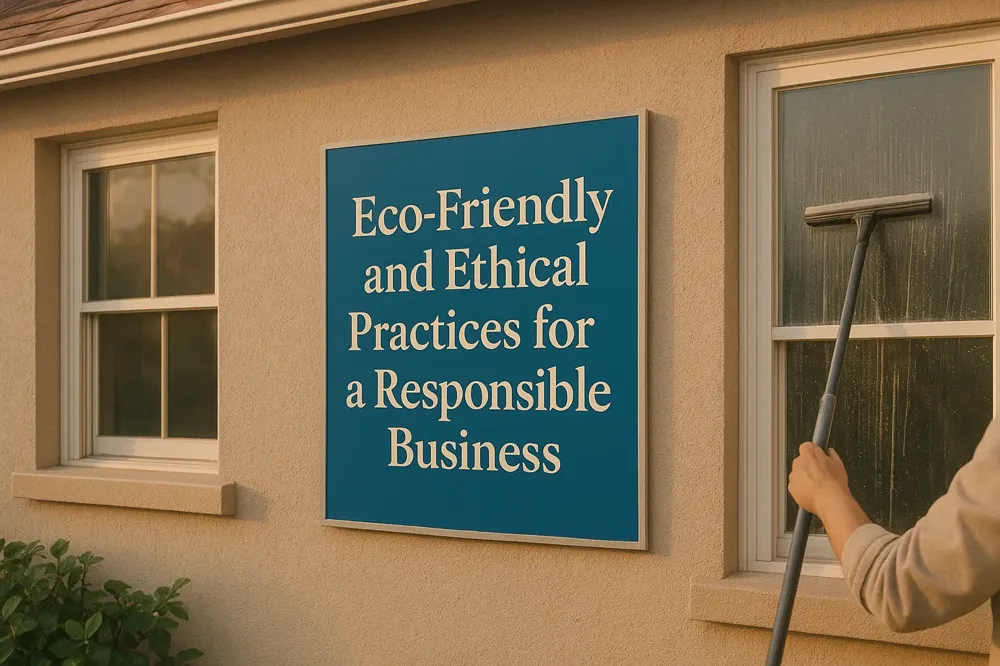
What are the risks associated with running a cleaning business?
Running a cleaning business involves several risks beyond data privacy, notably environmental and ethical issues related to the chemicals and products used.
Many traditional cleaning solutions contain harmful substances like phosphates, surfactants, and volatile organic compounds (VOCs). These chemicals can contaminate water sources, soil, and air, presenting health hazards to staff and clients alike. Additionally, the packaging materials, often plastic, contribute to environmental waste.
Ethically, some cleaning products undergo animal testing, raising concerns about humane treatment. Proper disposal of hazardous waste and safe handling procedures are critical to prevent respiratory problems or skin irritation among workers.
Why is the use of eco-friendly products and responsible waste management important?
Eco-friendly cleaning products reduce the negative impact on the environment by using natural, biodegradable ingredients and minimizing toxic emissions. These products help protect water quality and reduce pollution while safeguarding employee health.
Responsible waste management practices—such as recycling packaging and safely disposing of hazardous materials—further limit environmental harm. Choosing sustainable supplies and reducing single-use plastics demonstrate corporate responsibility and meet growing consumer expectations for green business practices.
How can data protection be integrated with overall ethical business practices?
Ethical cleaning businesses embrace a holistic approach that includes both environmental stewardship and data privacy compliance. Protecting sensitive customer and employee data through strong cybersecurity measures fosters trust and safeguards business reputation. For more on Data protection for cleaning businesses and the Legal Guide to Privacy and Data Security 2024.
Combining eco-friendly methods with robust data protection policies reflects a commitment to responsible business operations. This integration enhances customer confidence, aligns with regulatory requirements such as the California Consumer Privacy Act overview, and promotes long-term sustainability both environmentally and digitally. For guidance on complying with broader privacy regulations, consider resources on 2025 US State Privacy Laws and the General Data Protection Regulation overview. Additionally, best practices for protecting customer data can be found in Encryption of Customer Data.
The Importance of Proactive Data Protection in Cleaning Services
The Importance of Proactive Data Protection in Cleaning Services
Data protection laws like the California Consumer Privacy Act (CCPA) and upcoming state privacy regulations play a vital role in safeguarding customer trust for cleaning service providers. These laws require businesses to be transparent about data collection, provide consumers with rights to access or delete their personal information, and maintain strong security practices.
Adopting robust compliance measures is essential. This includes encryption of customer data, regular employee cybersecurity training, careful email scrutiny to avoid phishing, and controlled access to sensitive information. These steps help prevent costly data breaches and legal penalties.
Integrating ethical data handling practices not only fulfills regulatory obligations but also supports sustainable business growth by enhancing reputation and customer loyalty. Proactively protecting customer data builds confidence and strengthens the foundation for long-term success in the cleaning industry.