


Why Nozzle Knowledge Matters in Goleta
Understanding nozzle spray angle is essential because lower‑degree tips (0°‑15°) concentrate water into a narrow jet, delivering higher PSI for stubborn grime on concrete, brick, or stone, while higher‑degree tips (25°‑40°) spread the flow over a wider area, lowering pressure and protecting softer surfaces such as vinyl siding, stucco, or painted wood. In Santa Barbara County’s climate, salt‑laden air, humidity, and frequent fog promote algae, mold, and salt‑bearing grime on roofs, gutters, and exterior walls, making pressure washing vital to prevent corrosion and preserve curb appeal. Crews use detergents and washers to meet California water‑conservation rules, reducing impact while still achieving clean result. Choosing nozzle for surface also speeds work, allowing technicians to switch from a 25° green tip for decks to a 40° white tip for siding without pressurizing material.
Decoding the Universal Nozzle Color Chart
Pressure washer nozzle color chart
The color‑coded nozzle chart is a global standard that links each tip’s hue to its spray angle and typical pressure. Red (0°) delivers a pinpoint, high‑pressure jet for stubborn stains on concrete, brick, or paint removal. Yellow (15°) provides a narrow fan with strong impact for heavy‑duty tasks such as grout or garage‑floor cleaning. Green (25°) is the versatile, all‑purpose tip for decks, siding, patios, and vehicles. White (40°) creates a wide, gentle fan ideal for delicate surfaces like windows, soft wood, or painted trim. Black (65°) is a low‑pressure soap nozzle used only to apply detergents.
Pressure washer nozzles chart
A nozzle chart pairs each color with its spray angle, flow rate, and recommended PSI. By consulting the chart, homeowners can match the nozzle to the surface, avoiding damage while achieving a professional clean. For example, a 15° tip is perfect for stripping grime from brick, while a 40° tip safely rinses vinyl siding without etching.
Pressure washer nozzle chart pdf
Manufacturers such as Generac, Simpson, and Spray publish downloadable PDFs that list color, angle, orifice size, GPM, and PSI for common tasks. Keeping a printed copy on hand helps technicians in Goleta and Santa Barbara select the correct tip for every job, from delicate roof soft‑wash to heavy‑duty driveway cleaning.
What is the difference between 15 degree and 40 degree pressure washer nozzles?
A 15° (yellow) nozzle concentrates force in a narrow V‑shaped spray, delivering higher pressure per square foot—ideal for tough grime on hard surfaces. A 40° (white) nozzle spreads water over a larger area, lowering impact pressure and protecting softer materials. Use the 15° for heavy‑duty cleaning and switch to the 40° for gentle rinses that preserve curb appeal.
Beginner’s Roadmap: First‑Time Use & Core Techniques
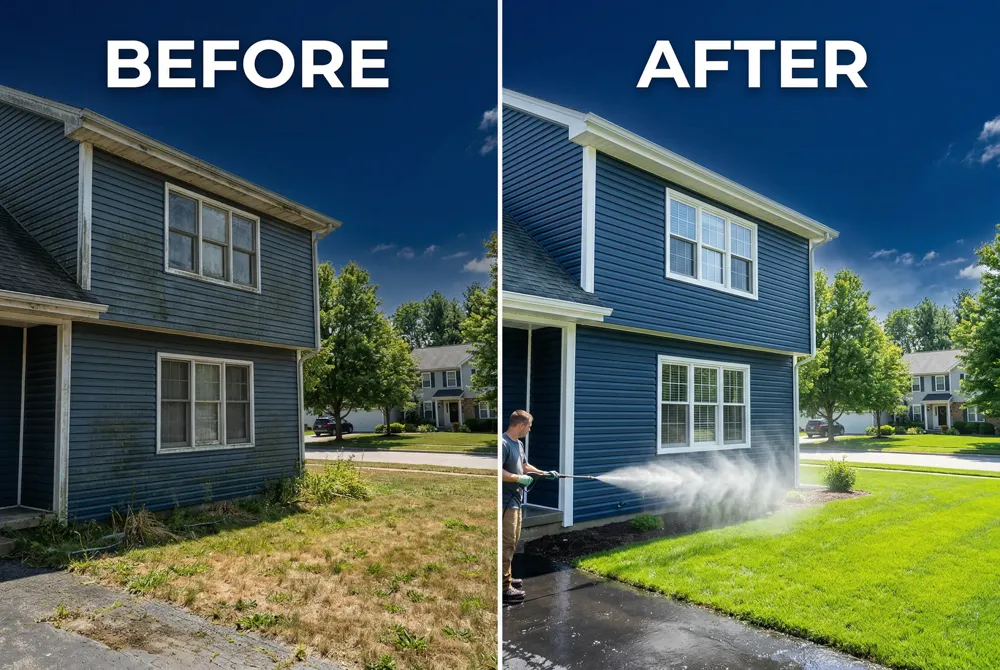
Equipment preparation and safety gear – Before you start, inspect the hose for kinks, verify the pump has the proper oil or fuel, and connect a fully‑open garden hose. Put on goggles, non‑slip shoes, closed‑toe footwear, and gloves; keep the wand at least 6 feet from power lines and cover nearby plants with a tarp. Step‑by‑step workflow for new users – 1) Choose the correct color‑coded nozzle: green (25°) for a gentle first pass on most residential siding, red (0°) only for stubborn concrete or metal stains, and white (40°) for delicate painted surfaces. 2) Pre‑wet the area, then apply a biodegradable detergent with a low‑pressure black soap tip if needed. 3) Test the spray on an inconspicuous spot, keeping the wand 12–18 inches from the surface. 4) Work in small, overlapping sections, moving the wand continuously to avoid gouging. 5) Rinse with a wider‑angle nozzle and inspect for missed spots. 6) Turn off the machine, release pressure, and store hoses and nozzles safely. Quick‑reference tip sheet – • Start with a 25° fan tip for most jobs. • Use a 0° red tip only on hard, non‑porous surfaces. • Keep the wand 12–18 inches away; move steadily. • Apply detergent with a black soap tip, then rinse with a 40° white tip. • Wear safety gear and protect electronics.
How to get good at pressure washing? Follow the step‑by‑step guide above, practice on hidden areas, document before/after results, and adjust nozzle angles based on surface hardness. How to use a pressure washer for the first time? Read the manual, ensure oil/fuel and water supply, attach the 25° nozzle, build pressure, test on a small spot, then clean in overlapping strokes, finishing with a thorough rinse. Pressure washing tips chart – Red (0°) = high‑pressure spot cleaning; Yellow (15°) = heavy‑duty cleaning; Green (25°) = general residential cleaning; White (40°) = gentle wash for delicate surfaces; Black (65°) = soap‑only application. These practices protect surfaces, enhance curb appeal, and extend the life of exterior materials in the Goleta coastal climate.
Surface‑Specific Strategies: Vinyl, Concrete, and Cars
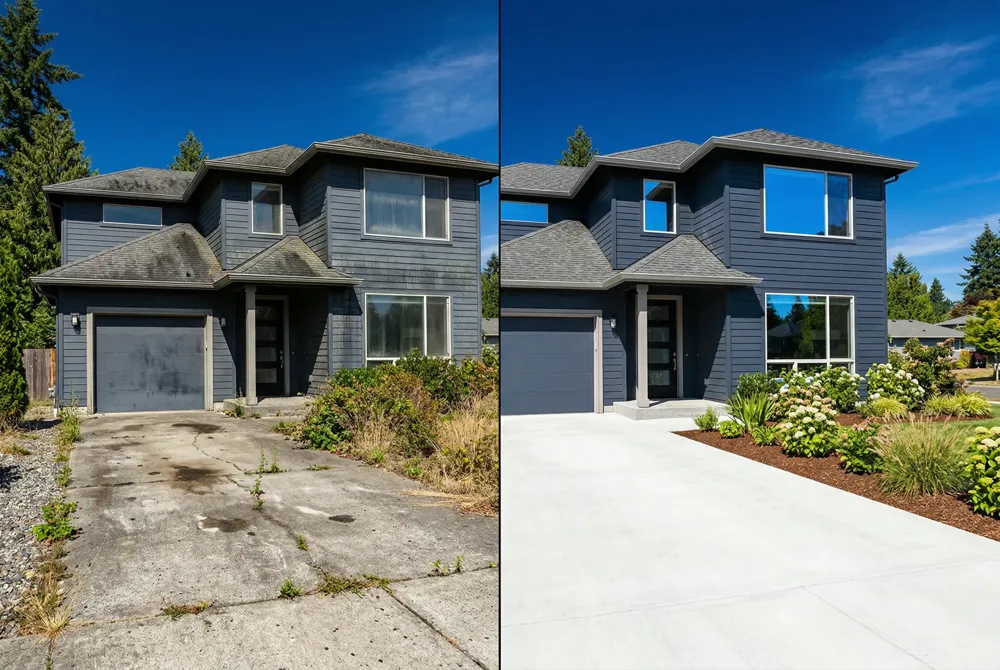
When washing a home with vinyl siding, start by clearing the area and protecting plants with tarps. Use a washer that delivers 1,500‑2,000 PSI (up to 2,500 PSI for stubborn grime) and attach a wide‑angle fan tip (25°‑40°) to keep pressure low enough for the soft vinyl. Apply an eco‑friendly detergent, let it dwell 5‑10 minutes, then rinse from a distance of 12‑18 inches, moving the wand in a steady top‑to‑bottom motion and avoiding spray directly into seams or joints.
For concrete driveways, patios, and walkways, a 0° (red) nozzle provides the concentrated jet needed to blast oil and rust, while a 15° (yellow) nozzle offers a slightly wider spray with still high pressure. The most efficient choice is a rotating turbo nozzle, which combines the power of a 0° tip with the broader coverage of a 25°‑40° fan, ideal for hard surfaces. Keep the nozzle 12‑18 inches from the concrete and move steadily to prevent gouging.
When cleaning a car, the safest option is a white 40° nozzle that delivers a gentle, wide fan, protecting paint from etching. Use a black 65° soap nozzle for applying detergent, and set the washer around 1,500 PSI. Avoid 0° or 15° tips, as their high‑pressure streams can chip or scratch automotive finishes.
Professional Workflow & Nozzle Maintenance
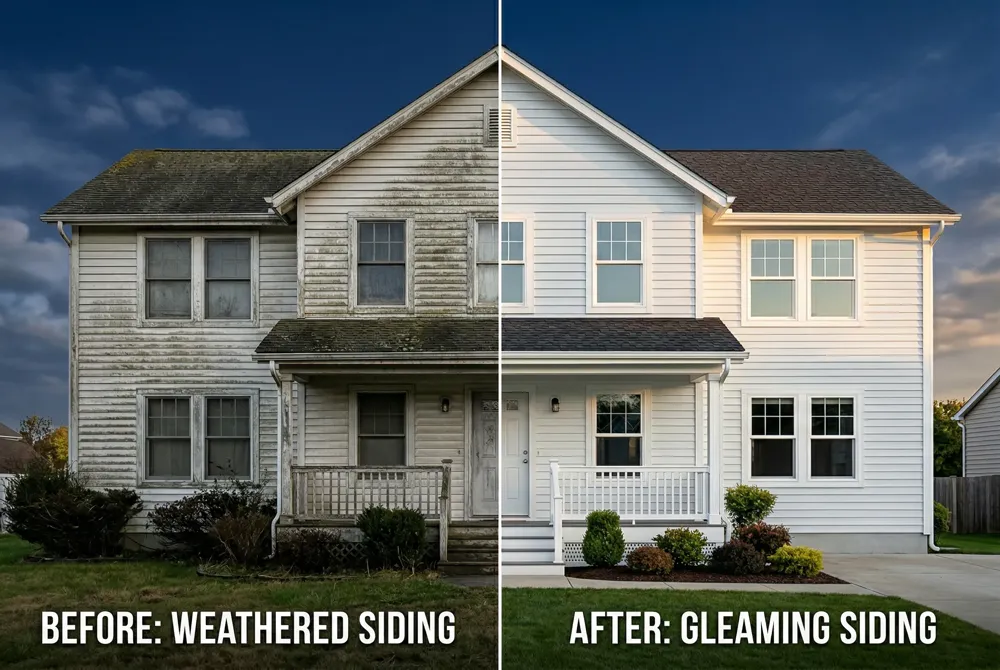
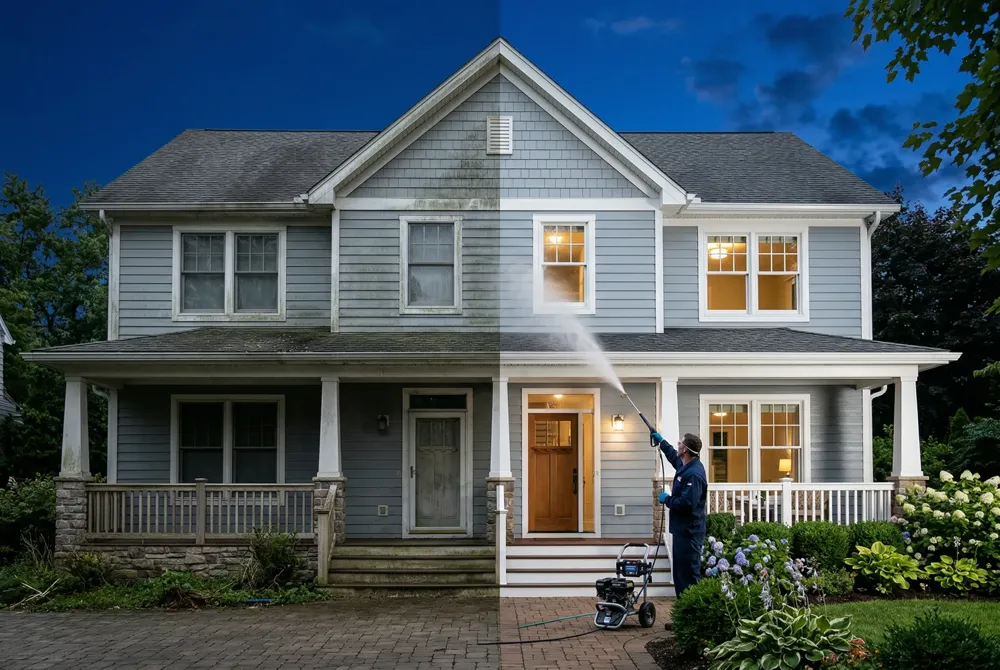
How to pressure wash professionally – Start by inspecting the surface for cracks or delicate areas, pre‑treat with detergent, select the proper nozzle and pressure (1,500‑2,500 PSI for siding, up to 3,000 PSI for concrete), maintain a 12–18‑inch distance, use consistent overlapping strokes, protect surroundings, rinse thoroughly, and finish with a sealant if desired.
How to unblock the nozzle? – Turn off the washer and release pressure, detach the wand, and examine the tip for debris. Use a thin needle, cleaning brush, or straightened paper‑clip to gently clear the opening, then soak the nozzle in warm soapy water (or vinegar for hard‑water scale) for 10‑15 minutes. Rinse, re‑attach, and test the spray. Regular flushing with a vinegar cleaner will prevent future clogs.
Putting It All Together for a Cleaner Goleta Home
Choosing the right nozzle for each surface is the foundation of safe, effective cleaning. In Goleta, the universal color‑code—red 0°, yellow 15°, green 25°, white 40°—lets homeowners match pressure to material: a 25° green tip for siding, a 40° white tip for painted wood, and a turbo tip only on brick or concrete. Pair the appropriate spray with biodegradable, low‑phosphate detergents; these eco‑friendly solutions break down algae and salt grime while protecting the Pacific shoreline. Finally, schedule a twice‑year professional wash each spring and fall, and perform a quick DIY rinse after storms. Consistent nozzle use, green chemistry, and regular upkeep keep exteriors vibrant, extend lifespan, and preserve curb appeal. This approach also boosts resale value and reduces repair costs.