


Understanding Vinyl Siding and Cleaning Needs
Vinyl siding is the most widely used exterior cladding in the United States because it is affordable, durable, and requires little upkeep. Made from polyvinyl chloride (PVC), it resists weathering but remains vulnerable to organic contaminants such as mold, algae, mildew, pollen, and grime that can seep into seams and trap moisture. These biological growths discolor the surface, accelerate fading, and can eventually cause rot or structural deterioration if left unchecked. Regular cleaning removes the contaminants, restores the original color and brightness, and prevents moisture‑related damage, thereby extending the siding’s lifespan and preserving curb appeal. Professional soft‑washing—low‑pressure water paired with biodegradable detergents and mild bleach—safely lifts and kills these organisms without cracking, warping, or stripping the vinyl. Maintaining a clean façade not only protects the manufacturer’s warranty but also enhances property value and homeowner satisfaction.
Why Soft Washing Beats Pressure Washing for Vinyl Siding
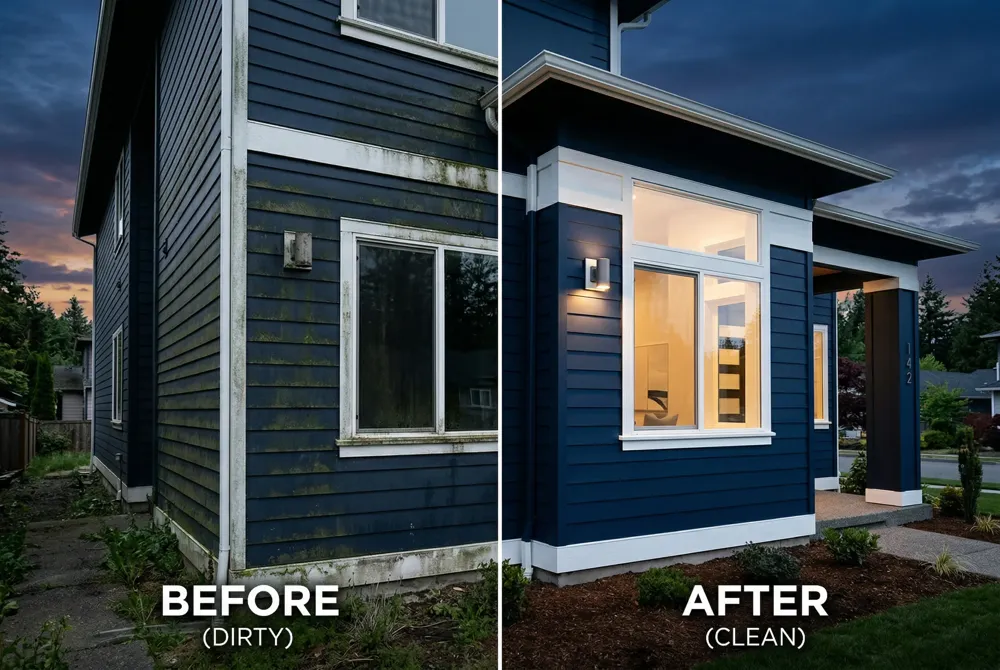
Vinyl siding (PVC) panels are designed to resist weather, but they are vulnerable to the force of high‑pressure streams. Pressure washing delivers 1,300‑3,000 PSI, which can crack, warp, or lift seams, and can force water behind the panels, leading to rot, mold, and structural damage. Soft washing, by contrast, uses low‑pressure water (typically 60‑150 PSI) combined with biodegradable surfactants, bleach, or oxalic acid that chemically break down algae, mold, and grime without abrasive impact. This gentle approach preserves seams, trims, and the protective coating, extending the siding’s lifespan and maintaining curb appeal.
Is it better to soft wash or pressure wash vinyl siding? Soft washing is generally the better choice for vinyl siding because it uses low‑pressure water and biodegradable solutions that dissolve contaminants without denting the panels or risking water intrusion.
Is 3000 PSI too much for siding? Yes—3,000 PSI far exceeds the safe range for residential siding and can cause cracking, dents, and water penetration. Professionals recommend staying below 1,500 PSI and using a wide‑angle nozzle at a safe distance.
Regular soft‑washing (once per year) reduces mold buildup, preserves paint, and can increase property value while complying with EPA‑approved, eco‑friendly practices.
Cost of a Professional Soft Wash
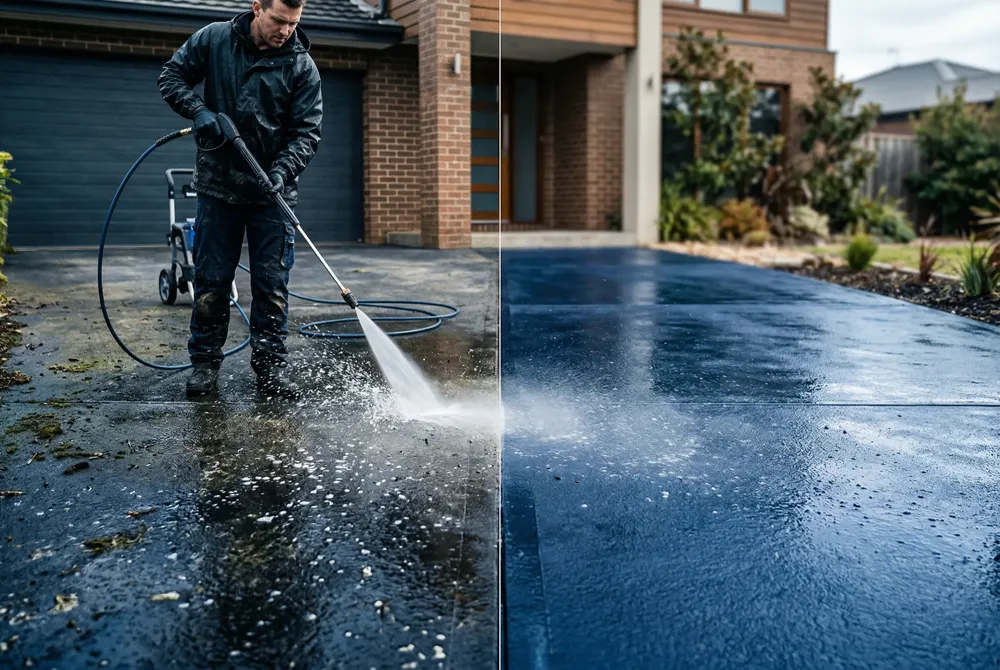
Typical price range for two‑story homes in Santa Barbara County is $450‑$850, with most jobs landing around $600‑$650. The final bill is influenced by square footage, siding material, any additional services (roof, gutter cleaning), the complexity of the job, and the hourly labor rate ($50‑$160) plus material fees. To get the most accurate estimate, request a free on‑site quote from a local soft‑wash specialist, ensure the provider assesses the siding condition, and verify that the quote includes pre‑ and post‑inspection, eco‑friendly detergents, and any necessary protective measures for landscaping and windows. This approach helps homeowners avoid hidden costs and ensures they receive a price tailored to their specific property.
DIY Soft‑Cleaning Vinyl Siding Safely
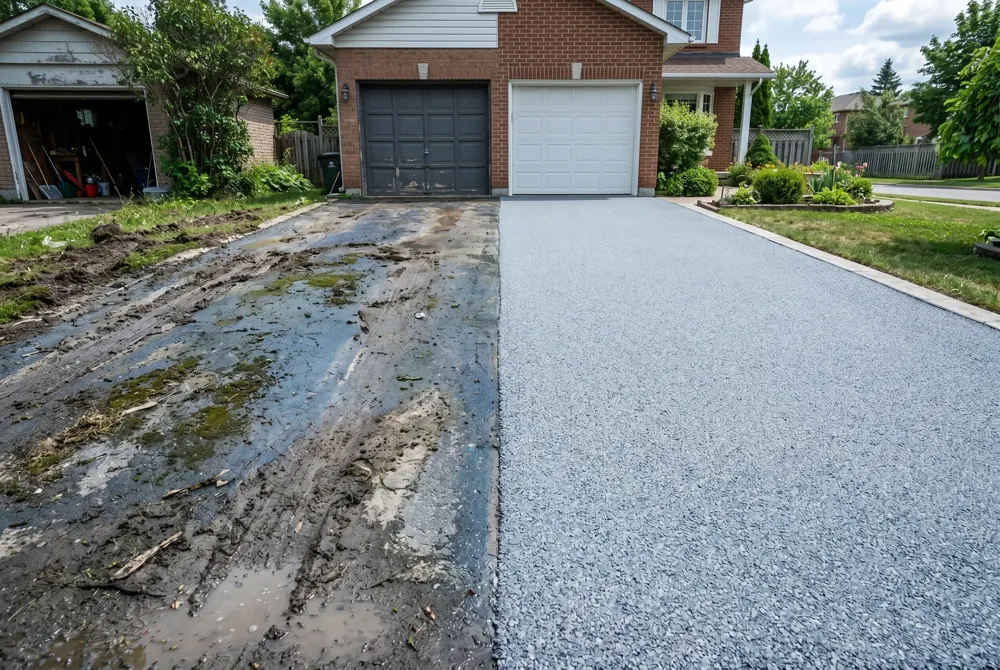
Vinyl siding owners can keep their exteriors bright without risking damage by following a soft‑wash routine.
Tools and protective gear needed – A garden‑sprayer or low‑pressure pump, a long‑handled soft‑bristle brush, a hose with a gentle spray nozzle, and personal protective equipment (gloves, goggles, long sleeves, and closed‑toe shoes).
Gentle cleaning mix recipes – Mix 1 cup of a biodegradable surfactant such as Simple Green Oxy‑Solve (or 30 % white vinegar) into a gallon of warm water. For tougher stains, a 1:10 dilution of household bleach (sodium hypochlorite) with a surfactant works well; always test a hidden spot first.
Step‑by‑step application and rinsing – 1) Rinse the siding with a hose to remove loose debris. 2) Apply the cleaning solution evenly in sections using the sprayer, allowing a 5‑10 minute dwell time so mold and algae break down. 3) Gently scrub each area with the soft‑bristle brush, using circular motions without excessive pressure. 4) Rinse from top to bottom with low‑pressure water, keeping the nozzle at least 12‑18 inches from the surface. 5) Inspect for remaining spots and repeat if necessary; let the siding air‑dry.
How do I soft‑clean vinyl siding? – Follow the steps above, using the recommended gear and mix; repeat annually or after severe weather.
Can I soft wash a house with a regular pressure washer? – Yes, but set the washer to low pressure (500‑600 PSI, never above 1,500 PSI) and attach a soft‑wash wand or nozzle. Apply a biodegradable cleaning solution, allow the proper dwell time, then rinse gently to protect the vinyl, roof, and gutters.
Key Chemicals and Their Roles
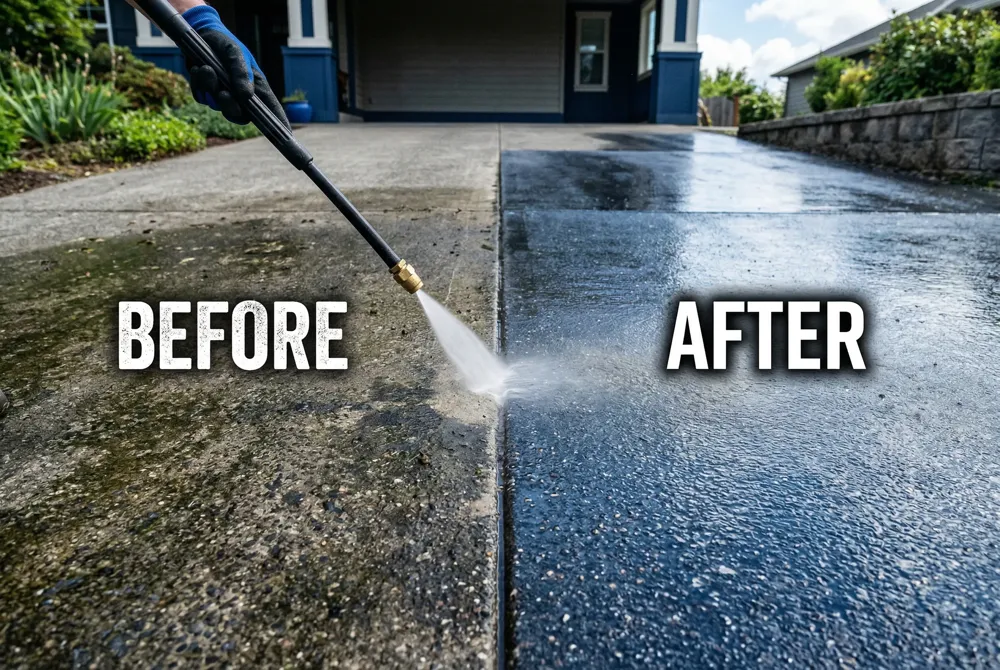
Soft washing relies on a carefully balanced chemical blend that safely removes organic growth while protecting vinyl siding. The cornerstone of the mix is sodium hypochlorite (bleach), typically a professional‑grade solution diluted to roughly 3 % (about 1:10 water) to act as a powerful biocide that kills mold, algae, mildew, and lichen. To ensure the bleach stays on vertical surfaces long enough to work, surfactants are added; they lower surface tension, allowing the solution to cling, lift dirt, and penetrate bio‑film without the need for high pressure. After the dwell period, a neutralizer—often a mild acid or alkaline rinse—neutralizes any residual bleach, protecting nearby plants, landscaping, and metal fixtures from chemical damage. Many technicians also include odor‑masking agents such as citrus‑scented additives to reduce the strong bleach smell, providing a more pleasant experience for homeowners. Together, these ingredients deliver an effective, eco‑friendly clean that extends the lifespan of vinyl siding and preserves curb appeal.
Environmental and Health Benefits of Soft Washing
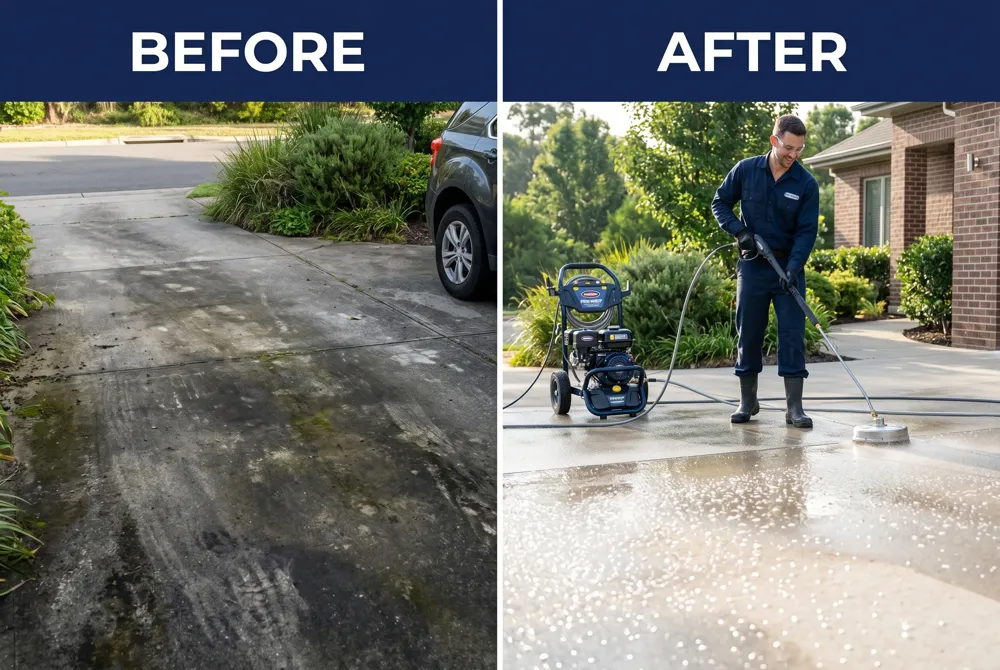
Soft washing uses dramatically less water than high‑pressure washing—often 70 % less—because the cleaning power comes from a biodegradable detergent rather than brute force. The solutions are EPA‑approved, phosphate‑free surfactants mixed with mild bleach or oxalic acid that break down organic growth while remaining safe for plants, pets, and nearby waterways. By killing mold, mildew, and algae at the source, soft washing removes allergens that can trigger asthma and other respiratory issues for occupants.
Is soft washing worth the money? Yes, soft washing is worth the money because it safely removes algae, mold, and mildew that can degrade siding and roofs, protecting your home’s exterior from costly damage. By keeping your roof clean, it reflects more sunlight and can lower cooling bills during hot Santa Barbara summers. The low‑pressure, biodegradable solution also preserves delicate surfaces and landscaping, avoiding the expensive repairs that high‑pressure washing can cause. Extending the lifespan of your siding and roof means you’ll postpone major replacements or repainting, delivering long‑term savings. Although the upfront cost is higher than a basic pressure wash, the combination of curb‑appeal boost, energy savings, and reduced maintenance expenses makes soft washing a smart investment for homeowners and businesses alike.
What Professionals Use for a Safe Soft Wash
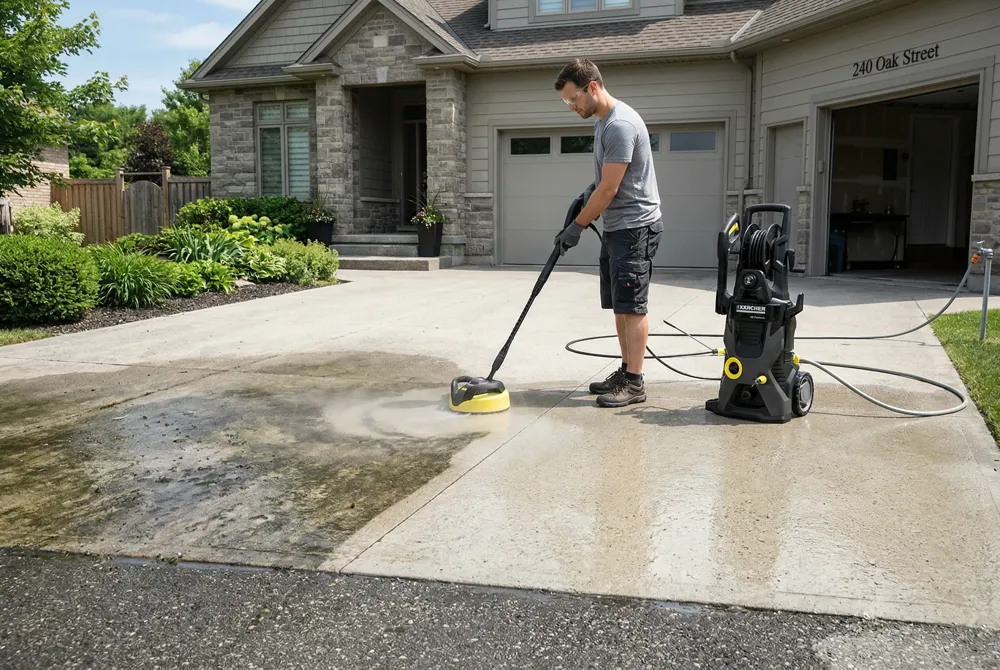
Professionals typically mix a diluted sodium‑hypochlorite (household bleach) solution with a specially formulated surfactant. The surfactant lowers surface tension, allowing the bleach to cling to vertical surfaces and penetrate mold, mildew, algae, and organic stains without the need for high‑pressure water. The blend is applied with a low‑pressure pump or soft‑wash sprayer equipped with a 60‑150 PSI nozzle, held 12‑18 inches from the siding to avoid warping or panel lift. After a 5‑10‑minute dwell, the surface is rinsed gently with the same low‑pressure stream. To protect landscaping, technicians often add a neutralizing agent—such as a diluted vinegar or biodegradable enzyme—to the rinse water and cover plants with tarps before application. This combination of biodegradable chemicals, low‑pressure equipment, and plant‑safety measures delivers a deep, long‑lasting clean while preserving the vinyl’s integrity and extending its service life.
Scheduling and Maintenance for Long‑Term Curb Appeal
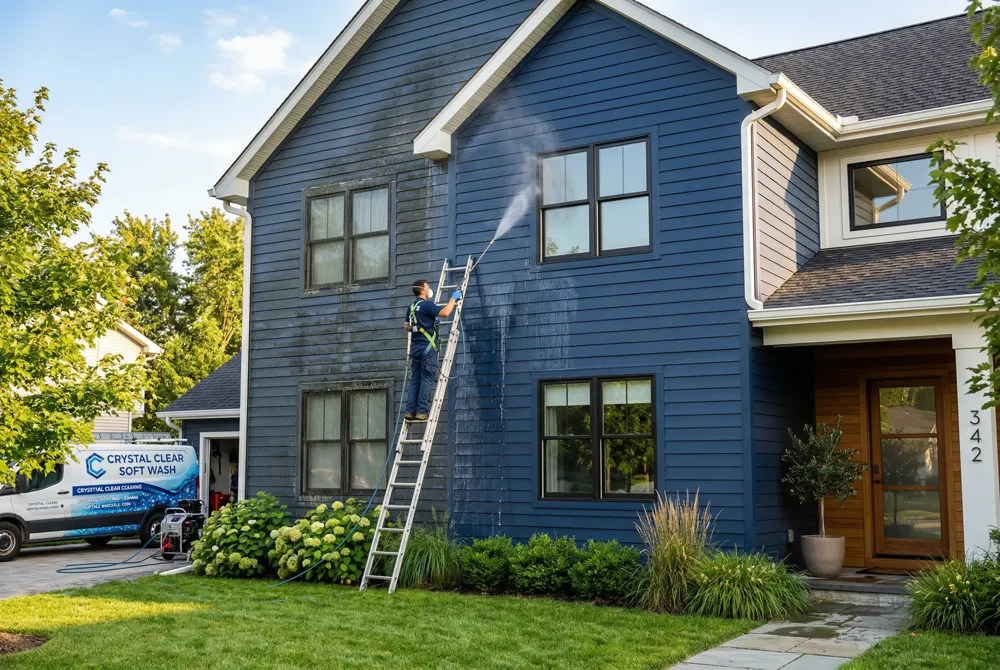
In Santa Barbara’s coastal climate, soft washing vinyl siding once a year – or every 12‑18 months after a heavy rainstorm – keeps mold, algae, and salt‑air residues from accumulating. Shaded walls, high humidity, and the occasional freeze‑thaw cycle (common in nearby inland areas) accelerate organic growth, so homes with north‑facing or heavily vegetated facades may need a second soft‑wash within two years. Pairing soft washing with gutter and window cleaning maximizes results: clean gutters prevent water overflow that feeds algae, while spotless windows showcase the restored siding color. A typical service sequence includes a pre‑rinse, targeted low‑pressure detergent applied with a biodegradable surfactant, a 5‑10‑minute dwell, and a gentle rinse, followed by gutter debris removal and window washing. This coordinated approach not only preserves the manufacturers warranty and extends siding lifespan but also sustains curb appeal and property value for the long term.
Keeping Your Vinyl Siding Beautiful for Years
Soft‑washing delivers a gentle, low‑pressure clean that lifts mold, algae, mildew and grime without warping or cracking vinyl panels. By using biodegradable surfactants and a diluted bleach or oxalic‑acid solution, the method kills spores at their source, leaving the siding’s protective coating intact and extending its lifespan by years. Homeowners who choose professional soft‑wash services benefit from technicians who know the exact pressure range (60‑150 psi), proper dilution ratios, and safe dwell times, ensuring no water is forced behind the panels. In Santa Barbara County, local firms such as Goleta Home Services follow EPA‑approved, low‑VOC formulas and water‑conservation guidelines, protecting nearby landscaping and complying with regional regulations. Ready to restore your home’s curb appeal and safeguard its value? Contact us today for a free on‑site estimate and let our trained, eco‑friendly team keep your vinyl siding looking brand‑new for the long haul.