By Goleta Pressure Washing · October 10, 2026
Pressure vs Power Washing for Homeowners: 1,500 PSI or Go Soft

Power washing uses heated water; pressure washing uses unheated water, and that one difference decides which tool fits your job. For routine cleaning like siding, decks, and driveways, pressure washing is the right call. For grease, oil, or heavy industrial grime, power washing or a professional hot-water service does the job better. The decision checklist below walks you through the rest.
TL;DR:
- Match pressure to material: concrete can take 1,500 to 3,000 psi, while decks need under 1,200 psi and roofs should never receive high pressure.
- Start with a nozzle of at least 25 degrees, wear eye protection and closed toe shoes, and test an inconspicuous patch before cleaning.
- Rent a gas washer for occasional weekend jobs, but buy one only for seasonal use; recurring commercial cleaning may justify ownership or outsourcing.
- Hire a specialist when work involves heated water, roofs, upper stories, or fragile materials, since burns, falls, coating damage, and runoff rules raise the risks.
- For algae and moss on roofs or siding, choose soft washing with cleaning solutions because high pressure can lift shingles and strip paint.
Table of Contents
- Pressure Washing vs Power Washing at a Glance
- How Does a Pressure Washer Work?
- When Should You Use a Pressure Washer?
- What Is Power Washing and Why Does Heat Matter?
- When Is a Power Washer (or a Pro) the Right Call?
- How to Choose: A Decision Checklist
- Our Take on Soft Washing for Coastal and Delicate Surfaces
- How to Keep Your Exterior Clean Longer
- Three Rules of Thumb Worth Remembering
- How We Can Help With Your Exterior Cleaning
- FAQ
- Sources
Pressure Washing vs Power Washing at a Glance
The core distinction between these two methods comes down to water temperature, and that single variable changes what each machine can clean well. Heat helps dissolve oils and break down grease, which is why power washers differ from pressure washers mainly in their ability to heat water rather than in the pressure they produce.
Homeowner electric pressure washers typically run 1,300 to 1,700 psi, while gas models commonly reach 2,000 to 2,800 psi, according to Consumer Reports testing. Concrete often needs 1,500 to 3,000 psi, while many household jobs only call for 1,200 to 1,500 psi.
- Siding and decks: lower pressure, often under 1,500 psi, to avoid stripping material.
- Concrete and driveways: higher pressure, up to 3,000 psi, for ground-in dirt.
- Grease, oil, or heavy grime: heated water, usually a job for a power washer or a pro.
- Roofs: skip high pressure entirely to protect shingles.
| Method | Water temp | Typical PSI | Best for |
|---|---|---|---|
| Electric pressure washer | Unheated | 1,300 to 1,700 psi | Patios, cars, light siding |
| Gas pressure washer | Unheated | 2,000 to 2,800 psi | Concrete, driveways, fences |
| Power washer (hot water) | Heated | Varies by model | Grease, oil, salt, industrial grime |
How Does a Pressure Washer Work?
A pressure washer pairs a pump with a motor or engine to force unheated water through a narrow nozzle, and that narrow opening is what turns ordinary tap water into a cleaning tool. Two numbers matter here: PSI measures the force behind the spray, and GPM (gallons per minute) measures how much water moves through the nozzle. Together they determine how fast and how aggressively a machine can strip away dirt.
Electric models tend to be quieter, lighter, and easier to maintain, which suits occasional homeowner use. Gas models deliver more power and typically clean faster, though they’re heavier, louder, and need more upkeep, including oil changes and fuel management, as CNET’s testing notes point out when comparing the two.
- Electric: lower maintenance, quieter, better for light jobs.
- Gas: more power, faster cleaning, more moving parts to maintain.
- Nozzle angle matters as much as PSI: a 0-degree tip concentrates force and can gouge wood or crack old mortar.
- Standing water injuries from misdirected jets are a documented risk, so CDC safety guidance recommends protective eyewear and closed-toe shoes at minimum.
Pro Tip: Start with the widest nozzle angle you have and work your way down only if the surface needs it.
When Should You Use a Pressure Washer?
Matching pressure to surface is the single habit that prevents most homeowner mistakes. A few starting points:
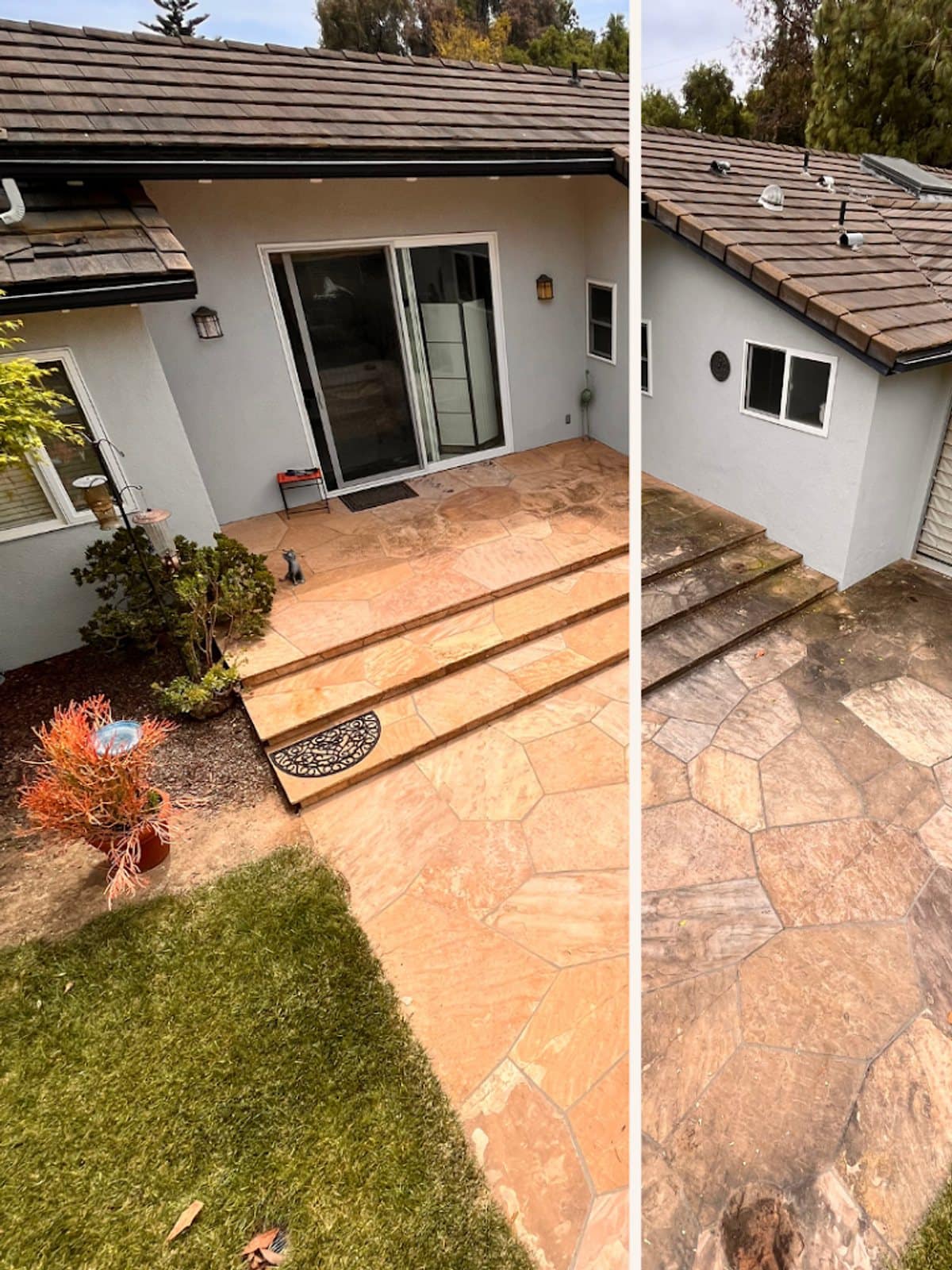
- Concrete and driveways: Start around 2,500 to 3,000 psi with a 15-degree nozzle, since this surface tolerates the most force.
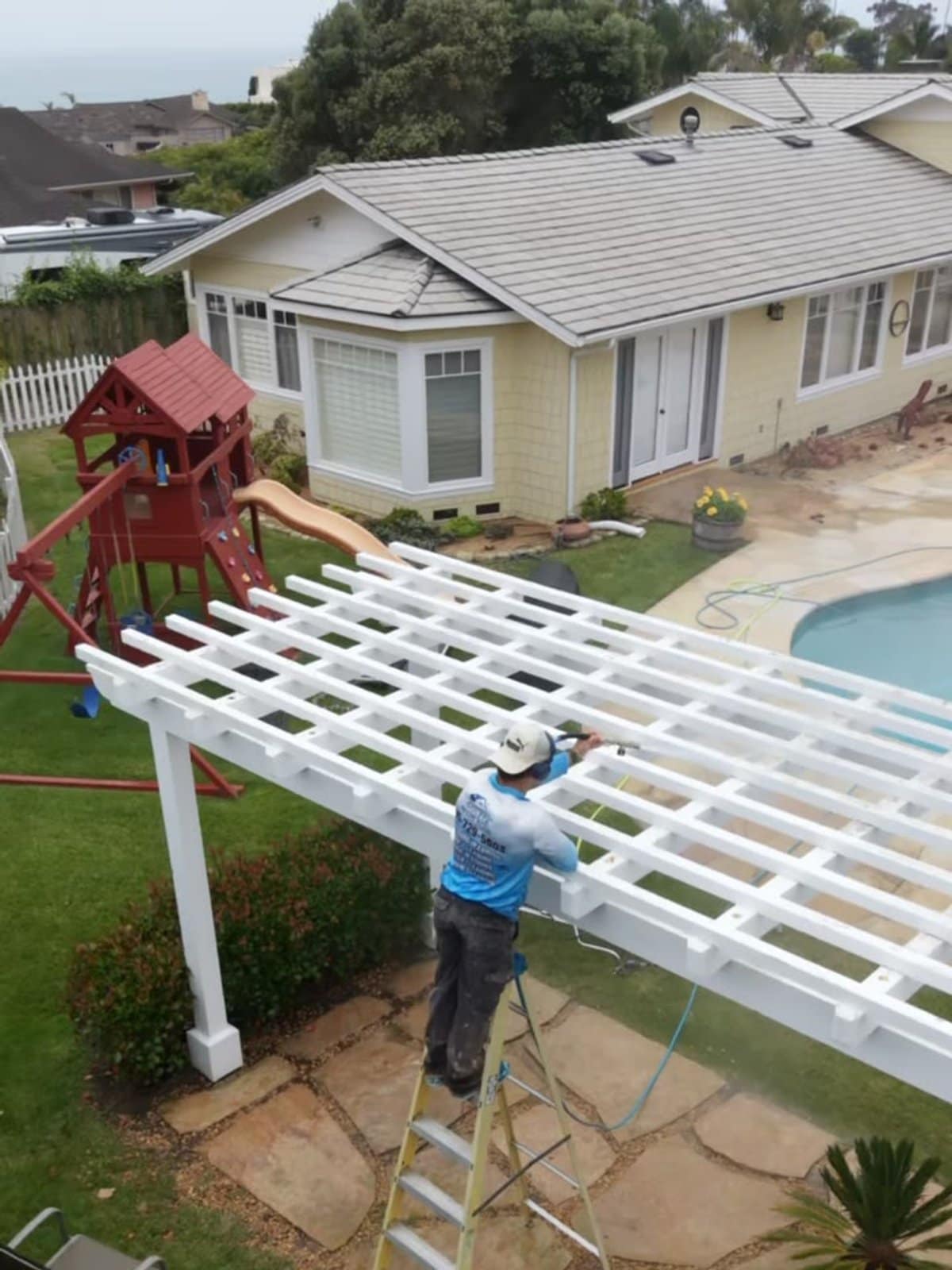
- Decks and wood fencing: Drop to low pressure, under 1,200 psi, and test an inconspicuous spot first before cleaning the full surface.
- Vinyl and fiber cement siding: Begin low and widen the nozzle angle, moving closer only if needed; aluminum siding dents easily, so extra caution applies there too.
- Roofs and cars: Avoid high pressure altogether. Shingles lift and strip under direct force, and car paint and trim can be damaged the same way.
What Is Power Washing and Why Does Heat Matter?
Power washing adds heat to the equation, and that heat reduces the surface tension of water, which helps it penetrate and dissolve oils, grease, and other stubborn residue that cold water struggles to budge. DOT technical research on hot-water pressure washing shows it can be more effective than unheated water for removing oil and salt contamination, particularly on surfaces like bridge decks that see heavy buildup over time.
That effectiveness comes with trade-offs. Heated-water machines are larger, cost more to buy or rent, and require more maintenance than standard pressure washers. The same DOT research notes that higher water temperatures raise the risk of damaging coatings or finishes if the operator isn’t calibrating temperature and pressure to the surface, and burn hazards become a real concern with hot output.
- Heat dissolves oil and grease more effectively than cold water alone.
- Hot-water units run larger, heavier, and pricier than typical homeowner electric or gas models.
- Burn risk and coating damage mean these machines call for trained handling.
When Is a Power Washer (or a Pro) the Right Call?
Heated water earns its keep in a specific set of situations, mostly ones involving contamination that cold water can’t fully break down.
- Grease and oil stains on garage floors, driveways, or commercial kitchen areas.
- Heavy industrial grime built up over months or years rather than weeks.
- Fleet vehicles or large commercial surfaces cleaned on a recurring schedule.
- Jobs requiring containment or runoff filtration, since hot water combined with grease and chemical residue raises environmental handling concerns that a simple garden-hose rinse doesn’t.
For many of these tasks, renting or operating the equipment yourself involves significant risks around burns, coating damage, and runoff compliance, so hiring a specialist is often a safer choice than a DIY approach.
How to Choose: A Decision Checklist
Work through these questions before you pick up a wand or make a call:
- What’s the surface? Concrete tolerates high pressure; wood, vinyl, and shingles do not.
- What’s the stain? Dirt and algae respond to cold water; grease and oil respond better to heat.
- What’s the access like? Roofs, upper-story siding, and steep grades raise fall risk and often justify hiring a pro.
- How often will you do this? A one-time patio clean might justify renting; recurring commercial work usually justifies owning or outsourcing.
Renting a gas pressure washer for a weekend job is often cheaper than buying one outright if you only clean once or twice a year. Buying makes more sense if you’re tackling driveways, fences, and patios every season. Hiring a pro makes sense whenever heat, height, or fragile materials are involved.
Before starting any job yourself, run through a quick safety pass: closed-toe shoes, eye protection, a nozzle no narrower than 25 degrees for first contact, and a test patch in an inconspicuous spot, following important tips from the homeowner’s guide to health and safety in cleaning.
Pro Tip: If you’re unsure which PSI to start at, begin at the lowest setting your machine offers and increase only if the surface isn’t responding.
Our Take on Soft Washing for Coastal and Delicate Surfaces
Algae and moss, common on coastal roofs and siding, don’t respond well to brute force. High pressure can lift shingles and strip paint without fully killing the organic growth underneath, which is why we rely on soft washing, a low-pressure method paired with specialized cleaning solutions, for these surfaces. You can read more about how soft washing works for coastal homes and how it compares to standard pressure washing on driveways.
Delicate or historic exteriors need this kind of care because once a high-pressure jet strips a shingle or cracks old stucco, that damage doesn’t reverse.
- Soft washing treats the cause (algae, moss) rather than just blasting away the surface symptom.
- Low pressure protects asphalt shingles, aging paint, and historic trim from the kind of damage Consumer Reports warns against on most roof types.
- We back our work with insured crews and a 100% satisfaction guarantee on every job.
How to Keep Your Exterior Clean Longer
A clean exterior doesn’t stay that way by accident, and a few habits after the job make the results last far longer than a one-time wash.
Trim back trees and shrubs that shade siding or roofing, since shaded, damp areas are where algae and moss take hold fastest. Keep gutters clear so water doesn’t overflow and streak down siding, creating new stains within weeks of a clean. Rinse outdoor surfaces lightly every month or two between full washes, which keeps dirt from building up into the kind of grime that needs aggressive pressure to remove later.
For siding and roofing in particular, a preventive soft-wash treatment applied periodically keeps algae spores from re-establishing, which stretches the time between full cleanings considerably. Concrete benefits from a sealant after cleaning, since sealed concrete resists oil stains and dirt penetration far better than bare material. Check downspouts and drainage paths after any storm, since standing water against a foundation or siding accelerates both staining and structural wear.
Small, consistent upkeep beats waiting until grime is heavy enough to need maximum pressure or heat to remove, and it protects the surface itself from the wear that aggressive cleaning can cause over repeated uses.

Three Rules of Thumb Worth Remembering

Pressure handles routine dirt. Heat handles grease. Fragile or high-up surfaces call for a pro. Those three lines cover most of the decisions homeowners face.
Beyond that: always test a hidden spot first, wear eye protection and closed-toe shoes, and if a job involves a roof, a second story, or a surface you can’t afford to damage, call someone who does this daily rather than risk it yourself.
— Grant K.
How We Can Help With Your Exterior Cleaning
When a job calls for more than a weekend rental, we handle the surfaces that are easiest to damage and hardest to get right. Our soft washing method removes algae and moss from roofs and siding without the stripping risk that comes with high pressure, and our house washing and pressure washing and concrete cleaning services cover everything from driveways to full exteriors.

If you’re in Santa Barbara County and want a quote, reach out through our services page and we’ll walk you through what your home needs.
FAQ
Is It Better to Pressure Wash or Power Wash a House?
For most house exteriors, pressure washing with the right nozzle and PSI handles dirt, pollen, and light grime effectively. Power washing’s heated water is better reserved for grease or oil stains rather than general siding, since the extra heat isn’t needed for routine cleaning and raises the risk of surface damage.
Which Is Better, a Pressure Washer or a Power Washer?
Neither is universally better since they serve different purposes: pressure washers use unheated water for everyday cleaning, while power washers use heated water for grease, oil, and heavy industrial grime. The right choice depends on what you’re cleaning and what’s causing the stain.
How Much Should I Charge to Pressure Wash a 2,000 Square Foot House?
Pricing varies by region, surface condition, and whether the job includes siding, driveways, or roofing. Our house washing service runs $250 to $500 per job, depending on the home’s size and condition.
Is 3,000 PSI Enough to Clean Concrete?
Yes, 3,000 psi sits at the high end of the recommended range for concrete, which typically runs 1,500 to 3,000 psi for driveways and patios. That pressure level handles ground-in dirt and stains well, though a 15-degree nozzle and steady technique still matter for even results.
Sources
- How to Choose a Pressure Washer - Consumer Reports
- Pressure washer safety — CDC
- The Difference Between Pressure and Power Washers Explained by Our Expert — Popular Mechanics
- Hot water pressure wash and HRCSA guidance — U.S. DOT technical report
Recommended
Ready for a quote?
Roof cleaning, house washing, and pressure washing across Goleta, Santa Barbara, Montecito & Summerland.
Get a fast quote →